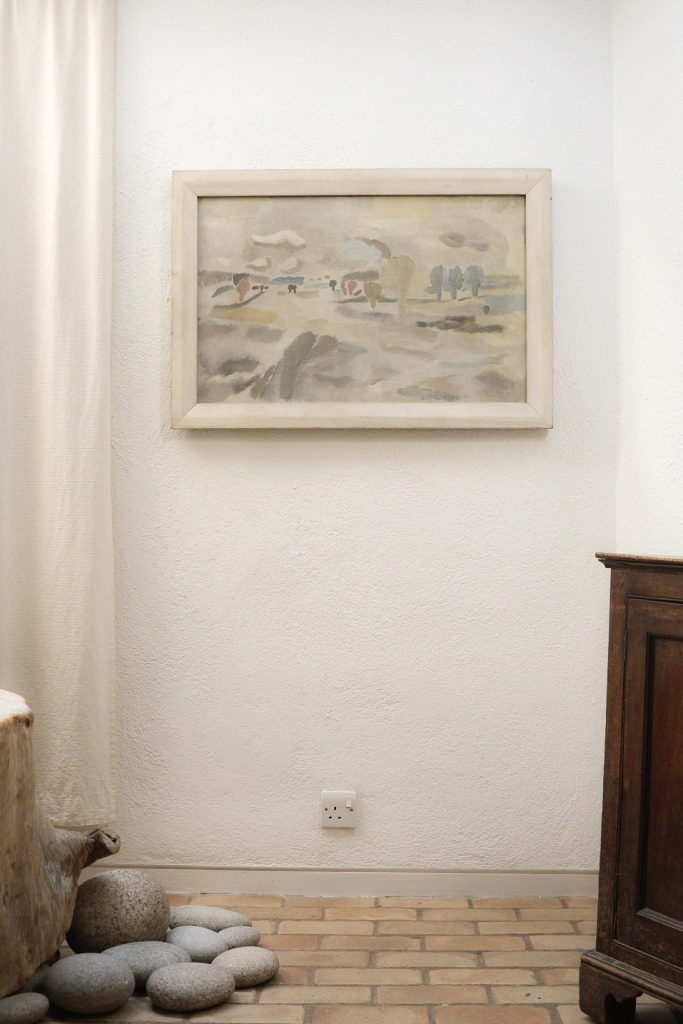
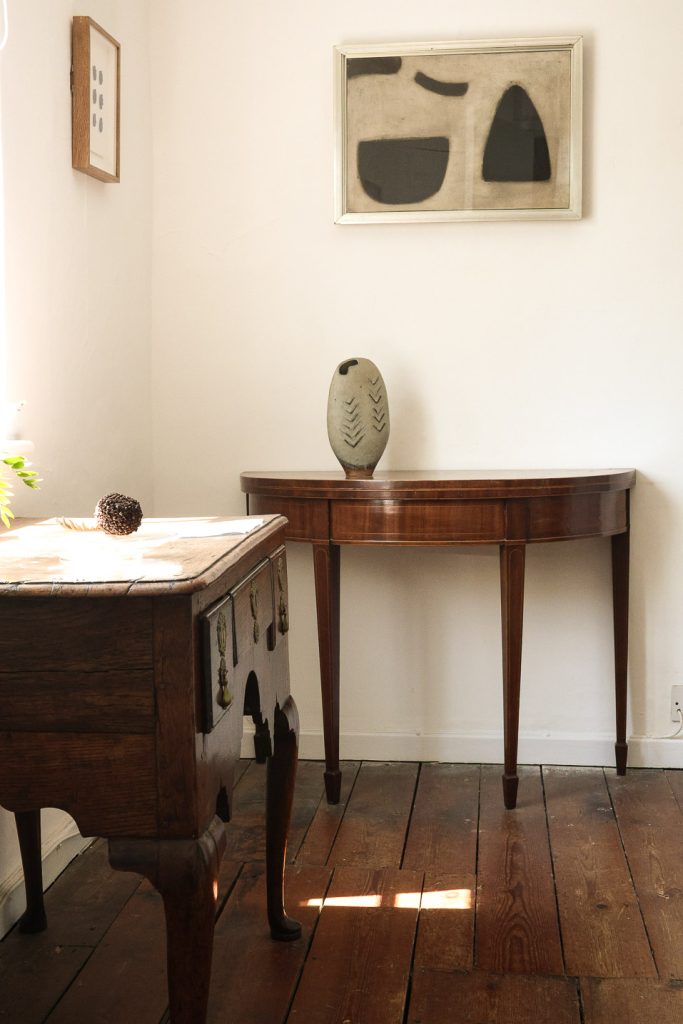
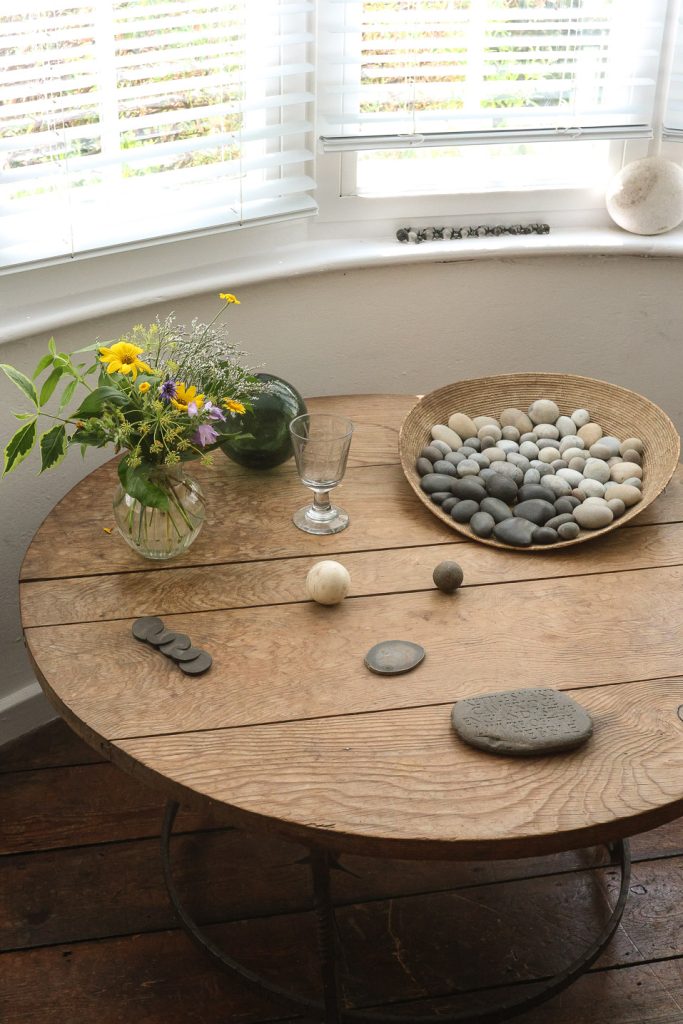
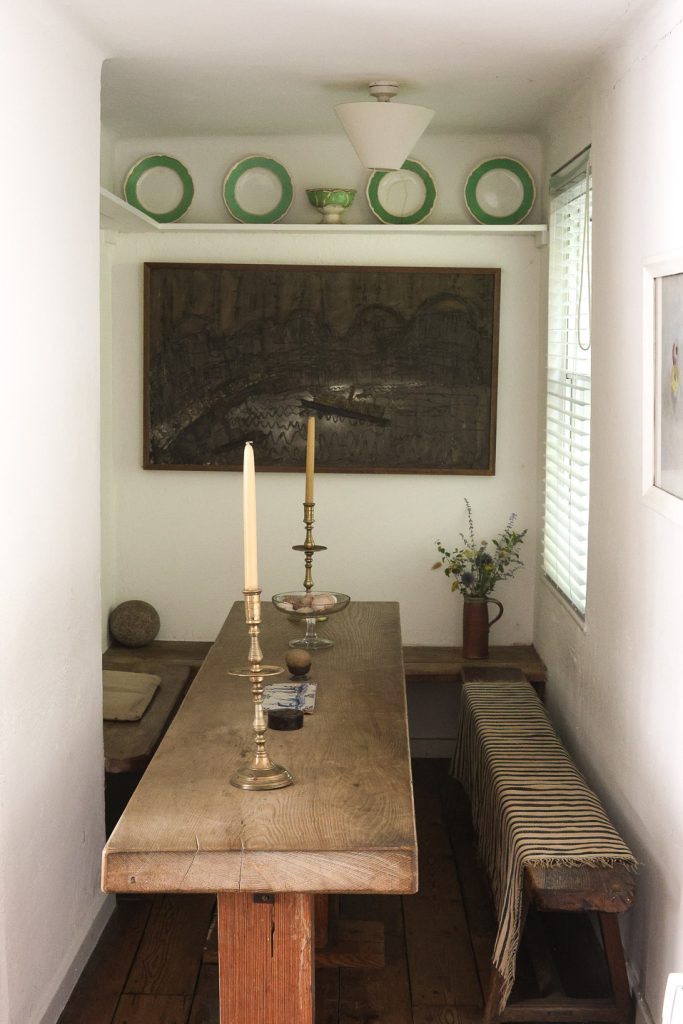
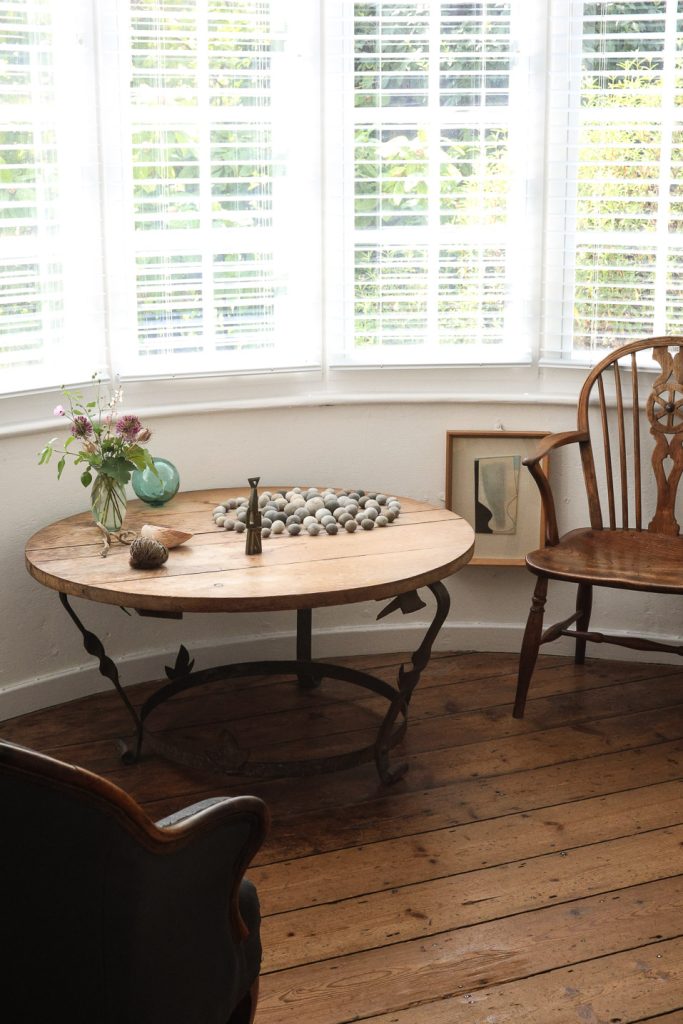
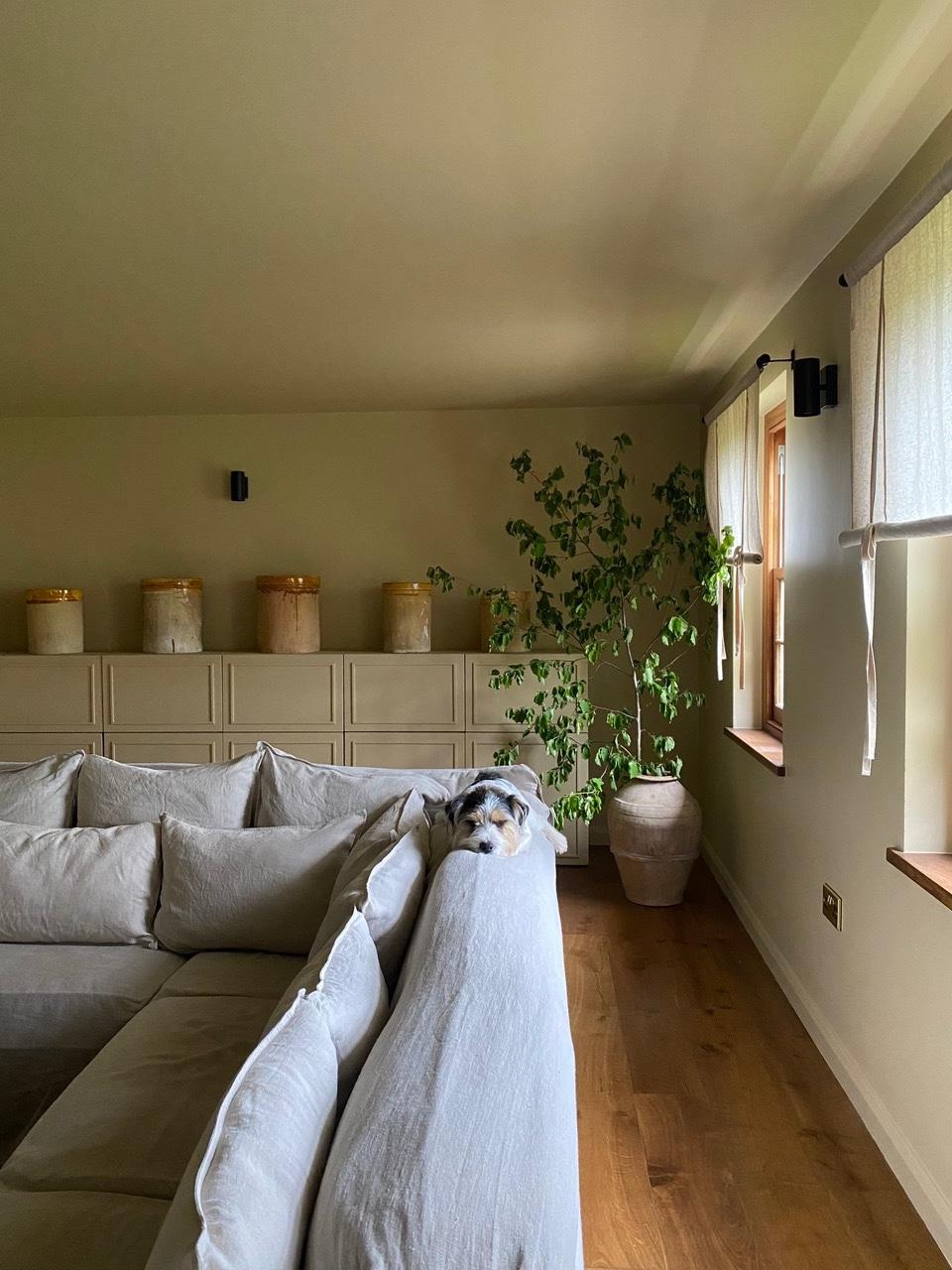
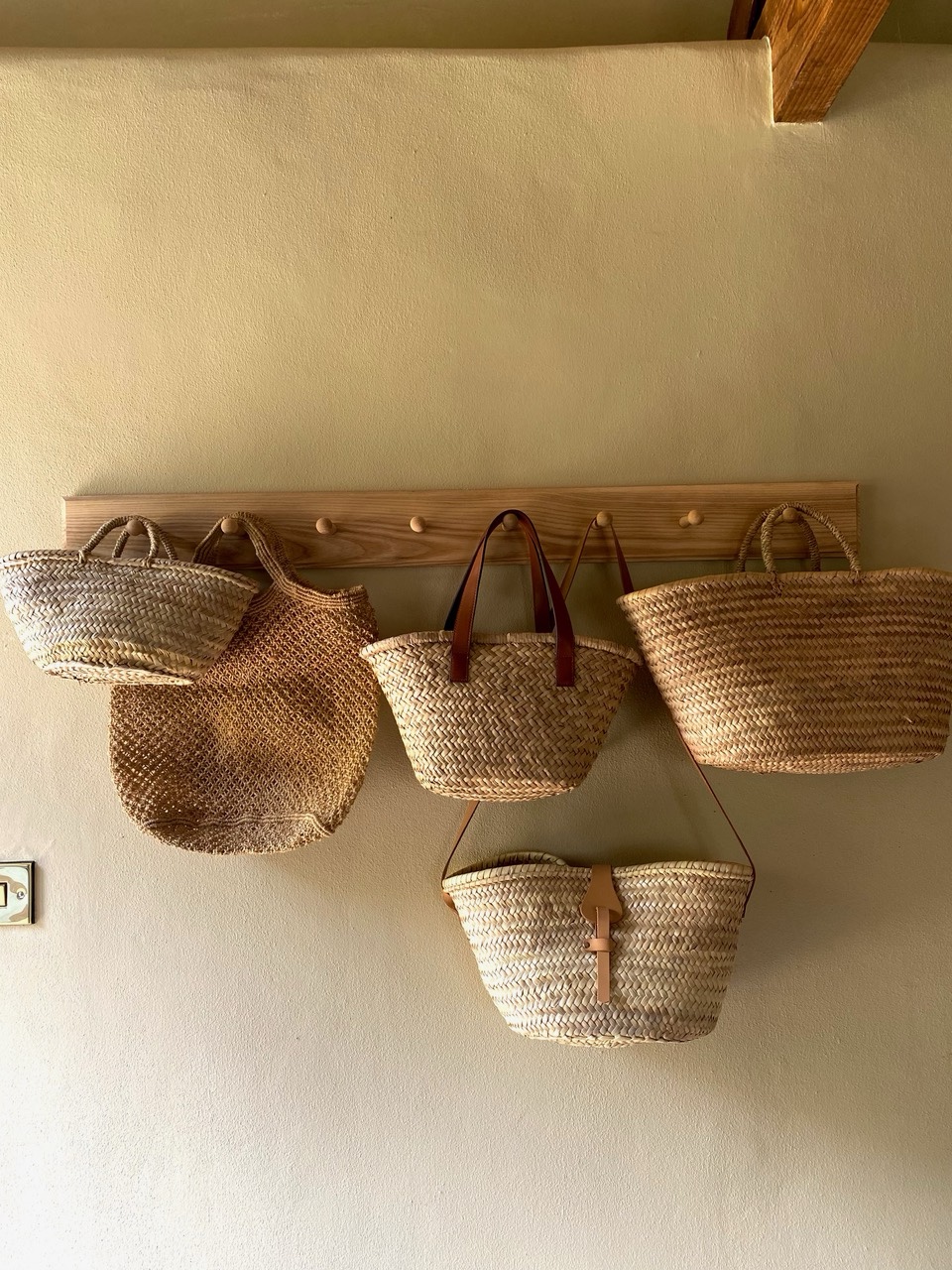
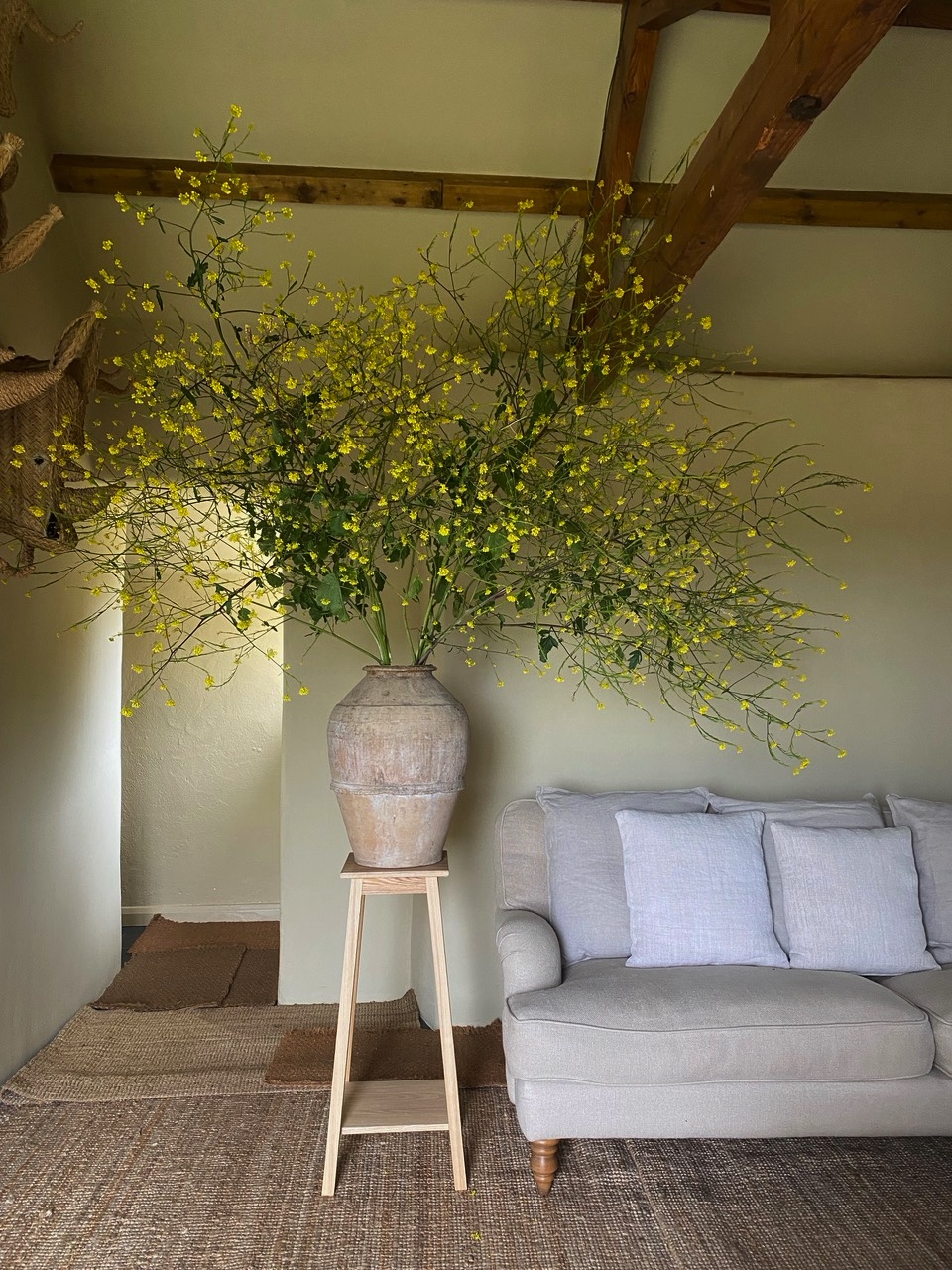
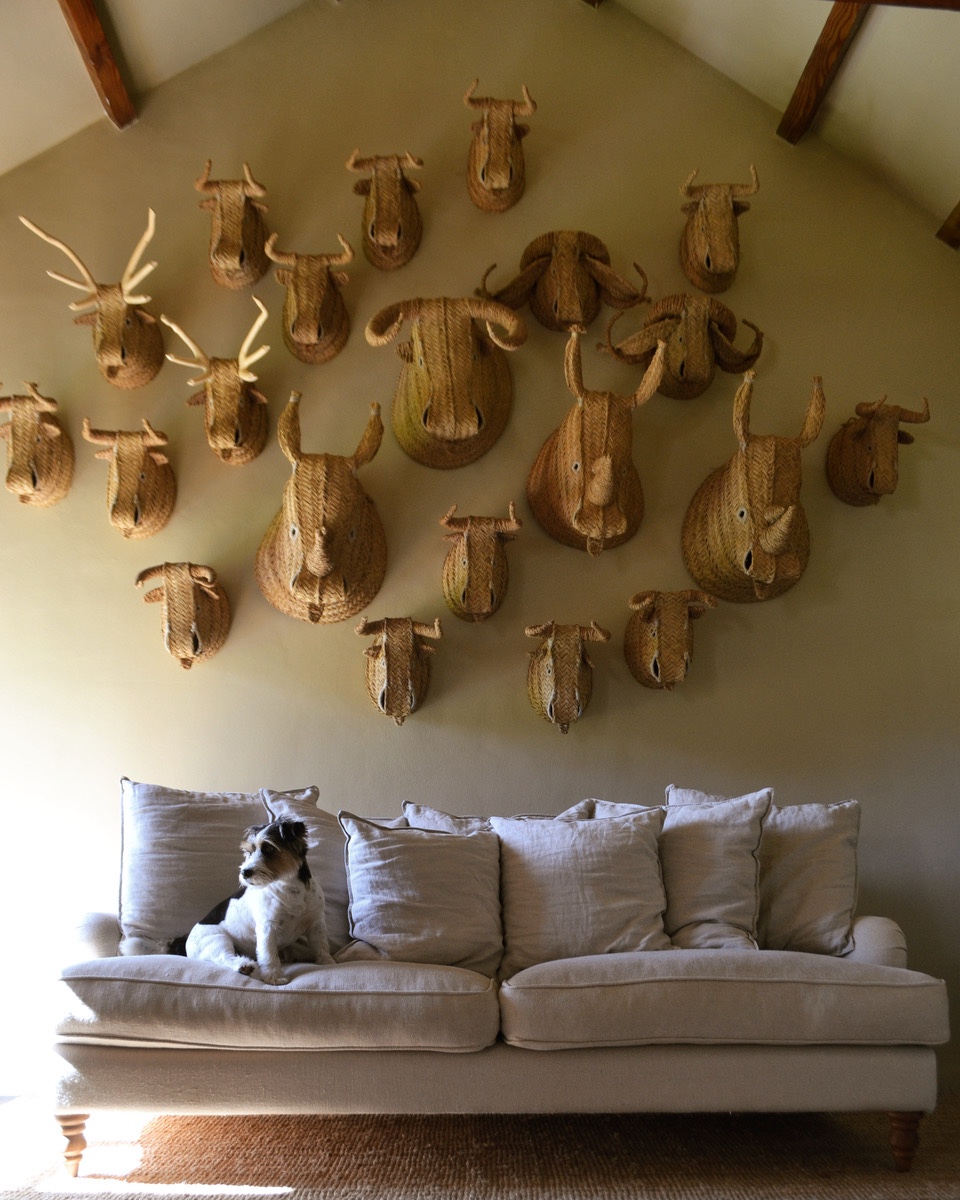
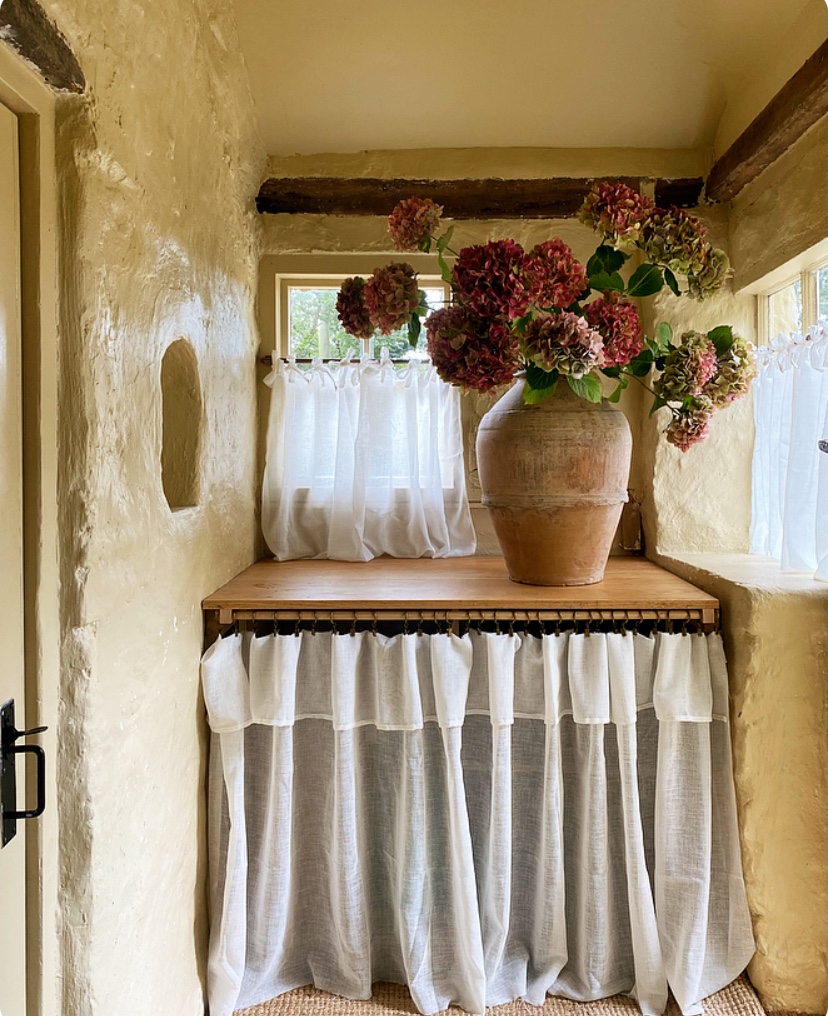
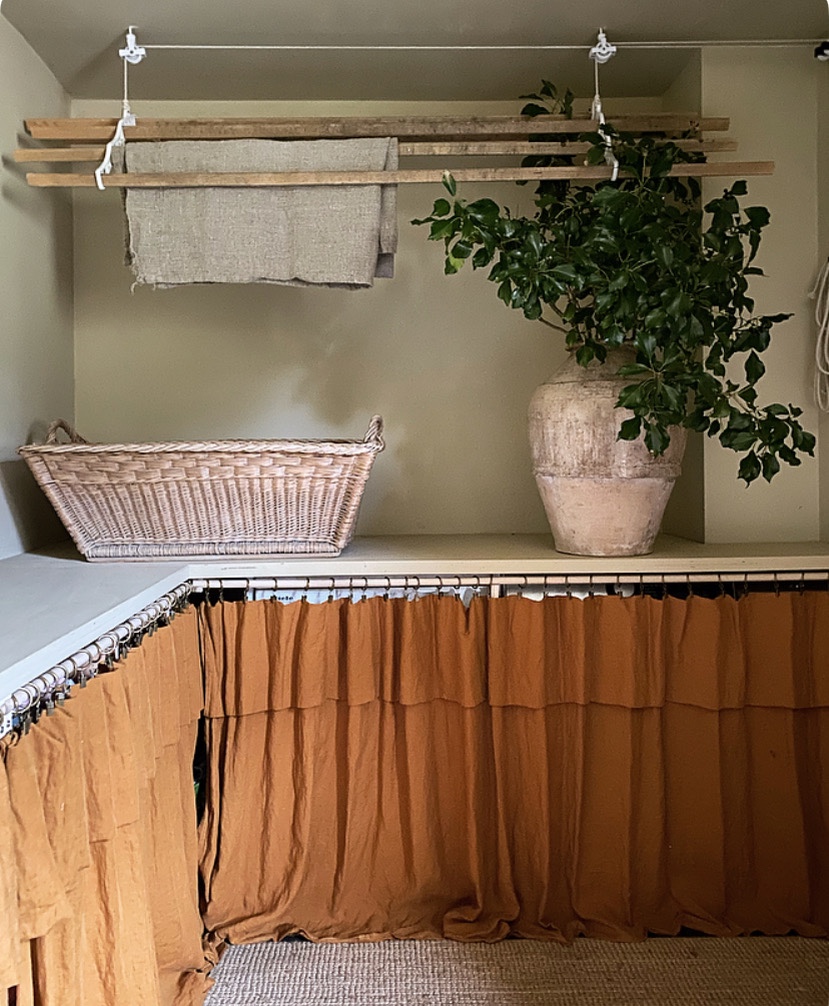
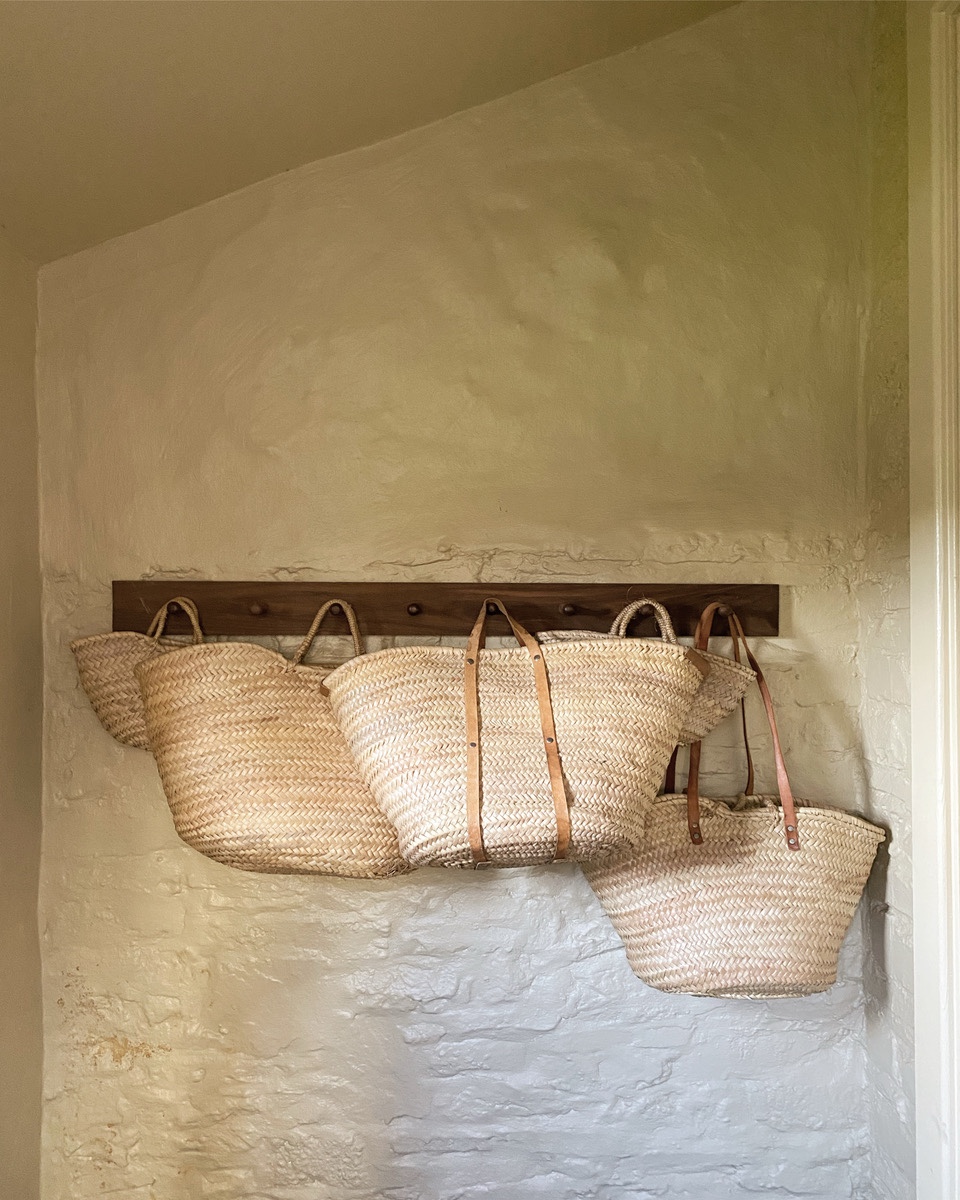
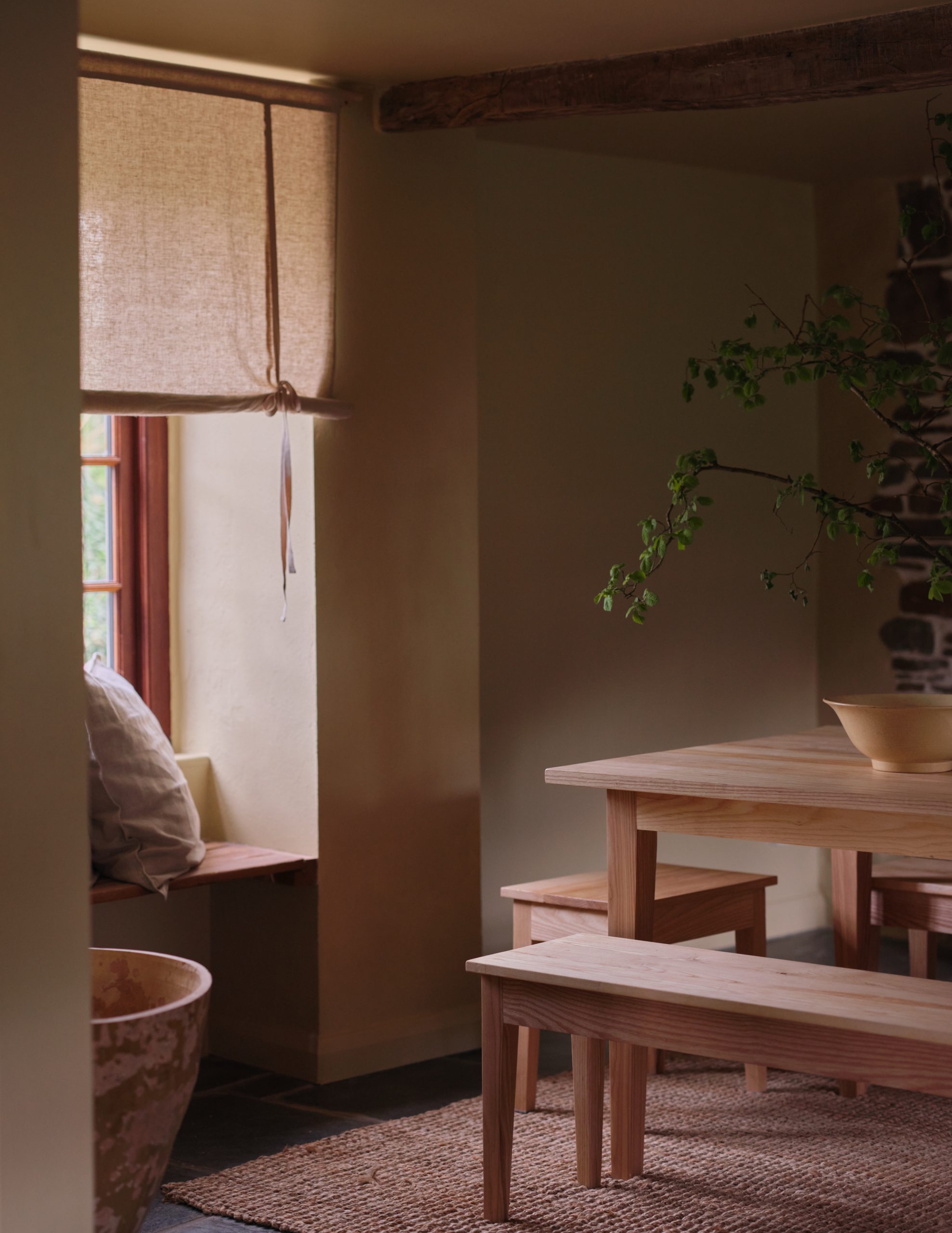
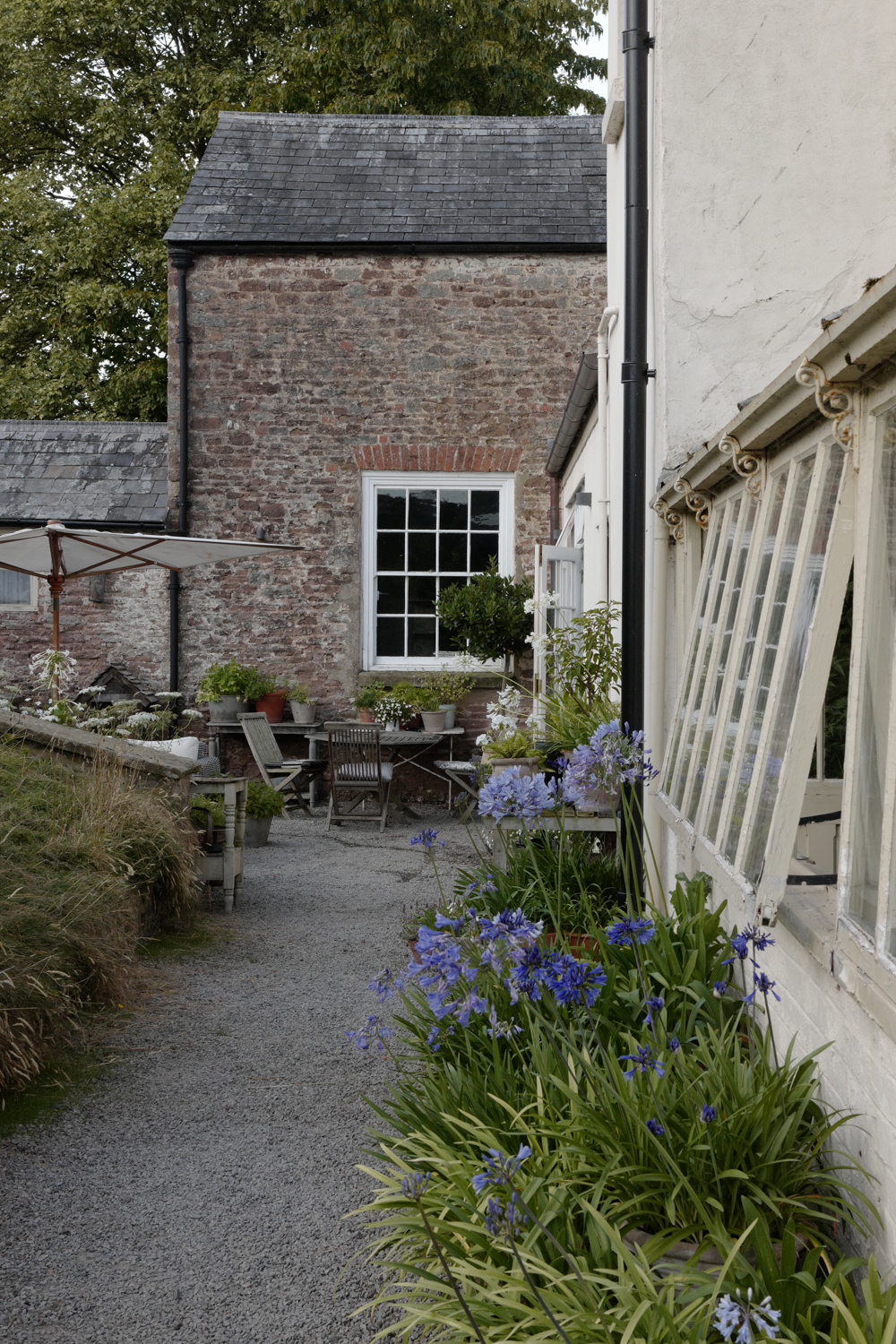
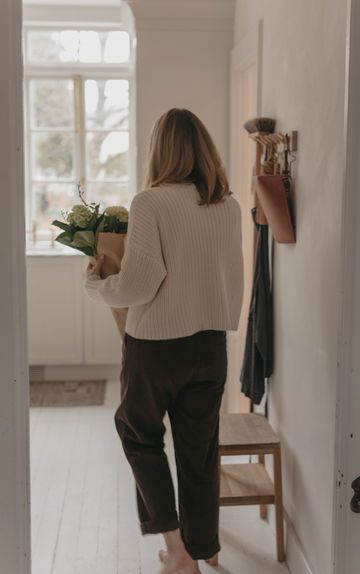
The Practice of Making a Home is an ongoing journal series exploring how to create a thoughtful and enduring home. Through a collection of seasonal chapters, I share reflections from our own home as it evolves, exploring the choices, values and quiet observations that influence the way we live. These chapters are an invitation to think more deeply about home, and the belief that the most meaningful homes are created slowly, with simplicity, character and care.
For as long as I can remember, I have been drawn to old houses. Not because they were grand, but because of how they felt. Time had softened their edges. Their walls held stories, and their rooms seemed to have grown gently around the many lives lived within them. They felt comforting, inviting and settled.
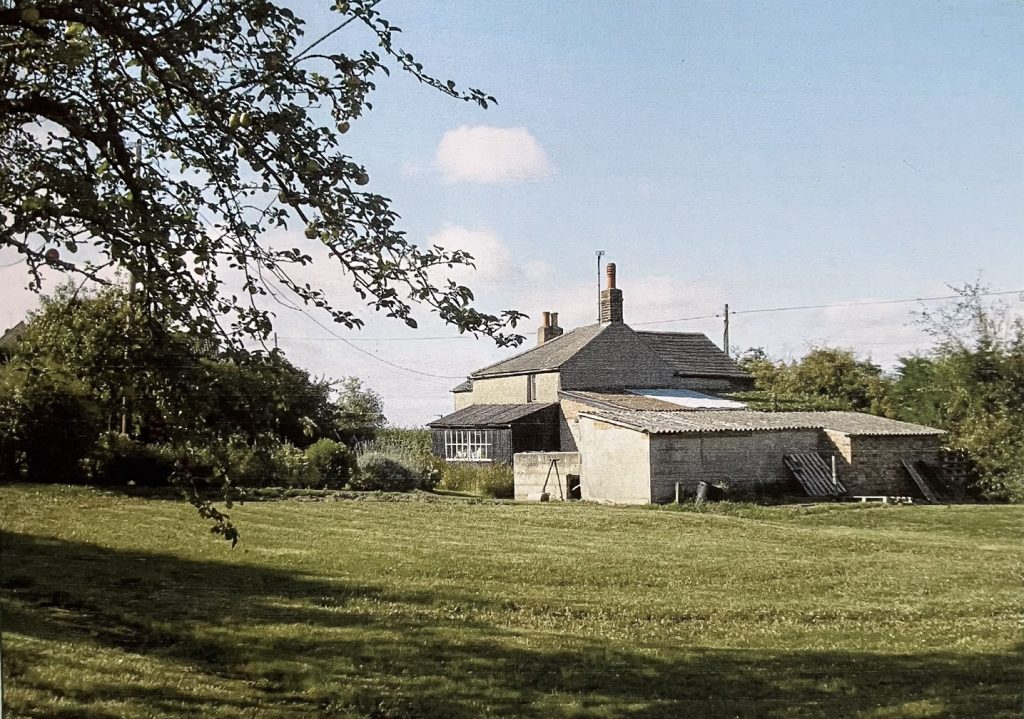
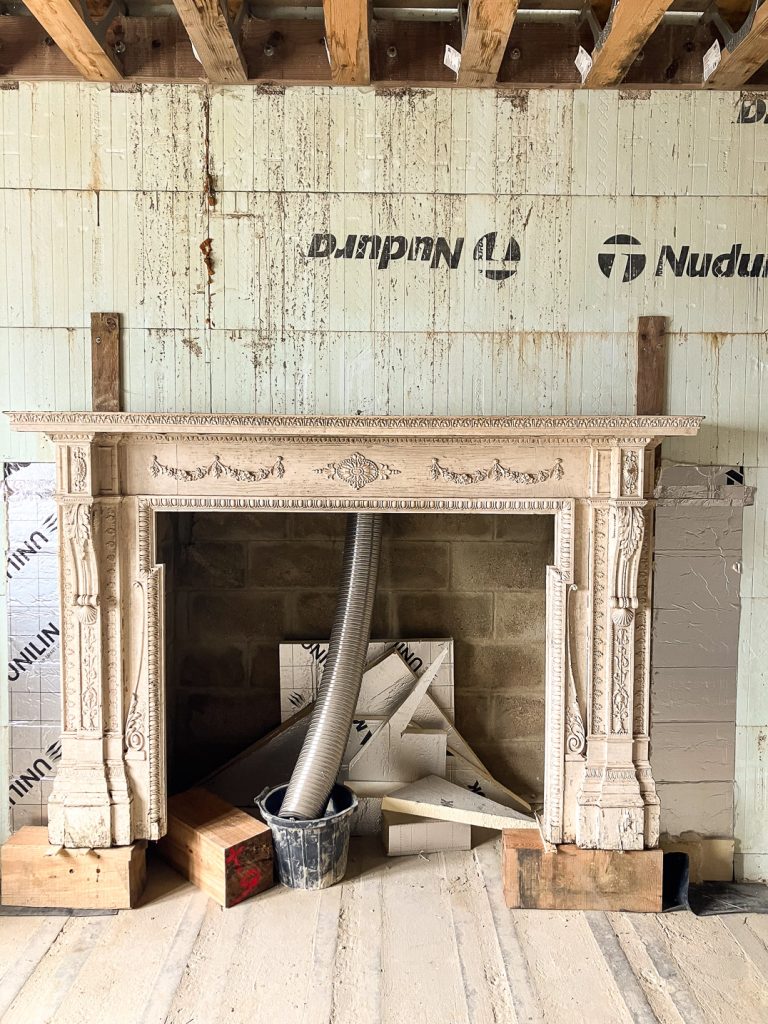
We bought a small eighteenth-century farm labourer’s cottage, surrounded by open countryside on the edge of the Cotswolds. It wasn’t the picture-perfect cottage people often imagine. It was tired and neglected, damp and cold, with no central heating, dry rot and buttresses supporting the walls.
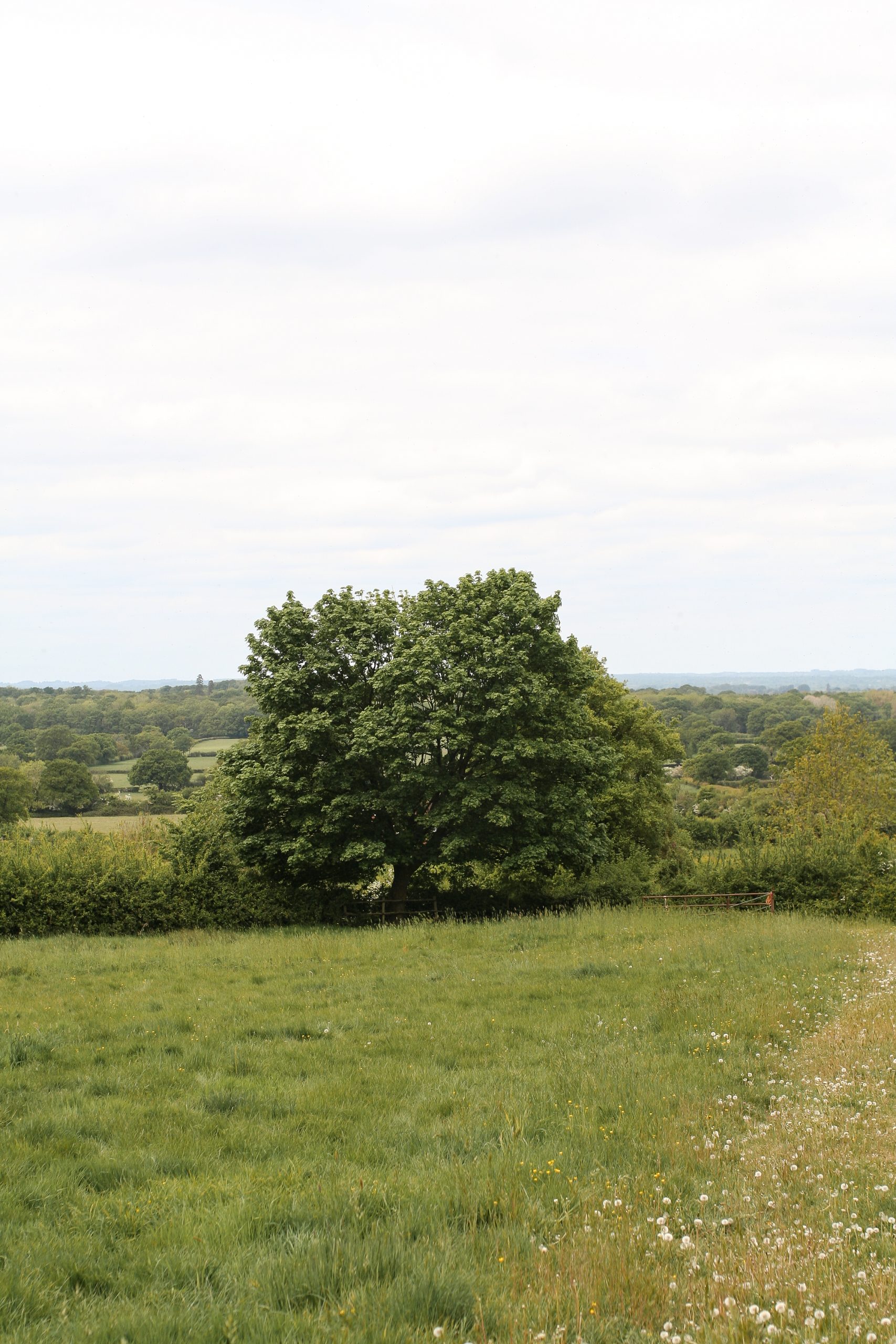
Yet the place itself felt right. Not because of the cottage, but because of everything around it. The fields stretching beyond the garden. The presence of the changing seasons. The quiet and the possibility of creating the kind of life we hoped our children would grow up in.
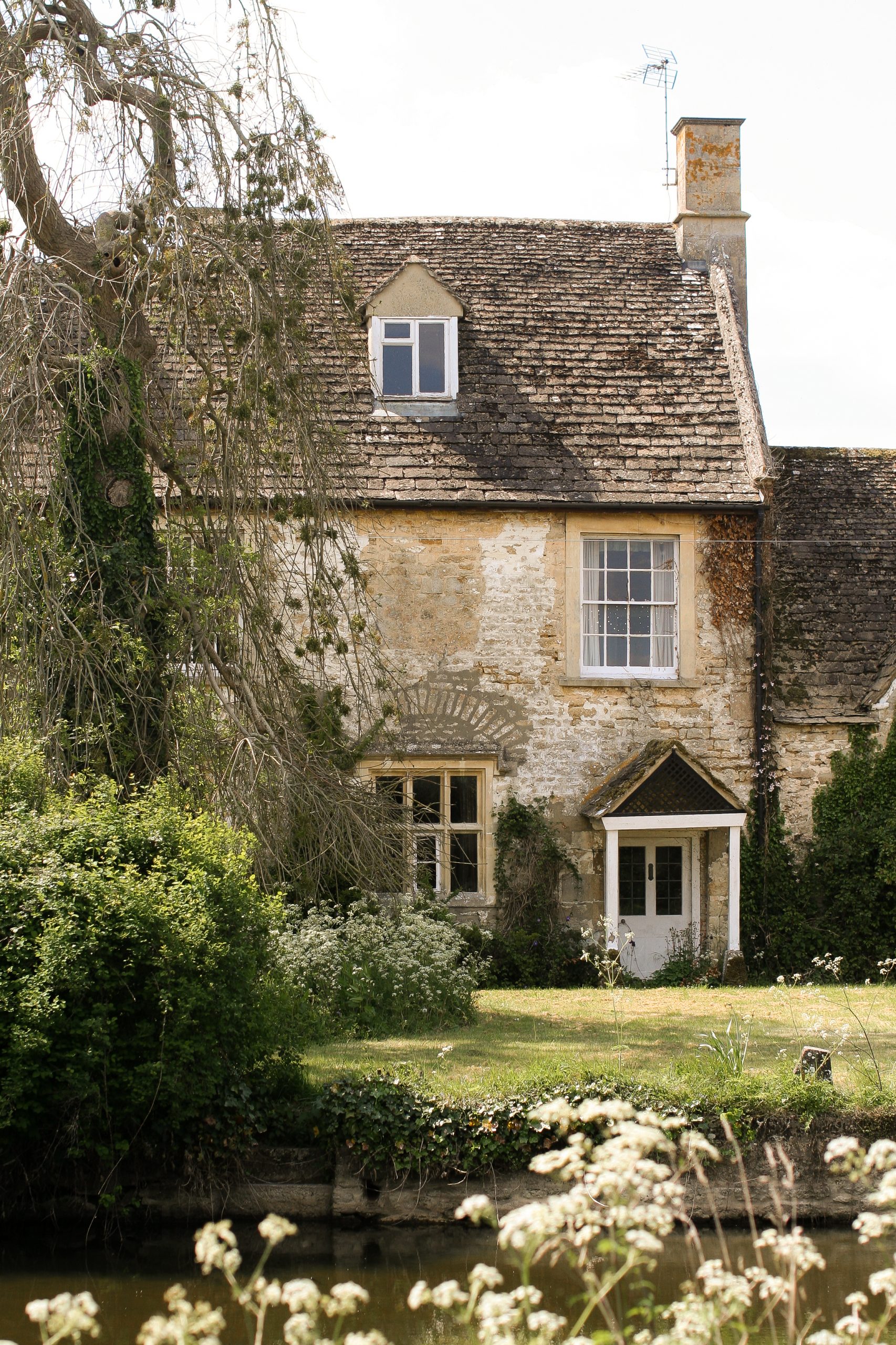
An old photograph from the sales particulars
Living here taught me something that has quietly shaped the way I think about home ever since. I still love old houses, and I know I always will. But I came to realise that the age of a house matters less than the way it feels and the life it makes possible.
The most beautiful homes are those that support and reflect the people who live within them. They bring us closer to nature, to one another, and to the quiet rhythms of everyday life. That belief guided our decision to remain here and slowly build a new home within the garden.
For someone who has always loved old houses, that decision felt unexpected. But building new never meant letting go of everything I admired about old homes. If anything, it made me pay even closer attention to them.
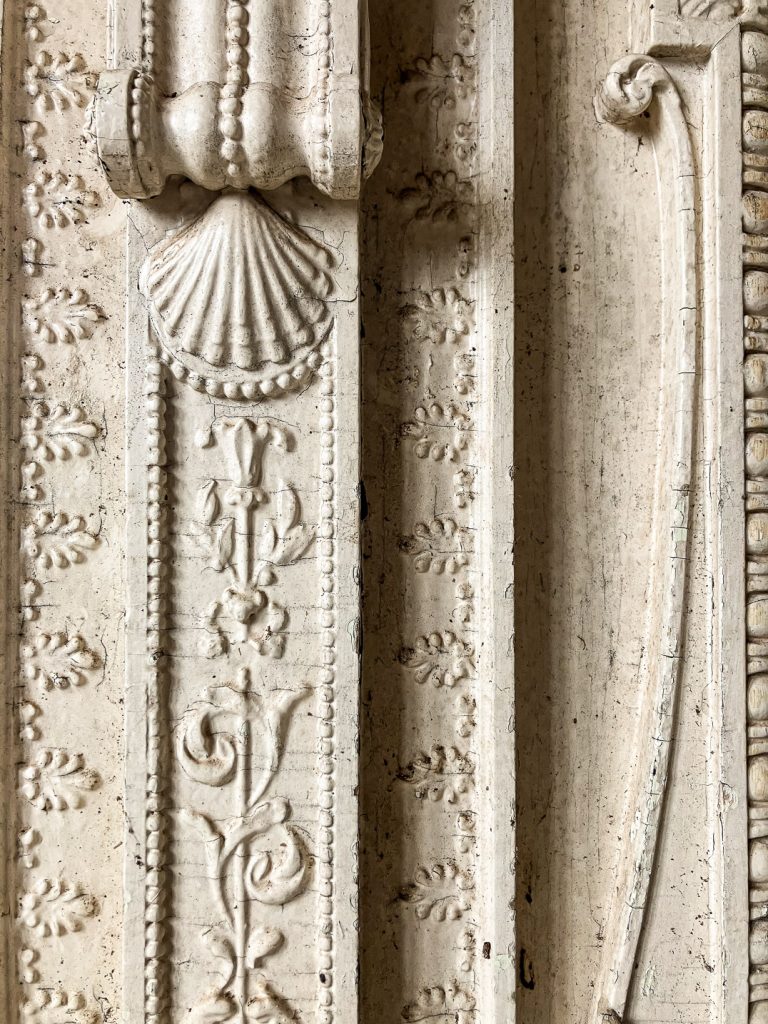
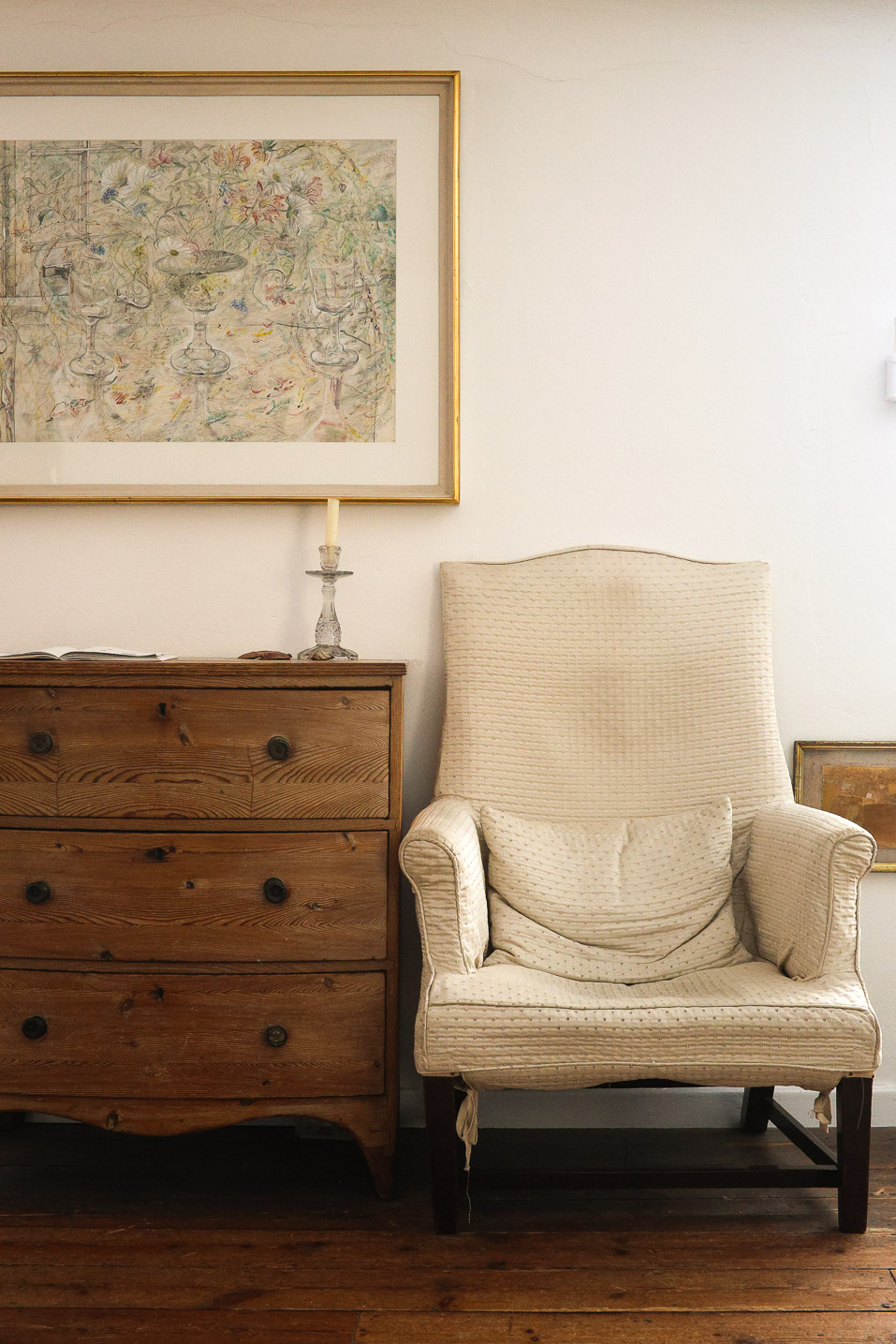
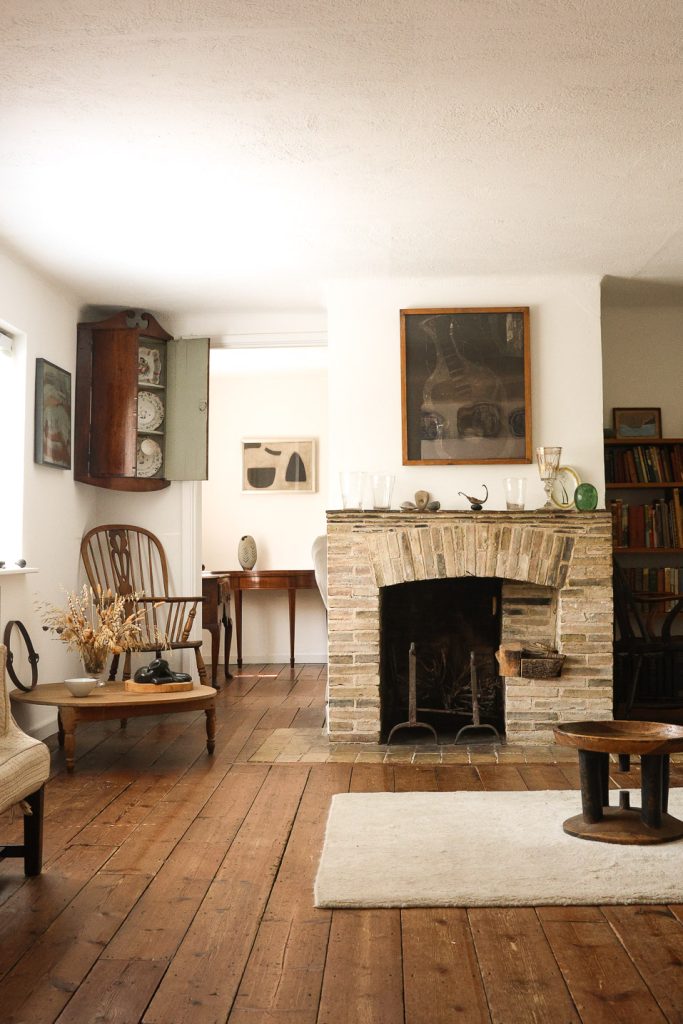
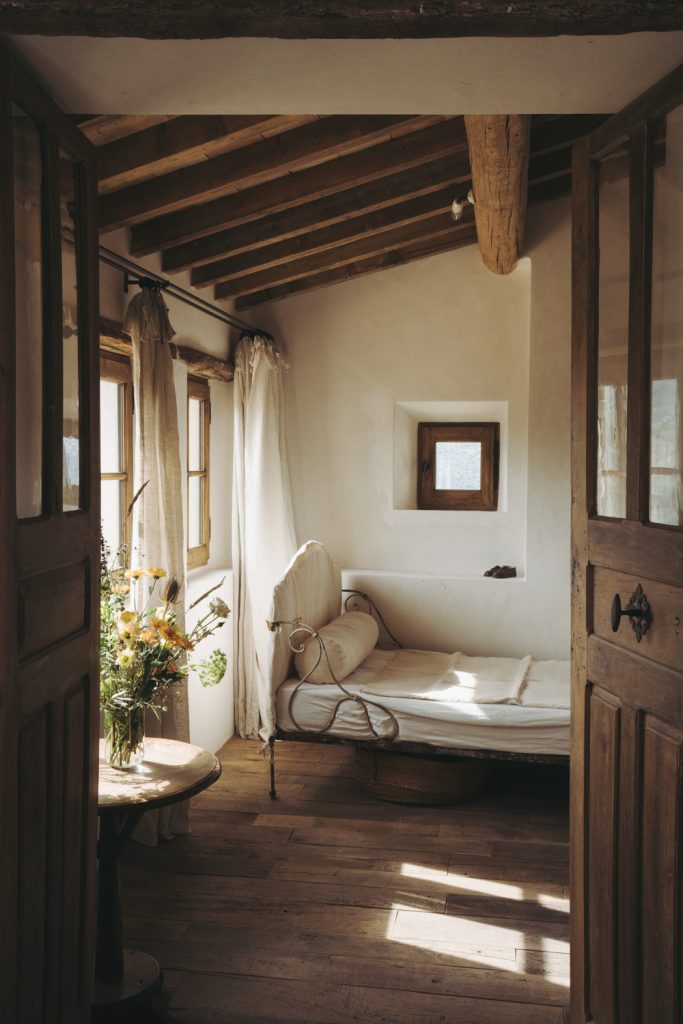
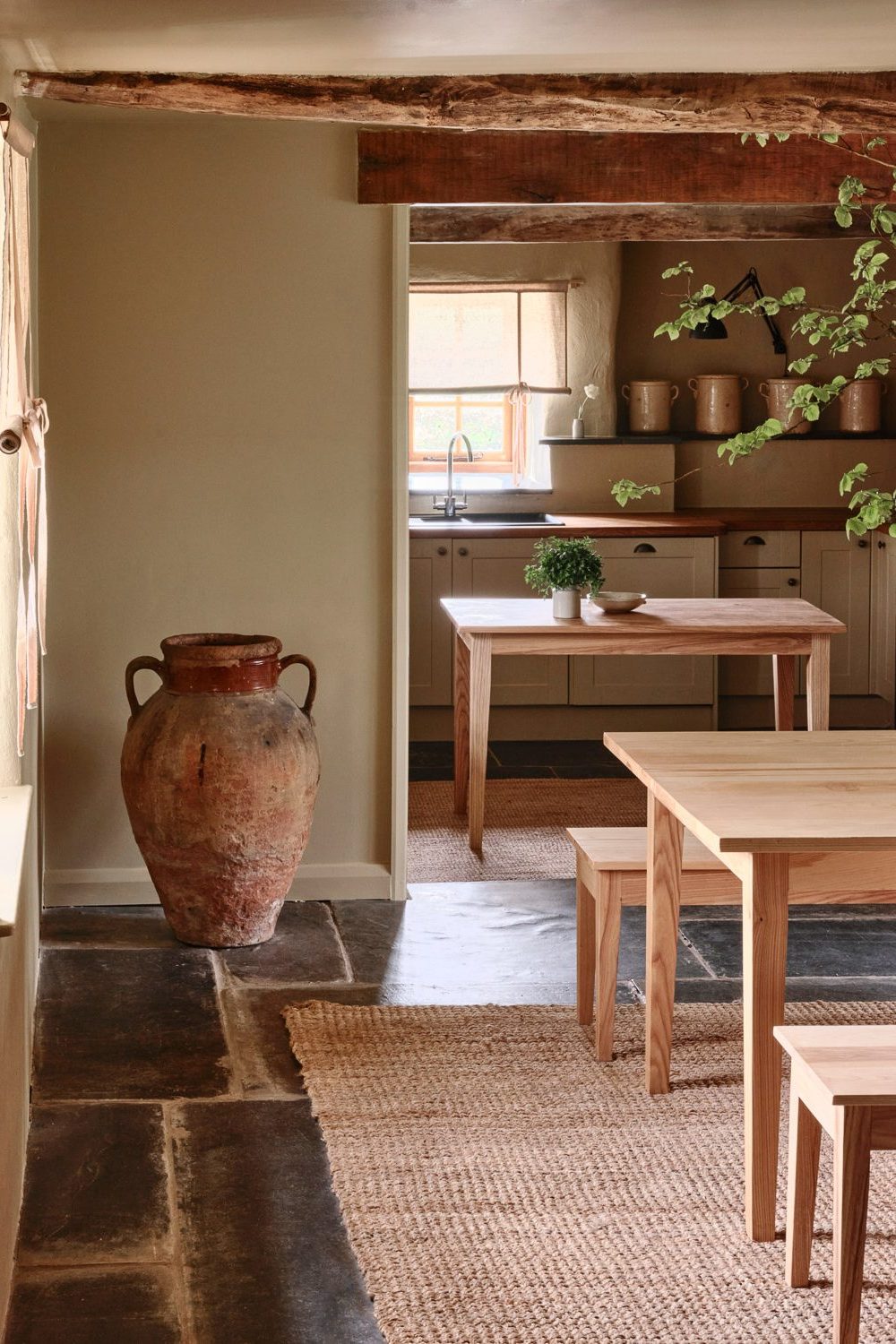
Our hope has been to create something that would function like a new house, while carrying the feeling of an old one. Not by recreating the past, but by considering the qualities that make older homes feel so settled and enduring; natural materials, simplicity, imperfection, character, warmth and a sense that a home has evolved over time.
Our home is rooted in its landscape; one that sits quietly within its surroundings, built with care, restraint and a respect for natural materials. A home that, over time, might earn its own sense of history.
Years have passed and progress has been slow, not only because we continue to do much of the work ourselves, but because the process has continually reminded us that the best decisions are rarely the quickest ones. We have learned to wait for reclaimed pieces, to live with unanswered questions, and to trust that character is something gathered gradually rather than achieved all at once.
Our home is still unfinished, and I hope, in many ways, it always will be. Like a garden, it will continue to change with the seasons and with the lives lived within it. I no longer think of home as something to complete, but as something to shape, slowly over time. Perhaps that is the real practice of making a home.
It is also the thinking behind the Will & Bea Studio. I believe a home should begin with the people who live there, how they live, what they value and what they want their home to make possible. Through home consultations and considered sourcing, I help others think through their own spaces, making changes gradually and with intention rather than starting with a finished idea of how a home should look.
Stories of Place is an ongoing journal series exploring the places that shape the way we think about home. Whether close to home or further afield, each story reflects on the landscapes, buildings and quiet details that continue to inspire the homes we create.
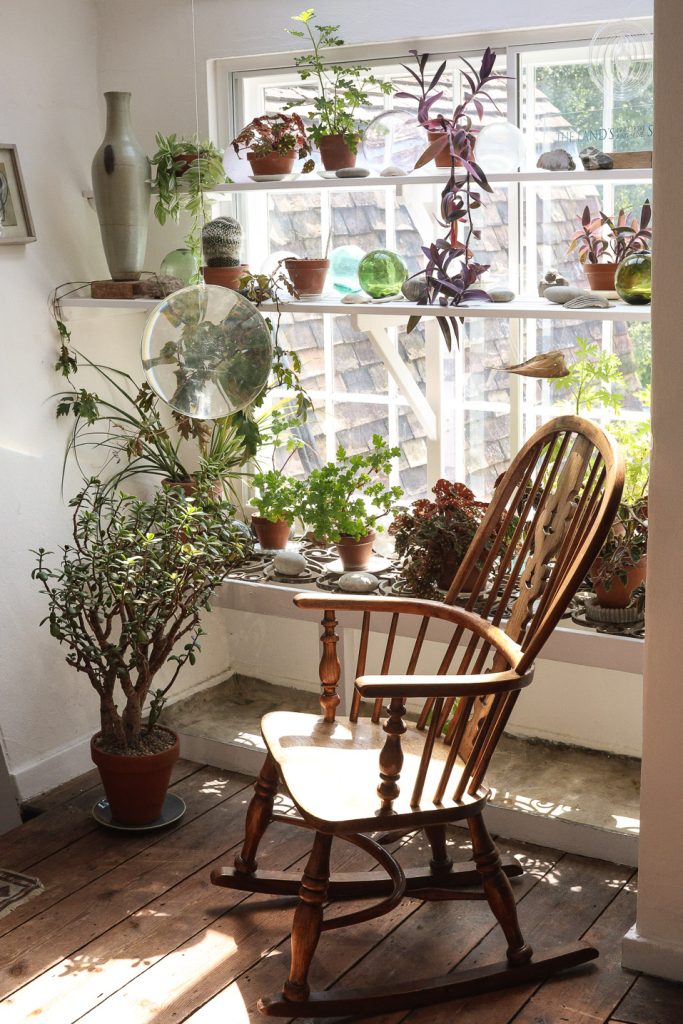
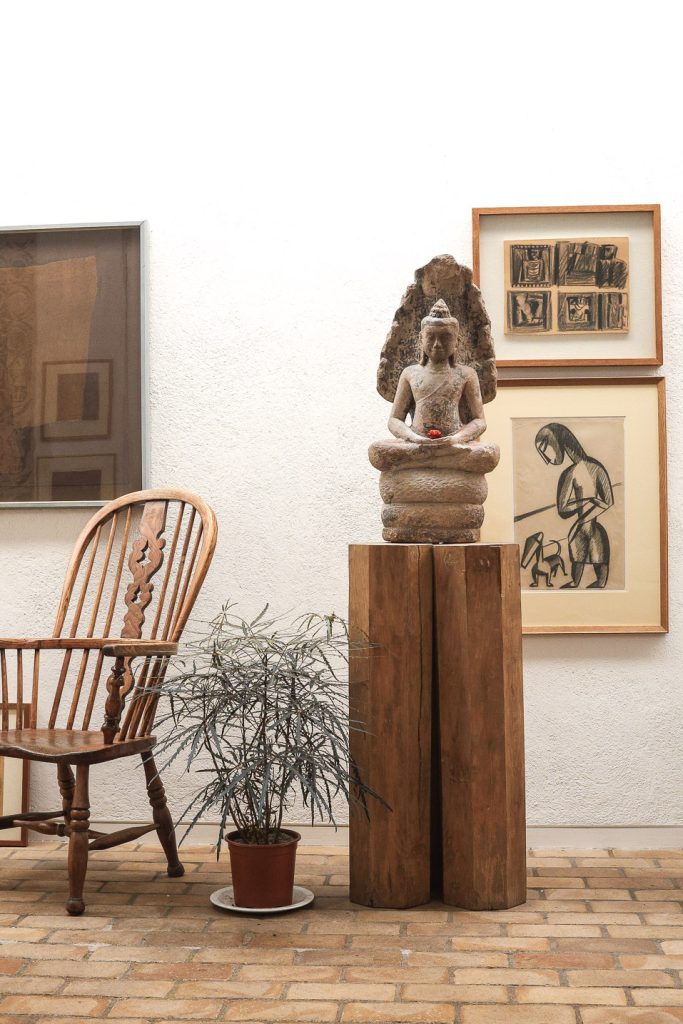
There are some places that quietly change the way you think about home. Kettle’s Yard, tucked away on the edge of Cambridge, is one of them. Once the home of collector Jim Ede and his wife Helen, it remains today much as they left it: a house where art, books, furniture and everyday objects exist in quiet harmony, inviting visitors to experience beauty as part of daily life.
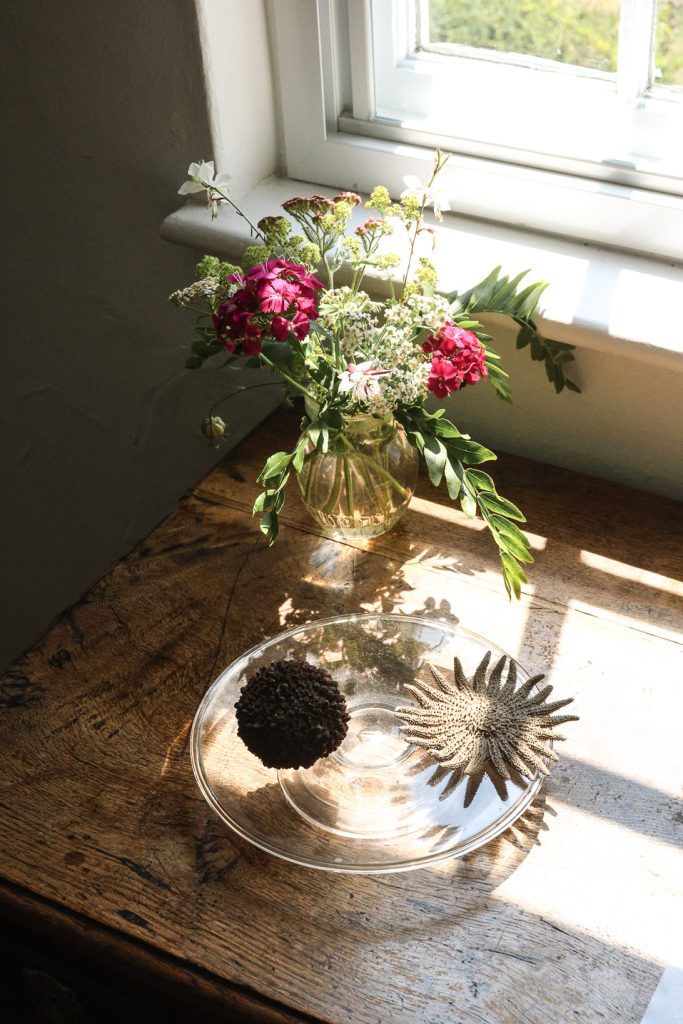
The intrigue begins as you approach the front door and ring the bell by pulling a cork tied to the end of a rope, a simple gesture that sets the tone for what lies beyond. I visited Kettle’s Yard in the heart of midsummer. As I stepped inside, the first thing I noticed was the light, pouring in through the windows, casting shifting patterns across walls, furniture and artworks, gently illuminating the collections within and drawing you further into the house.
Although Jim and Helen left Kettle’s Yard more than fifty years ago, their presence still quietly lingers. The house feels less like a preserved museum and more like a lived-in home whose owners have simply stepped out for the afternoon.
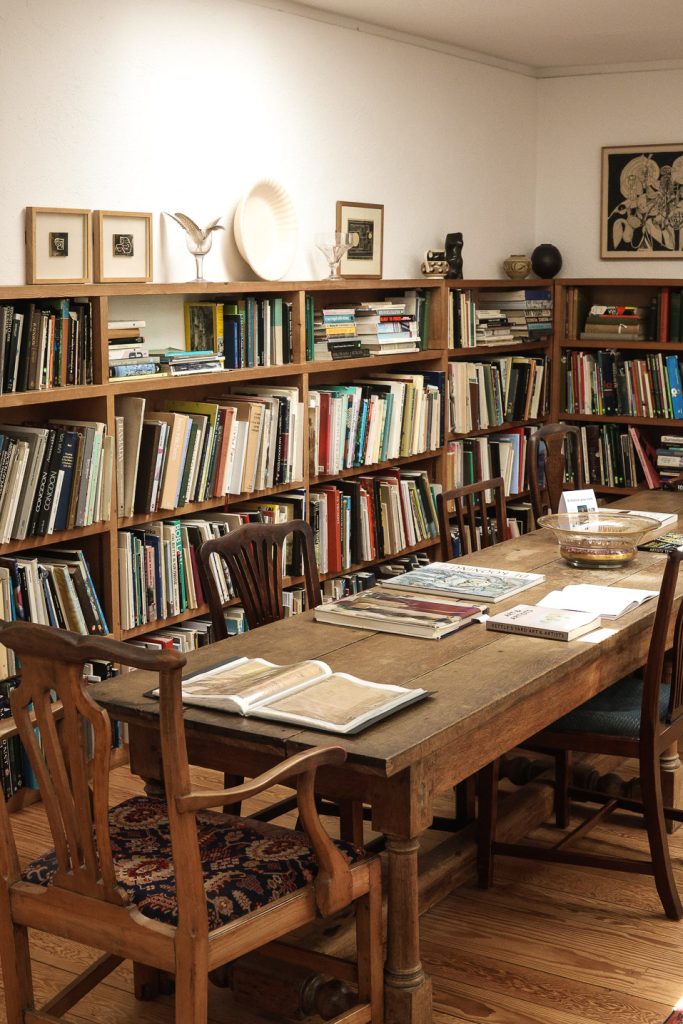
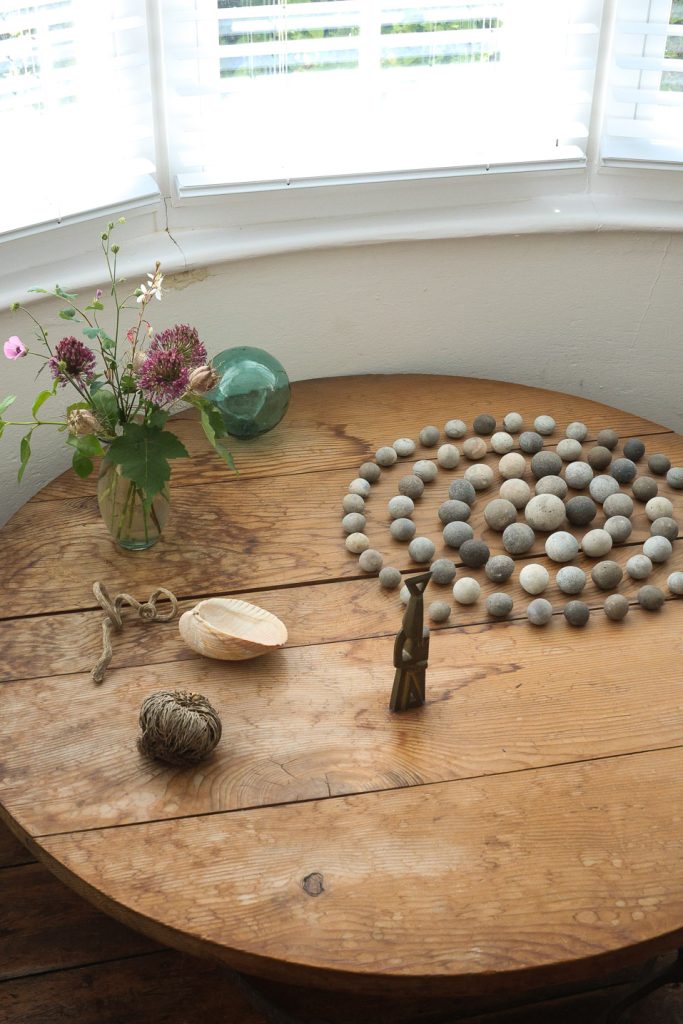
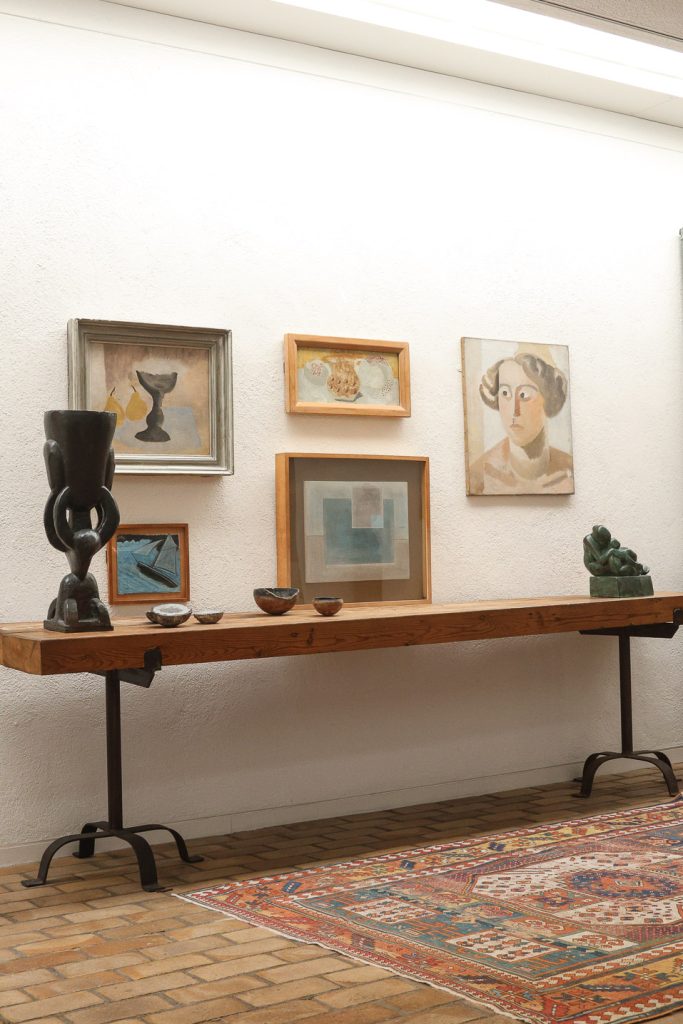
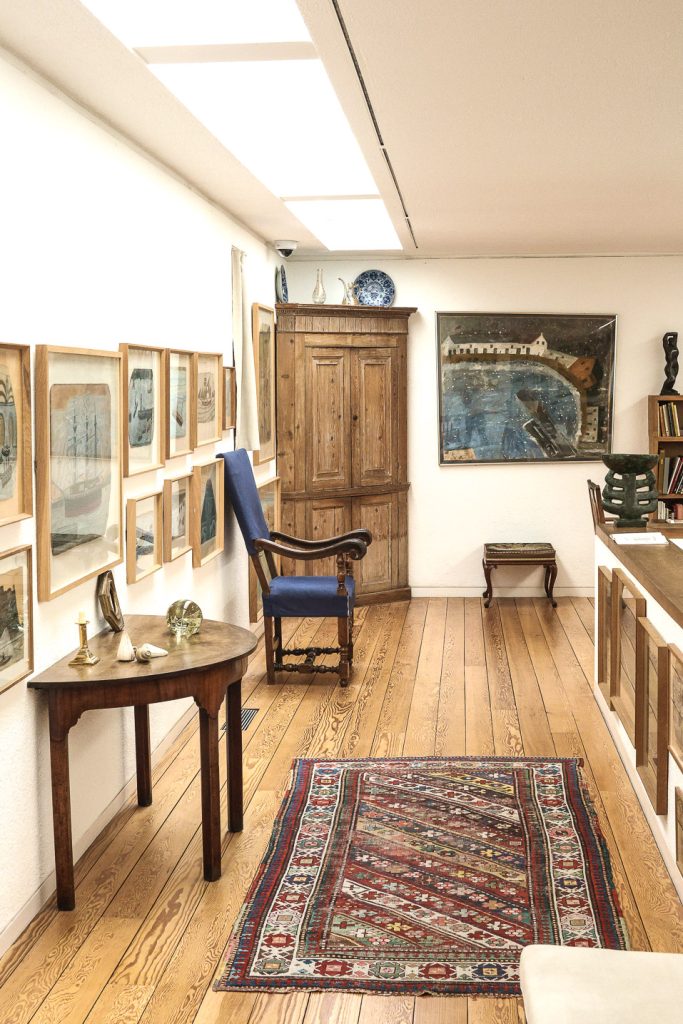
Moving from one room to the next, I was struck by the feeling of a home that had evolved gently over time. Shelves filled with books, paintings leaning beside ceramics, antiques, weathered furniture, fresh flowers, shells and pebbles gathered from walks. Simple corners offered gentle reminders of what a home can be. Nothing felt static; instead, each object seemed to have found its place over time.
There is no prescribed route around the house and no labels directing your attention. Instead, you are subtly encouraged to look more carefully. A pebble is given the same importance as a sculpture. Fresh flowers echo the colours of nearby paintings. A simple wooden chair, carefully positioned beside a window, invites you to pause, observe and simply enjoy being in the space.
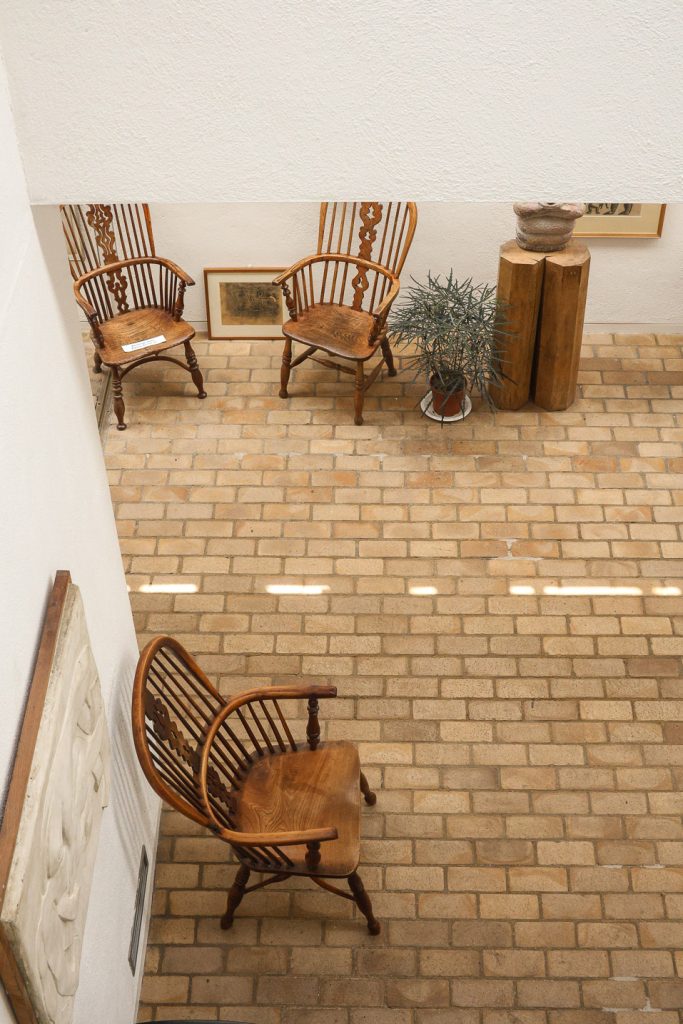
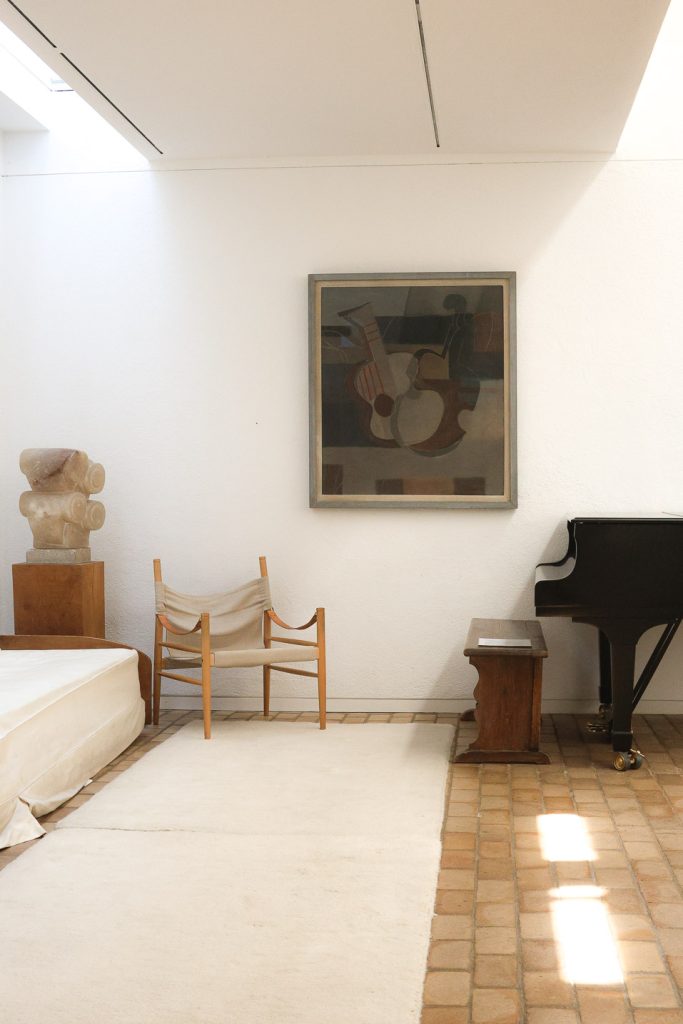
The longer I spent in the house, the more I noticed its remarkable sense of proportion. Every chair, painting, ceramic and pebble seemed to have exactly the space it needed. Rooms felt calm rather than sparse, layered without ever feeling crowded. Light, balance and empty space were treated with the same care as the collection itself.
What stayed with me most was not a particular artwork, but the relationships between objects. Art, nature and everyday life exist together without hierarchy. Beauty is found not only in paintings or sculpture, but equally in worn wood, natural patina, a vase of garden flowers or a stone picked up on a beach.
Perhaps that is what makes Kettle’s Yard so distinctive. Nothing feels decorated or overly composed. Instead, it reflects a life lived with curiosity, patience and care. It is a home that has evolved slowly, where every object contributes to the feeling of the whole.
Leaving Cambridge, I found myself thinking less about the individual paintings than the feeling the house had left behind. The quiet balance of light and shadow. The placement and space around each object. Fresh flowers on a table. Textiles and worn furniture softened by time. A pebble beside a sculpture. Individually they are ordinary things but together they create something far greater, a home with warmth, character and soul.
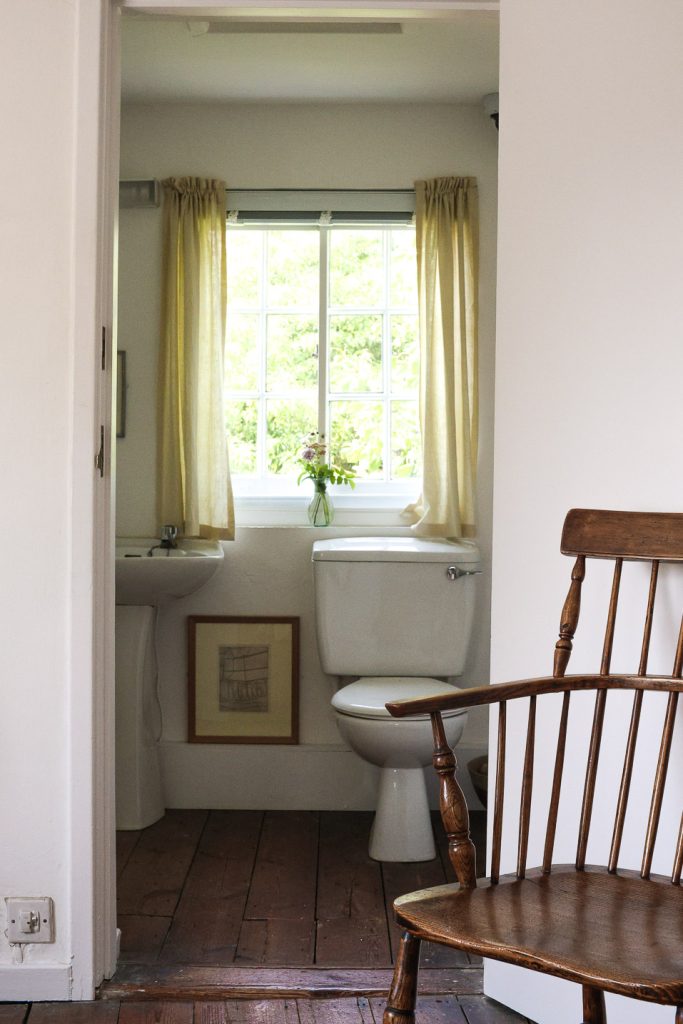
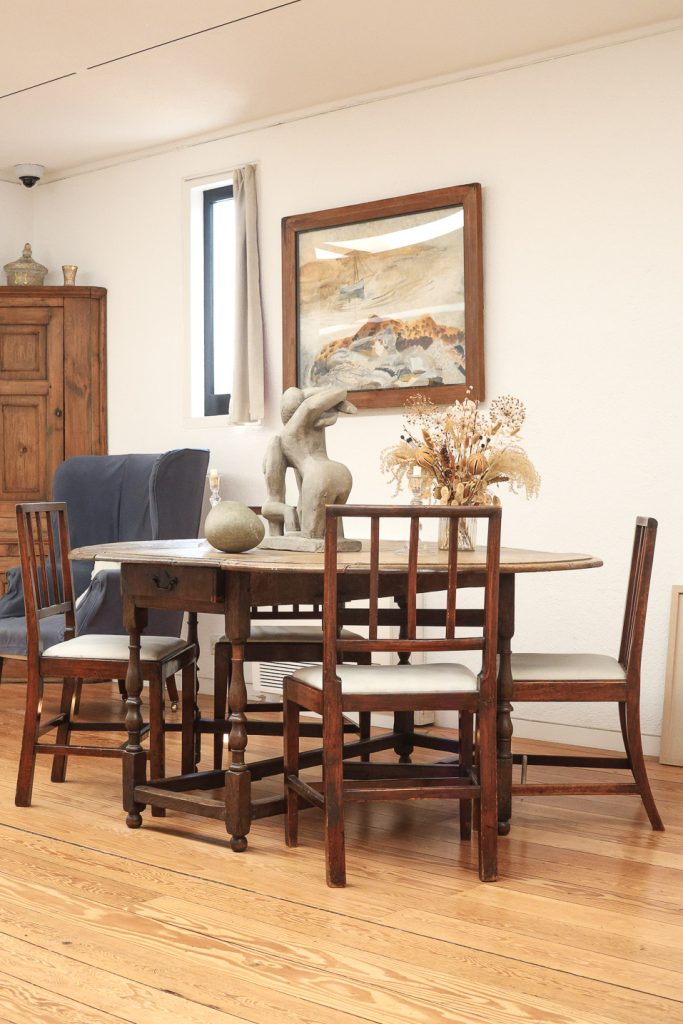
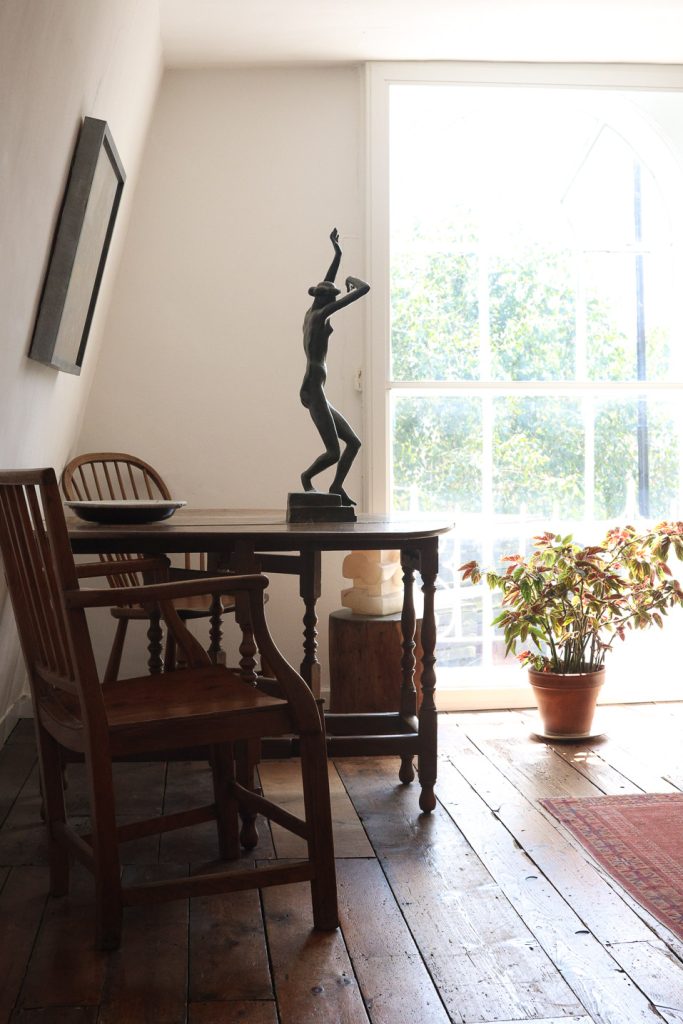
I hope you enjoy this collection of photographs from my visit.
Share this entry:
Stories of Place – Avebury as Home
Stories of Place is an ongoing journal series exploring the places that shape the way we think about home. Whether close to home or further afield, each story reflects on the landscapes, buildings and quiet details that continue to inspire the homes we create.
A visit to Avebury Manor & Garden is a reminder that the most meaningful homes are defined by the lives that unfold within them.
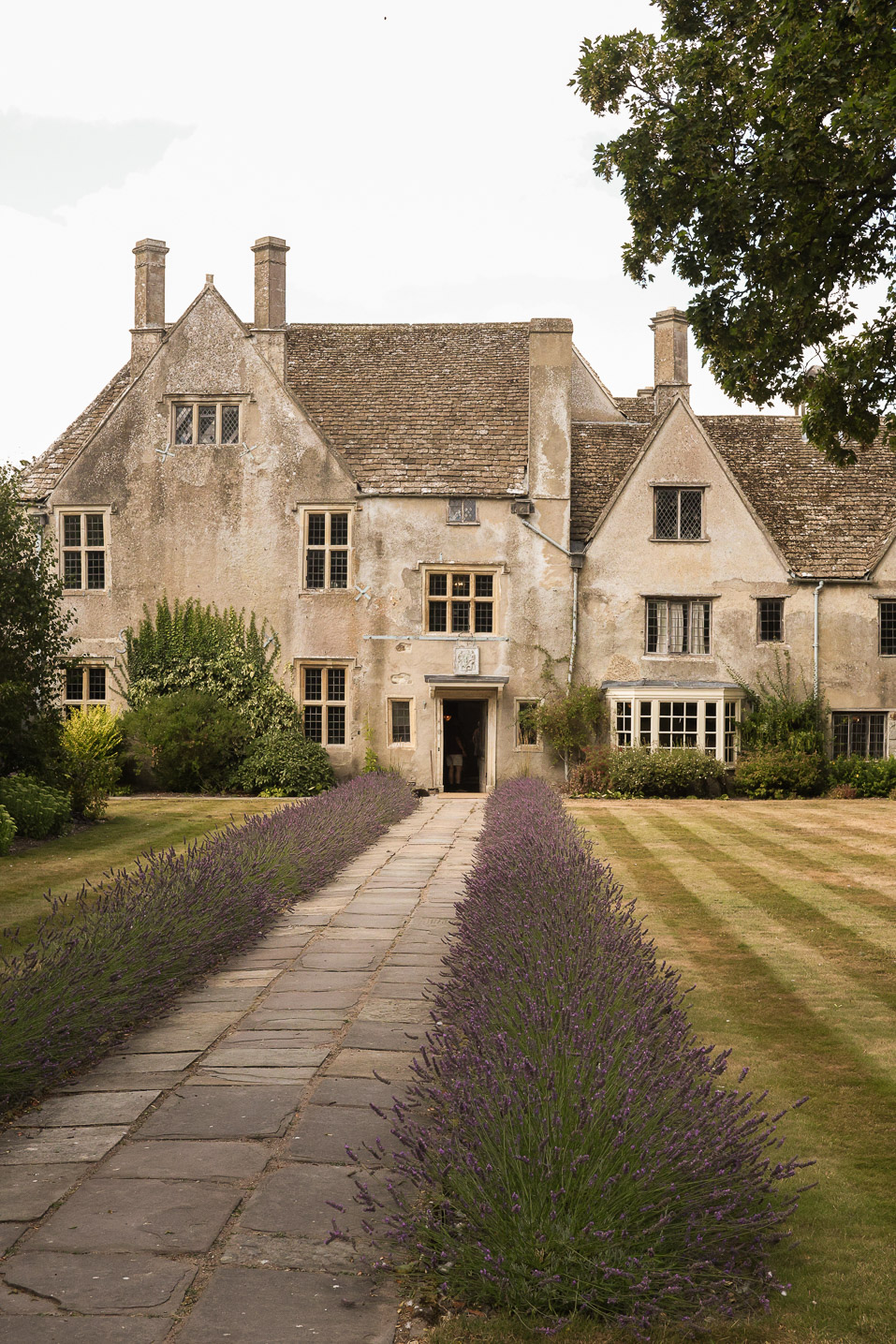
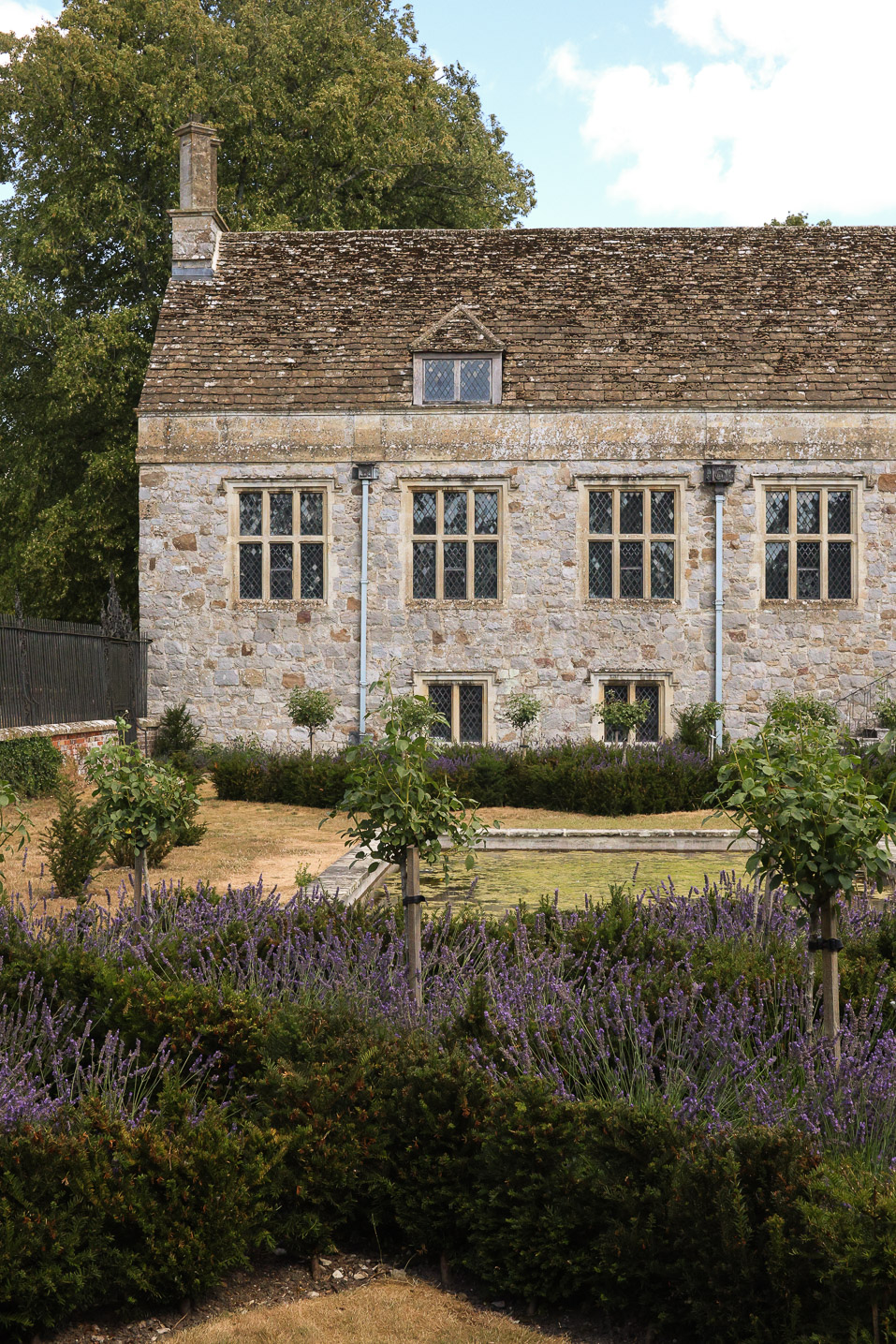
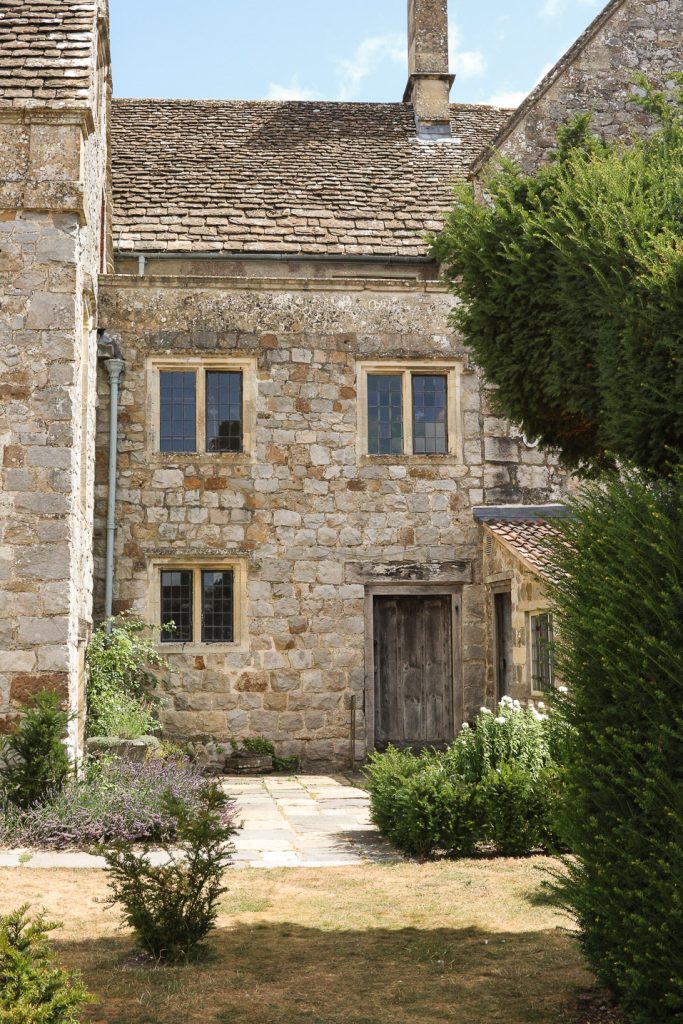
Set within the landscape of the Avebury World Heritage Site, the Grade I listed, 16th-century manor house recently reopened with a new perspective: Avebury as Home.
Rather than simply presenting a historic house, the experience invites visitors to discover the stories of those who have lived and worked there over the centuries, from Tudor courtiers and farming families to archaeologists and servants.
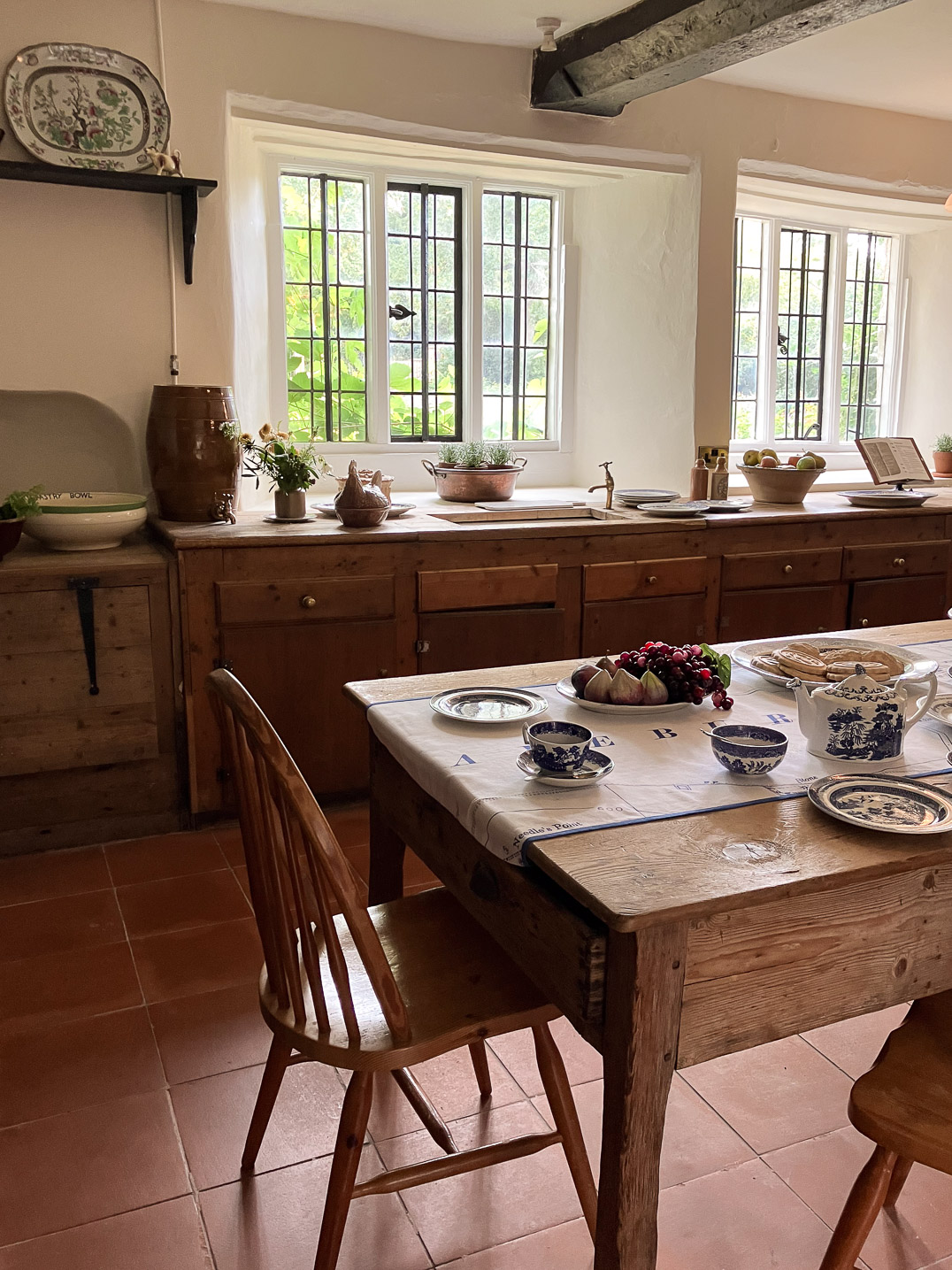
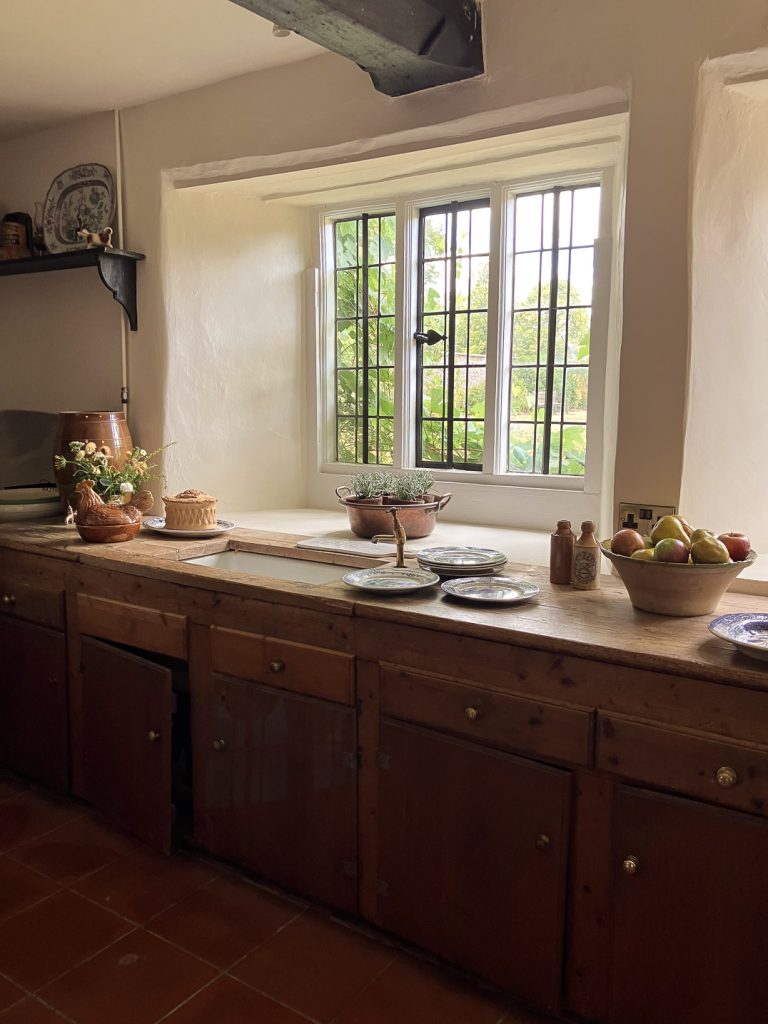
Through its rooms, objects and gardens, the manor reveals the many lives that have shaped its character. The traces people leave behind. The things they choose to keep. The objects that become part of everyday life. The rooms that quietly hold memories.
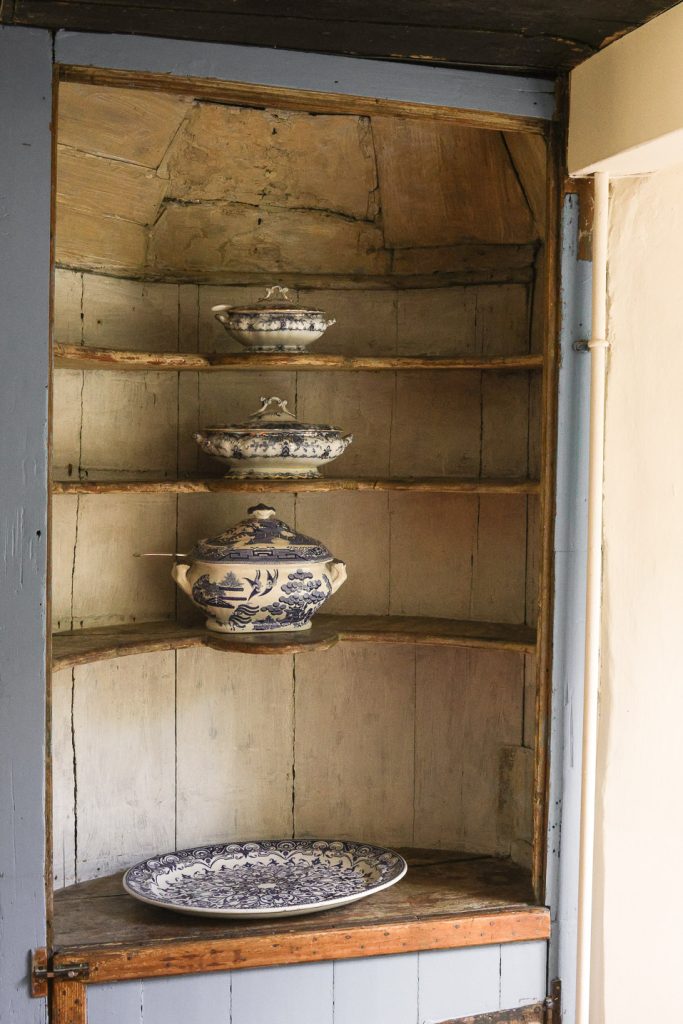
A home can reveal so much about the people who have shaped it. The books collected over a lifetime, furniture lived alongside for years, paintings and ceramics chosen with care, and the everyday objects that quietly become part of a home’s story. They may seem ordinary to others, yet they reveal something deeply personal about the lives lived within those walls.
These are the details that give a home its character. The things that make a house feel lived in and loved.
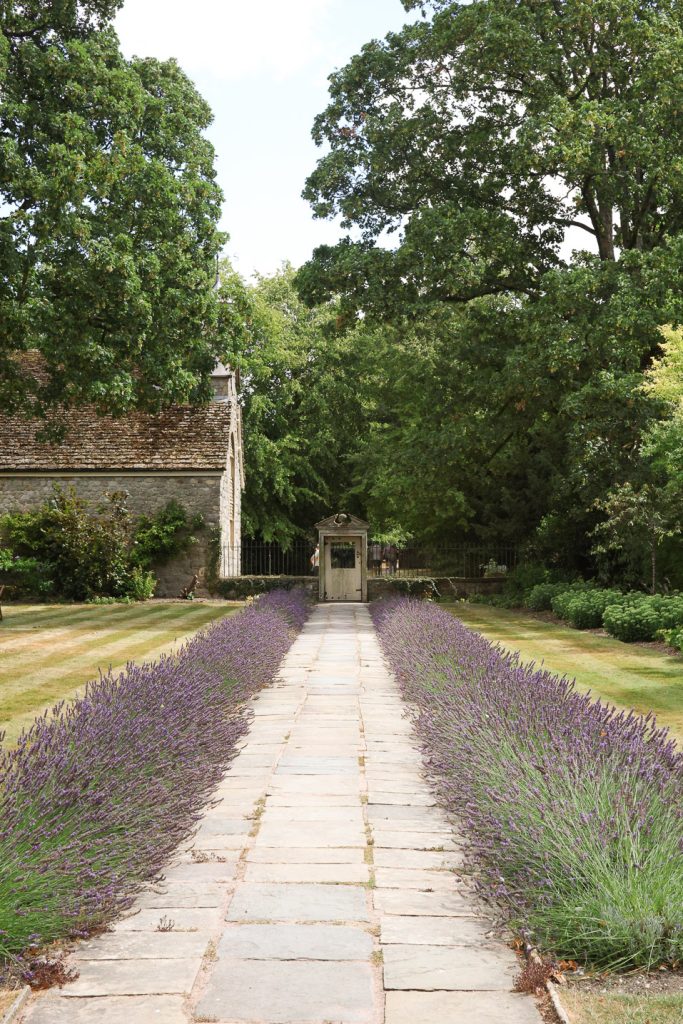
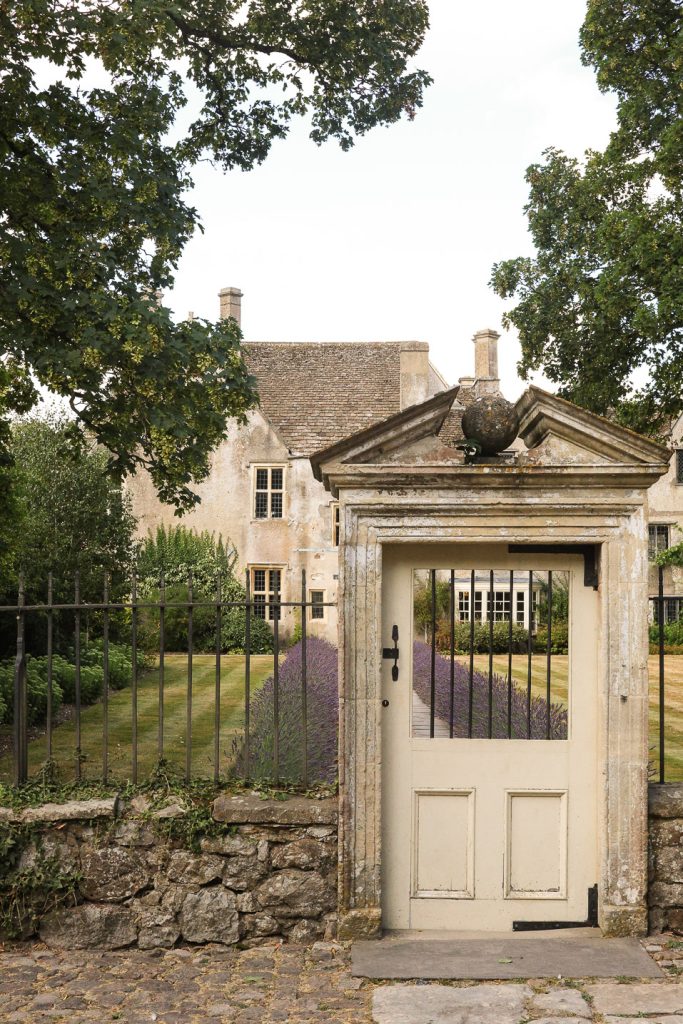
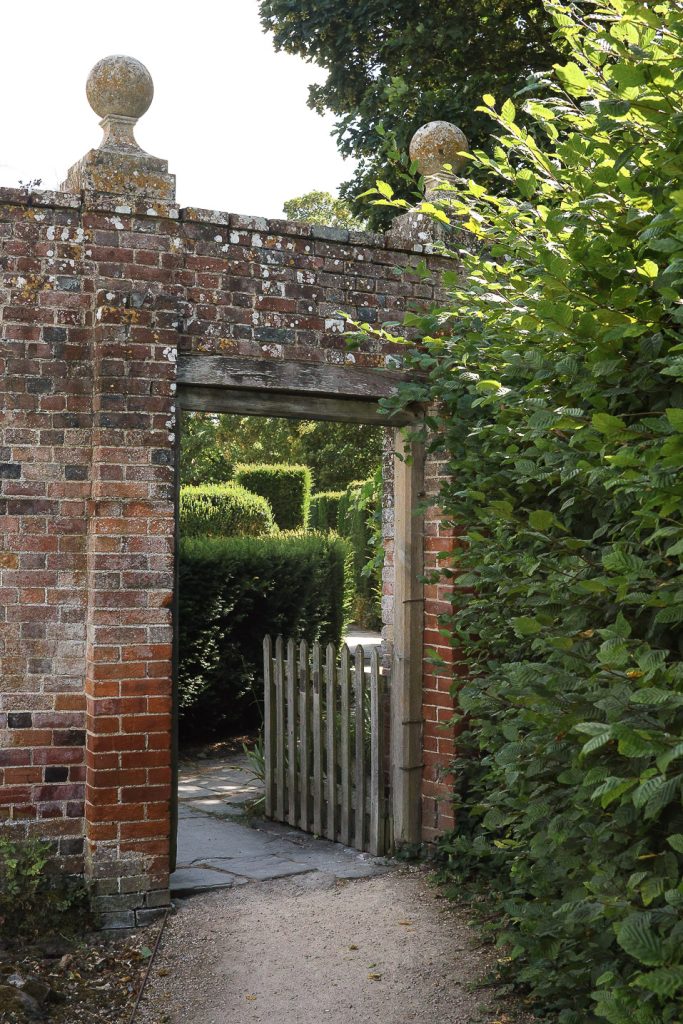
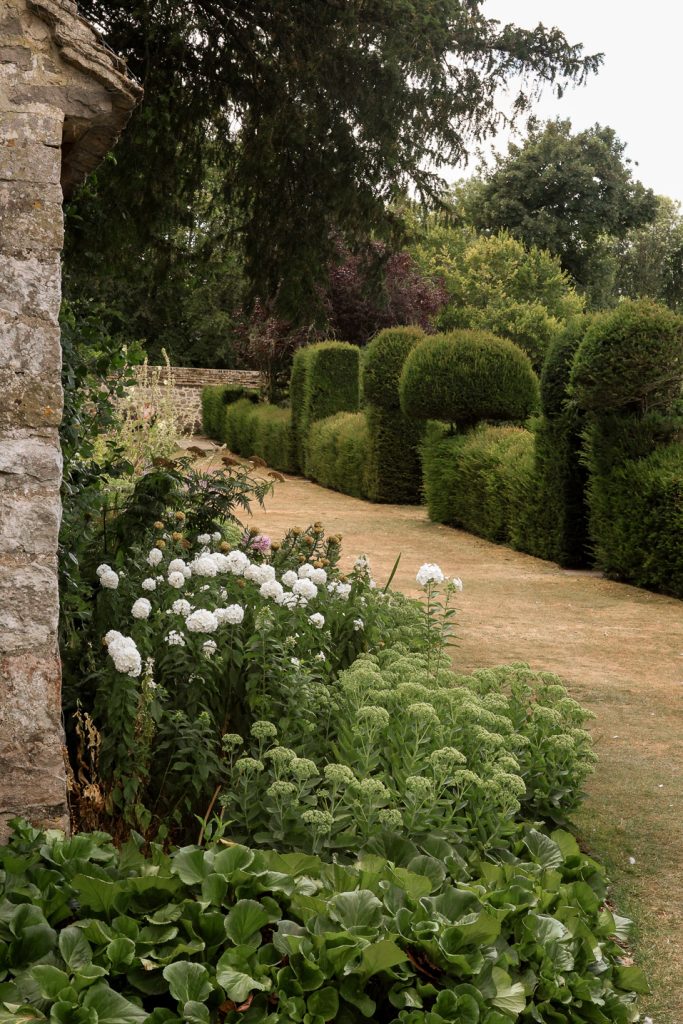
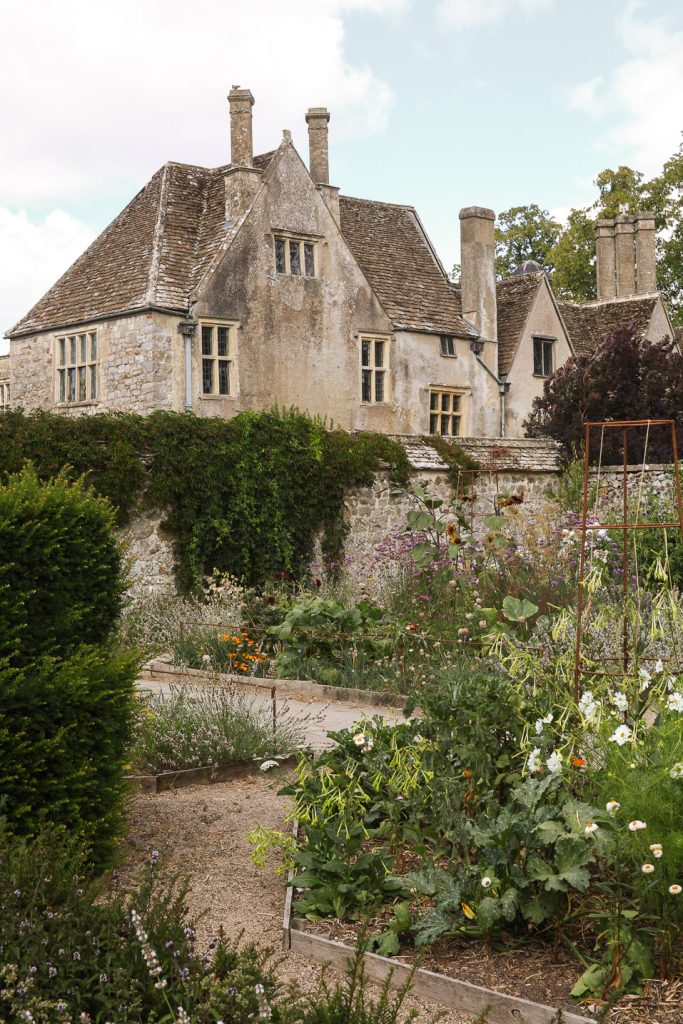
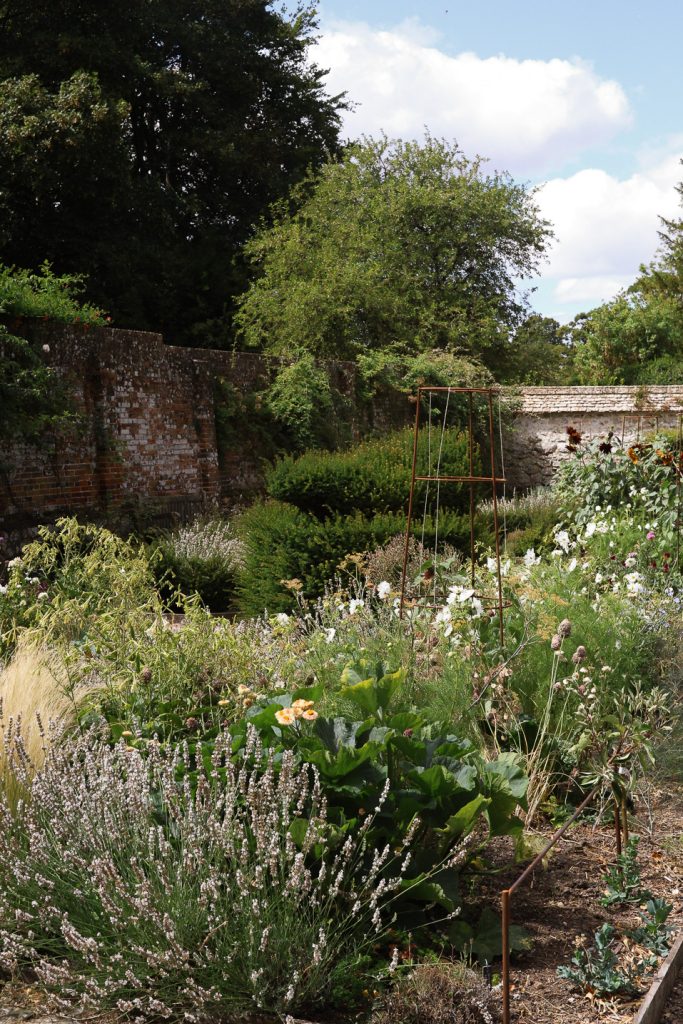
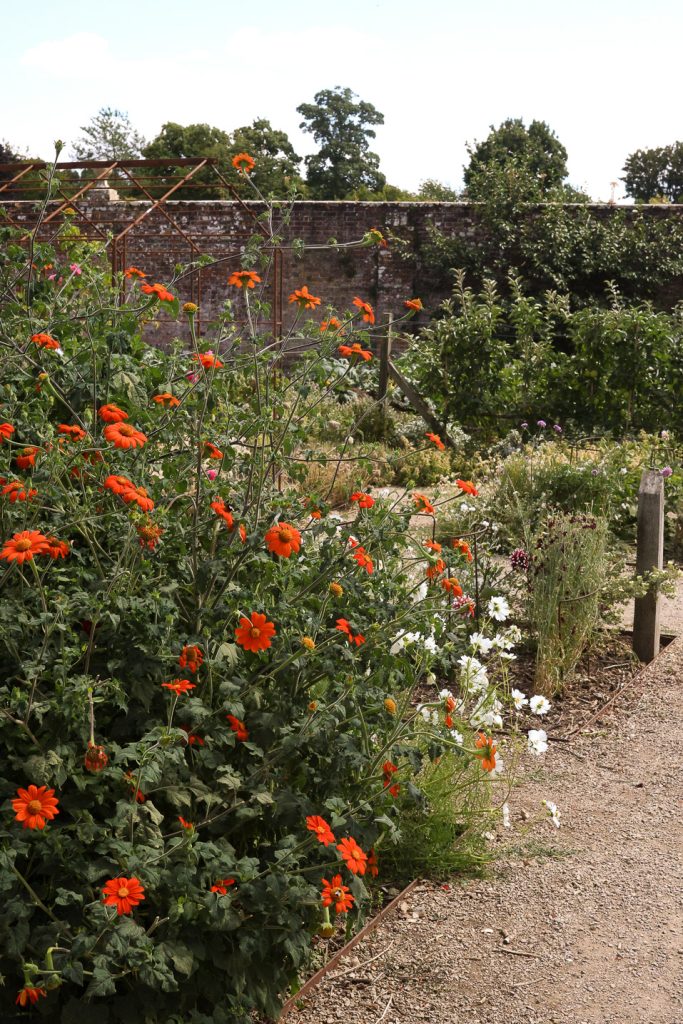
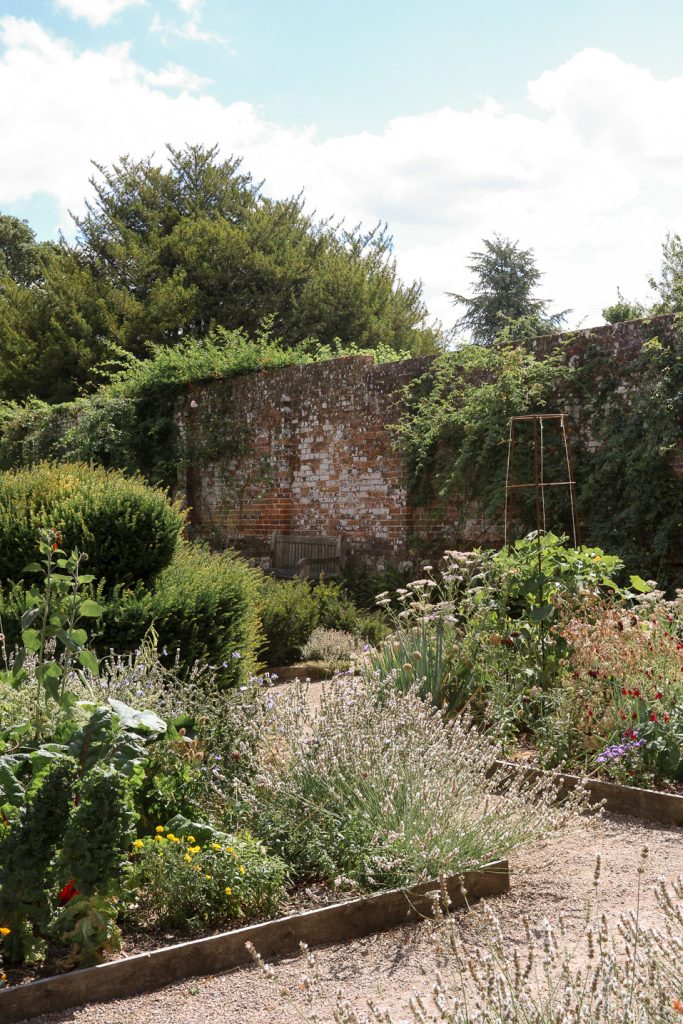
The story of the home continues through the gardens, which unfold gently around the house. Arranged as a series of rooms, each part has a different name and individual character. Generous borders soften the meandering pathways, plants lean into old stone walls, and colour appears at every turn. Though carefully designed, there is a natural ease to the gardens. They feel lived in, an extension of the home itself.
Avebury Manor & Garden has a particular atmosphere. There is a quiet sense of home that lingers throughout the house and gardens. Home is rarely confined by four walls, it extends into the gardens we tend and the moments spent outdoors as the seasons change.
Perhaps this is why old places like Avebury continue to inspire us. Beyond their architecture and history, they reveal that homes are never created all at once. They are shaped slowly over time by the people who live there, the objects they gather, the gardens they nurture, and the stories they leave behind.
Avebury Manor and Garden, Wiltshire, National Trust
Share this entry:
Decorating with Antique Textiles
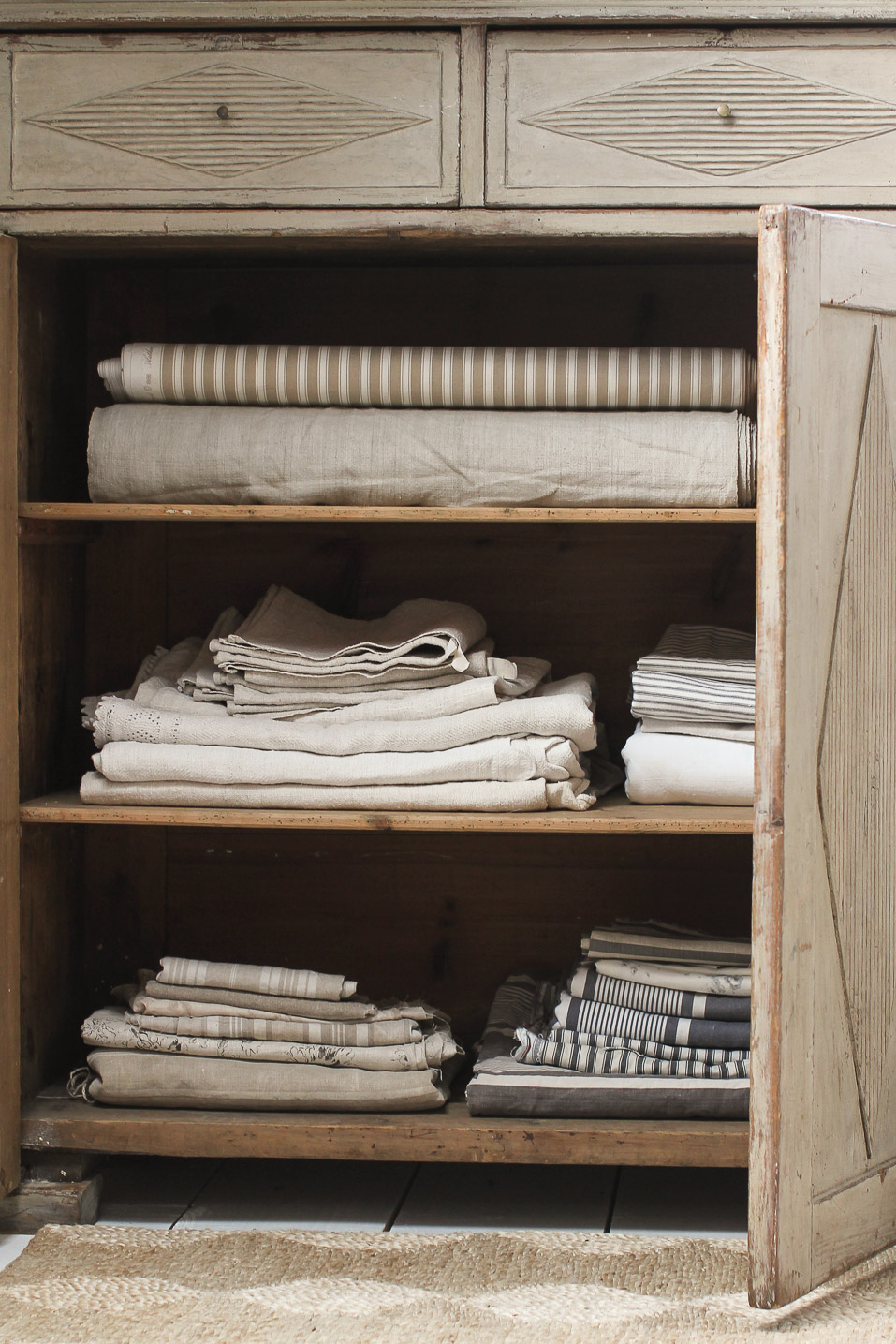
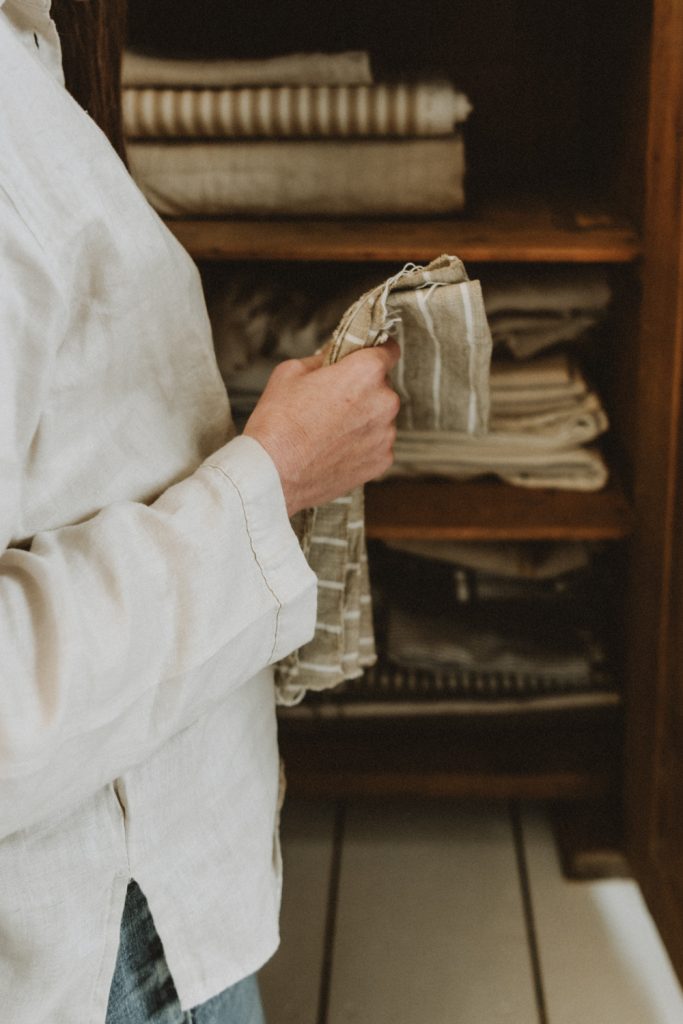
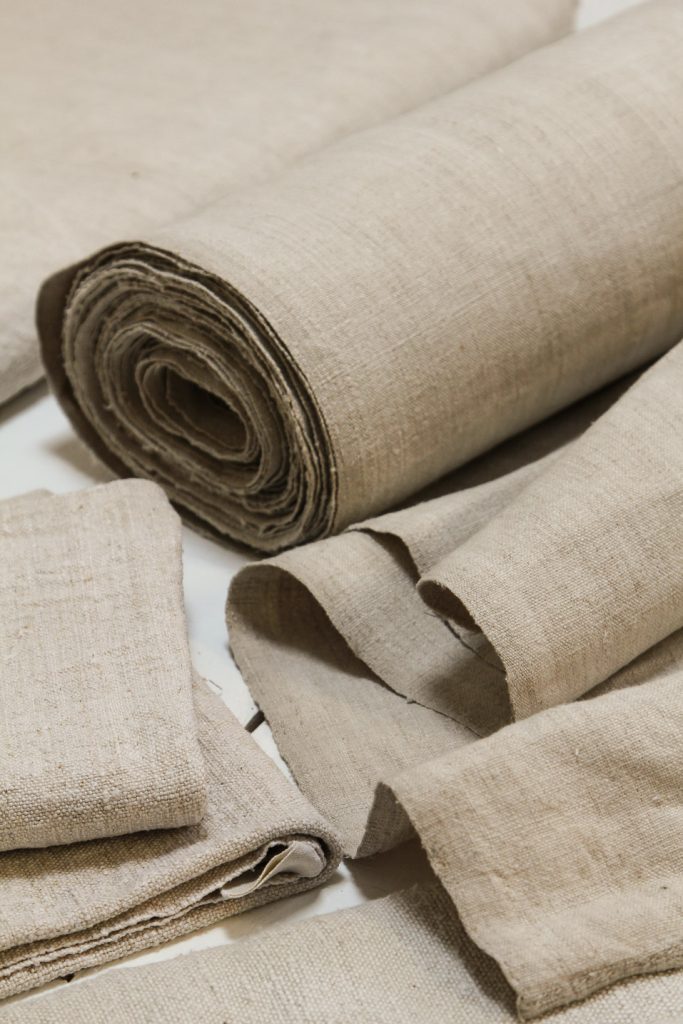
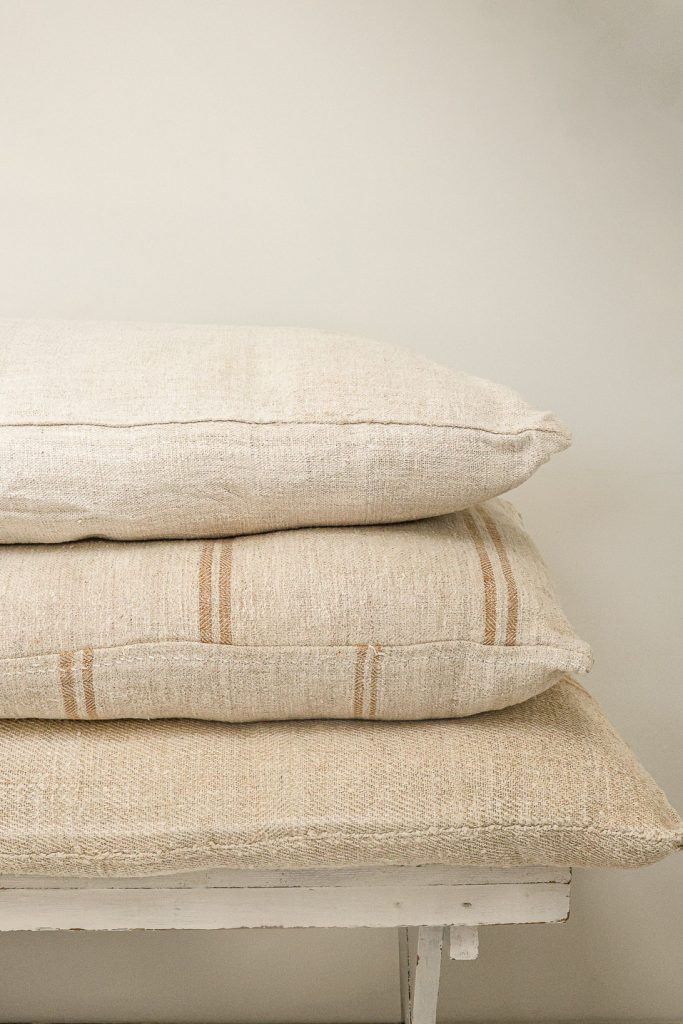
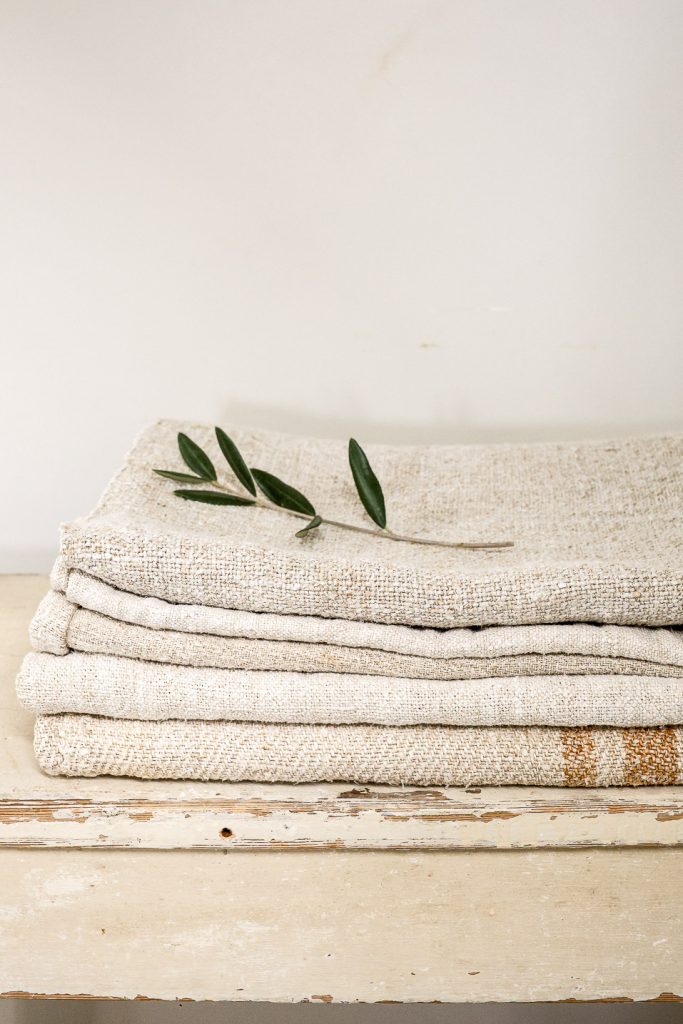
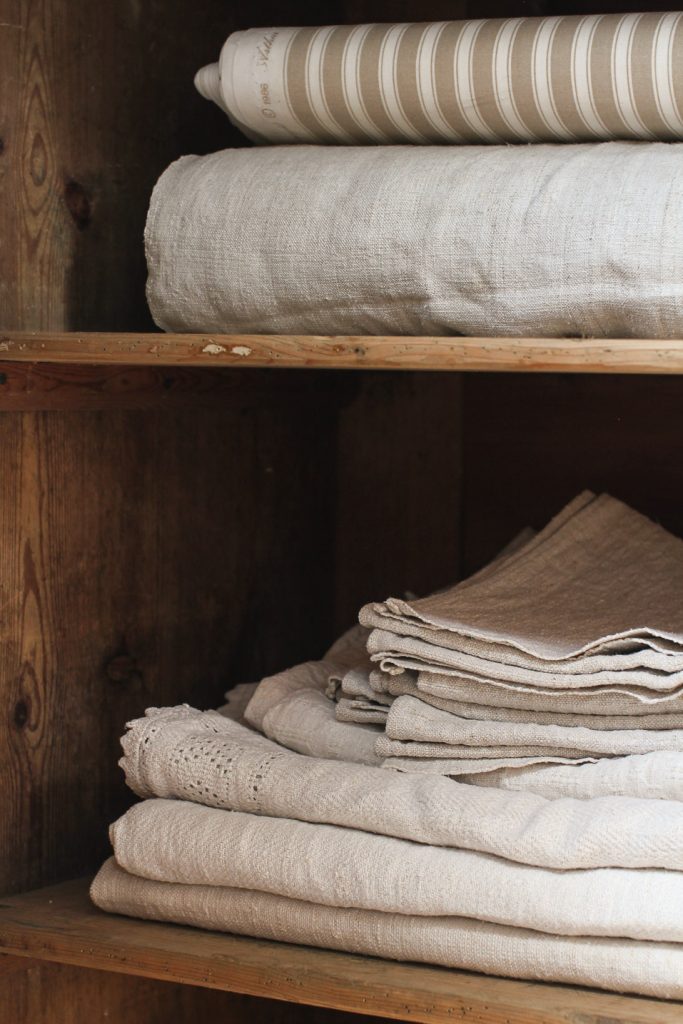
Antique textiles are one of the simplest ways to bring character into a home. Whether handwoven linens, traditional ticking or printed cottons, each piece adds atmosphere and a sense of history that is difficult to replicate.
Originally woven for everyday use, these fabrics were made from natural fibres and crafted to endure. Years of use have softened their colours, enriched their texture and revealed a depth of character that only time can create.
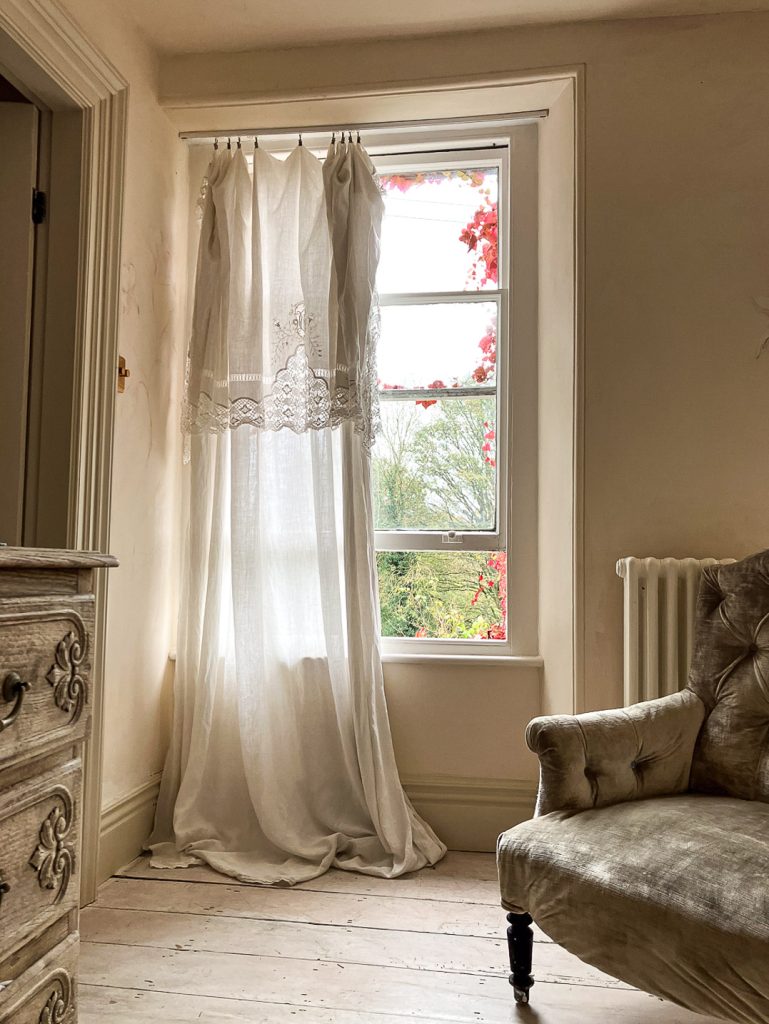
One of the reasons we love antique textiles is their versatility. They can be reinterpreted as cushions, lampshades, headboards and upholstery, used as curtains or table linens, or simply draped over furniture.
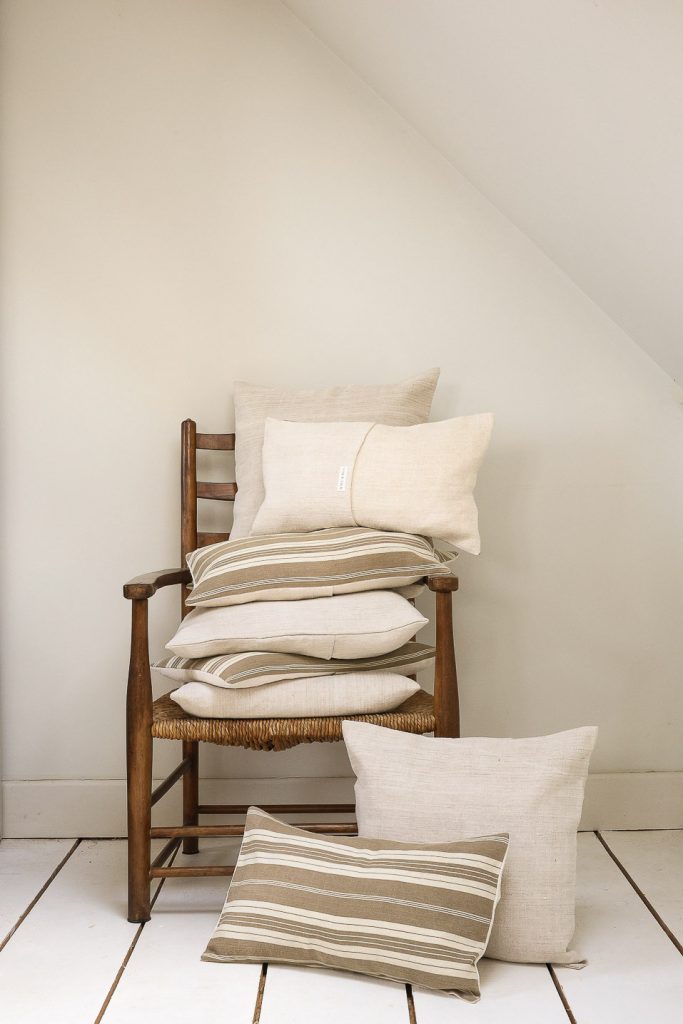
Even the smallest detail, such as a simple cushion can completely change the look and feel of a room, softening the edges of a chair, sofa, window seat or bed and adding comfort and warmth.
Many textiles lend themselves well to repurposing. Grain sacks make beautiful cushions and upholstery, while antique linens can become curtains, bed coverings or tablecloths. Ticking fabrics, originally designed for mattresses and bolsters, remain a timeless choice for upholstery and soft furnishings.
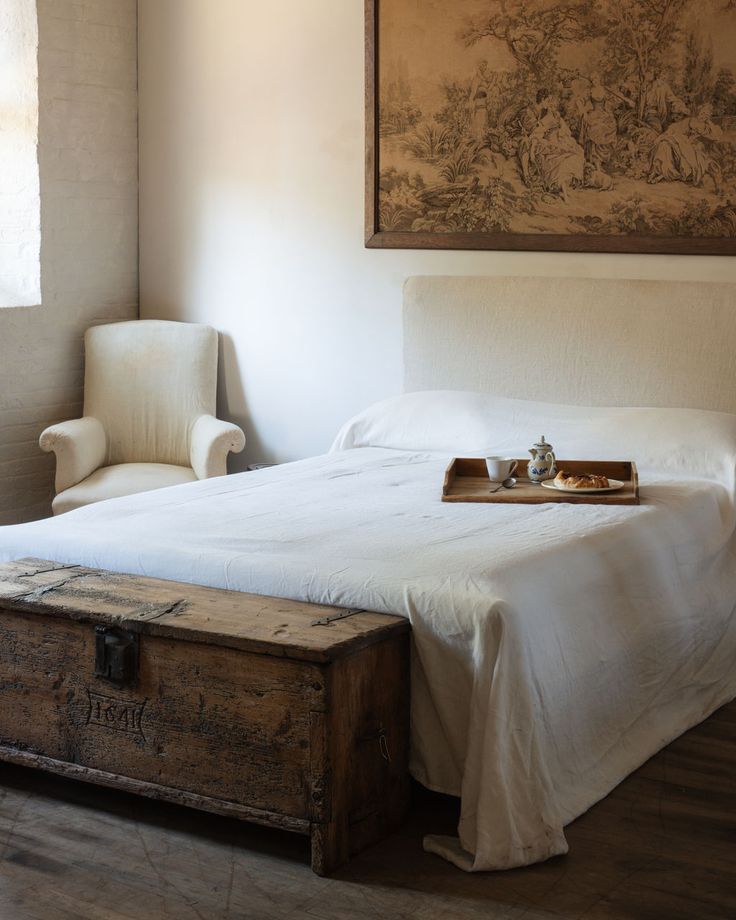
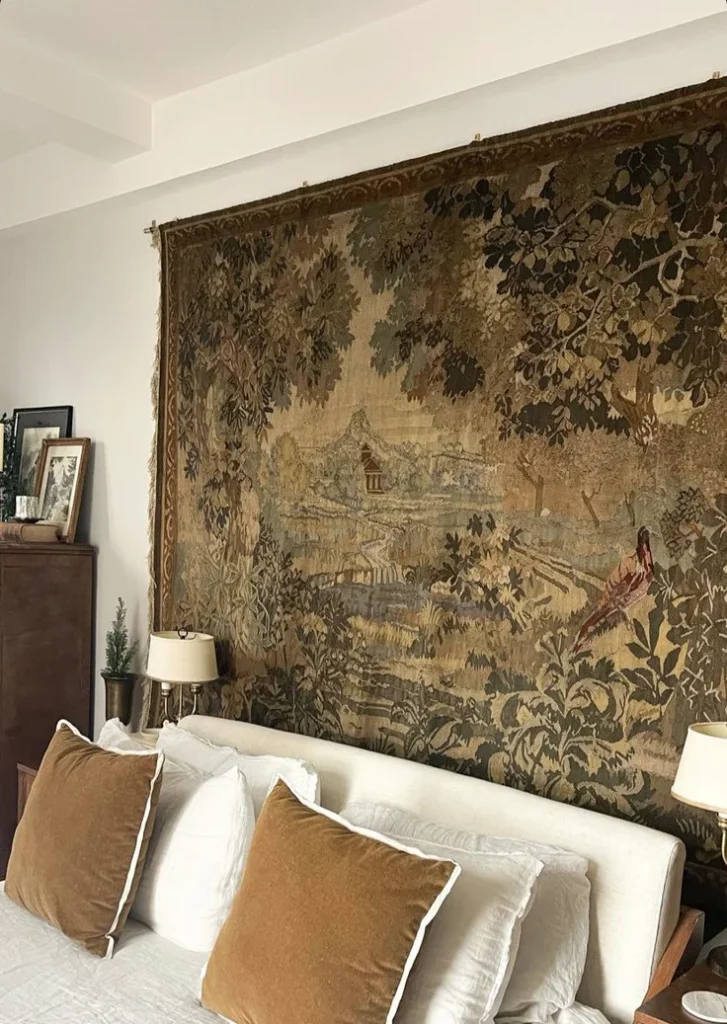
Larger antique textiles such as rugs or tapestries, can be framed or hung as artwork, allowing their weaves, patterns and history to take centre stage. Displayed in this way, they become striking focal points that add texture and depth to a room.
Antique textiles are defined by variation. No two pieces are exactly alike and each carries its own story, preserving the craftsmanship of the maker and the traces of those who used it before. There is something deeply satisfying about reimagining these fabrics.
Repurposing antique textiles allows them to continue their story rather than being forgotten or discarded. Whether transformed into a practical piece for the home or appreciated in their original form, they remain objects to be used, enjoyed and lived with.
Perhaps that is why we continue to seek them out. Antique textiles have a unique ability to make a home feel layered, personal and collected over time. They connect us to the past while finding a place in modern interiors, speaking to the enduring quality of good design, craftsmanship and natural materials.
Our handmade cushions are crafted from carefully sourced vintage and antique fabrics, allowing these materials to continue their story in new homes. Discover the evolving collection in our store.
Decorating with antique textiles is about recognising the beauty in what already exists and finding new ways for these pieces to remain part of everyday life.
We hope this journal offers inspiration for bringing antique fabrics into your own home.
Share this entry:
At Home with Maria Le Mesurier
At Home with is an ongoing journal series exploring the homes of thoughtful creatives. Through conversations and photography, we discover what home means to them, the values that shape the way they live, and the details that make each home unique. Though every story is different, home is always at the core.
For our next feature, we journey to the Devon coast to meet Maria Le Mesurier, who lives with her family in a beautiful English thatched cottage. Set against the ever-changing backdrop of sea and sky, her home is grounded in nature and shaped by simplicity. Guided by a deep appreciation for craftsmanship and natural materials, Maria has created a home that feels calm, practical, and full of quiet character.
Join us as we step inside Maria’s home by the sea.
Tell us a little about yourself and your background.
Everything I do is always rooted in some form of creativity. I was hugely influenced by living in Italy a long time ago – it left the most incredible imprint on me & has impacted me in so many ways. I host my own Podcast called my name, inviting guests on from different fields that inspire me, editing things both in & out of life, finding & sharing interior design styles to make home as comfortable as possible, recent discoveries, personal style, feel good buys, wellness tips & tricks, favourite sayings & affirmations, plus any lessons learnt along the way. I believe that life should be easy, & it’s not always easy at all – it helps to understand how others get through it to bring life together. Alongside my Podcast, I do consultations online & in person to help people make the most of their living space & make small impactful changes without spending a fortune. My intention is always for everyone to feel better about themselves, I love to help people. I am the Creative Director of our brand Wood|Edit – we make simple classic furniture by hand in Oak, Walnut, Ash & French Cane. I do everything other than the making – that is done by my husband.
Where do you call home, and what is it like?
We moved to our cottage just over 3 yrs ago. We live near Hartland in North Devon, right by the sea. You can’t see the sea from home which is probably lucky as it would have been double the price if we could. It takes a few minutes to walk to the most beautiful coastline of all time. We came here for the sea, the peace, the incredible feeling of calm that surrounds us. Our home is about 300yrs old, thatched, very remote, very cosy, needs quite a lot done to it which we are doing little by little & constantly needs patching up as buildings of these age need a lot of love & care.
What does home mean to you?
To feel safe & cocooned which our home couldn’t do any better. I kiss it’s walls & say how grateful I am a lot.
How would you describe your aesthetic and style?
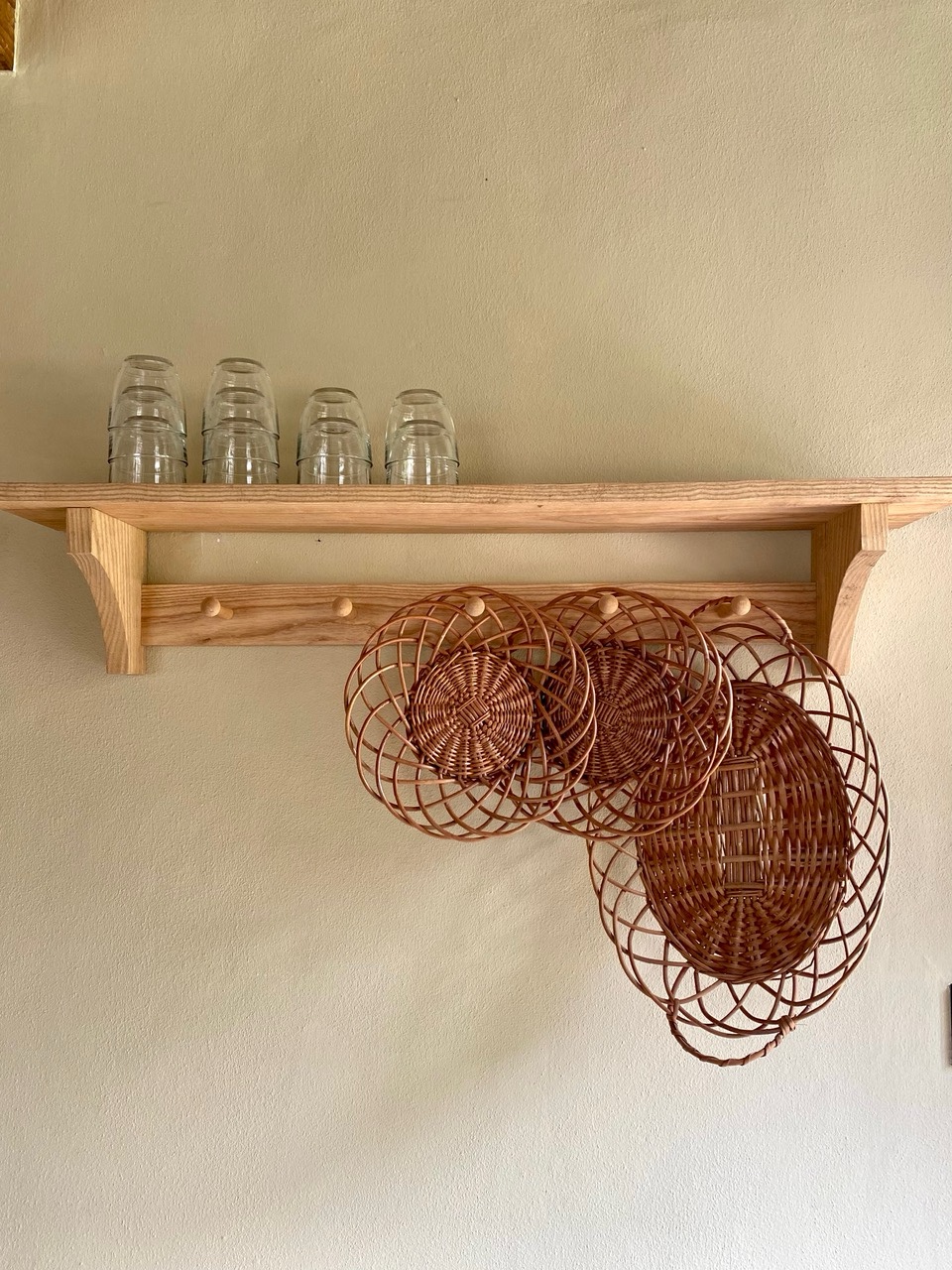
It’s a very simple aesthetic – pretty minimal, no frills, no clutter, earthy colours, natural materials – lots of linens, stone, jute & wood. Very tidy! I cannot operate in mess, it makes my brain feel like popcorn. I have lots of baskets everywhere & at Wood|Edit we make these wonderful Peg Rails which help keep everything organised & orderly. Welcoming & restful.
Which is your favourite space in your home, and why?
I love it all in equal measure. Possibly my children’s messy bedrooms a little less at times!! But the whole space makes me very happy. I have so many ideas of things I want to do & I’m having to learn patience as we are not quite in a position to do too much at the moment.
How do you choose what to bring into your home?
The things I have I completely adore – they need to feel really special. I collect Italian ceramics, I love most things Italian, Spanish & Portuguese – I love their style.
Where do you find inspiration for your home?
Europe & in the colours of nature. The earth in those countries I already mentioned, stones & pebbles, crystals, shells, woods, lichen, the sea. All these incredible textures & colours. They are all like heaven for me.
Who do you most admire for their sense of style, ethos, and aesthetics?
All my wonderful guests I have on my Podcast. Plus my 5 children. My girls Pearl & Dolly’s style really inspires me, they’re very cool. And the Italians in all ways.
We love celebrating and sharing stories of home and place from those we admire. Our hope is that these stories may offer you inspiration or new ideas for making a beautiful and comforting home. Explore more stories here on our journal, with more to follow.
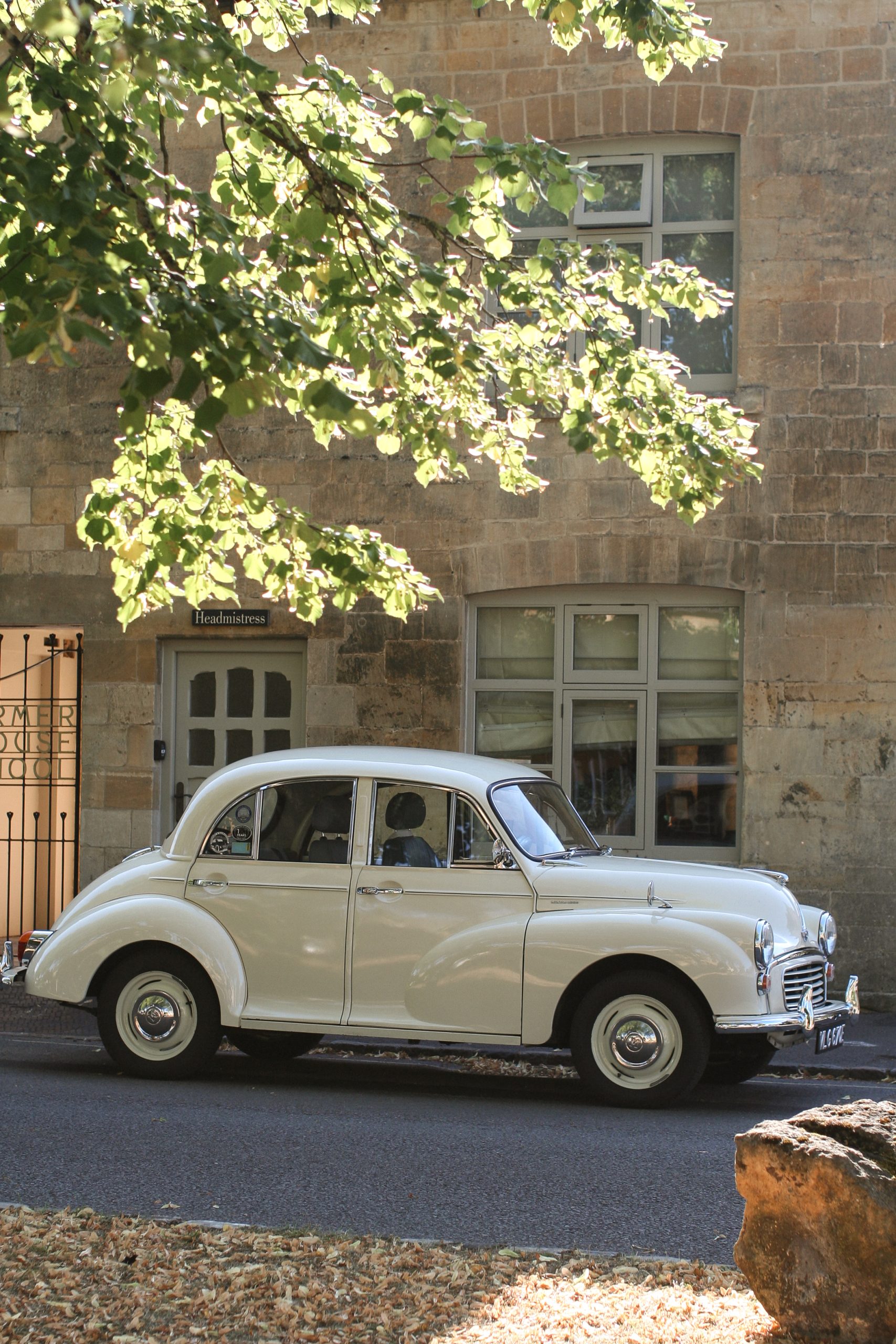
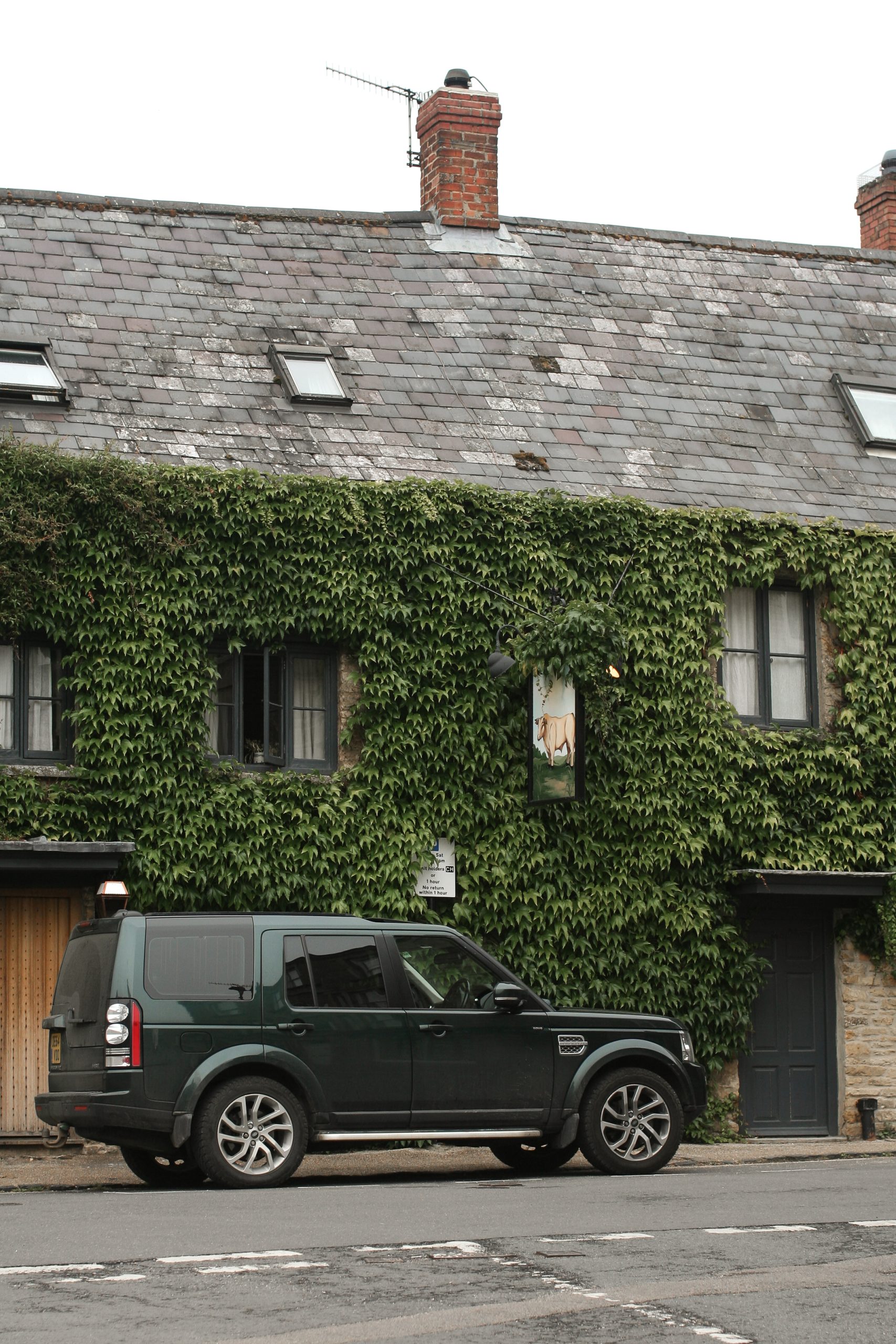
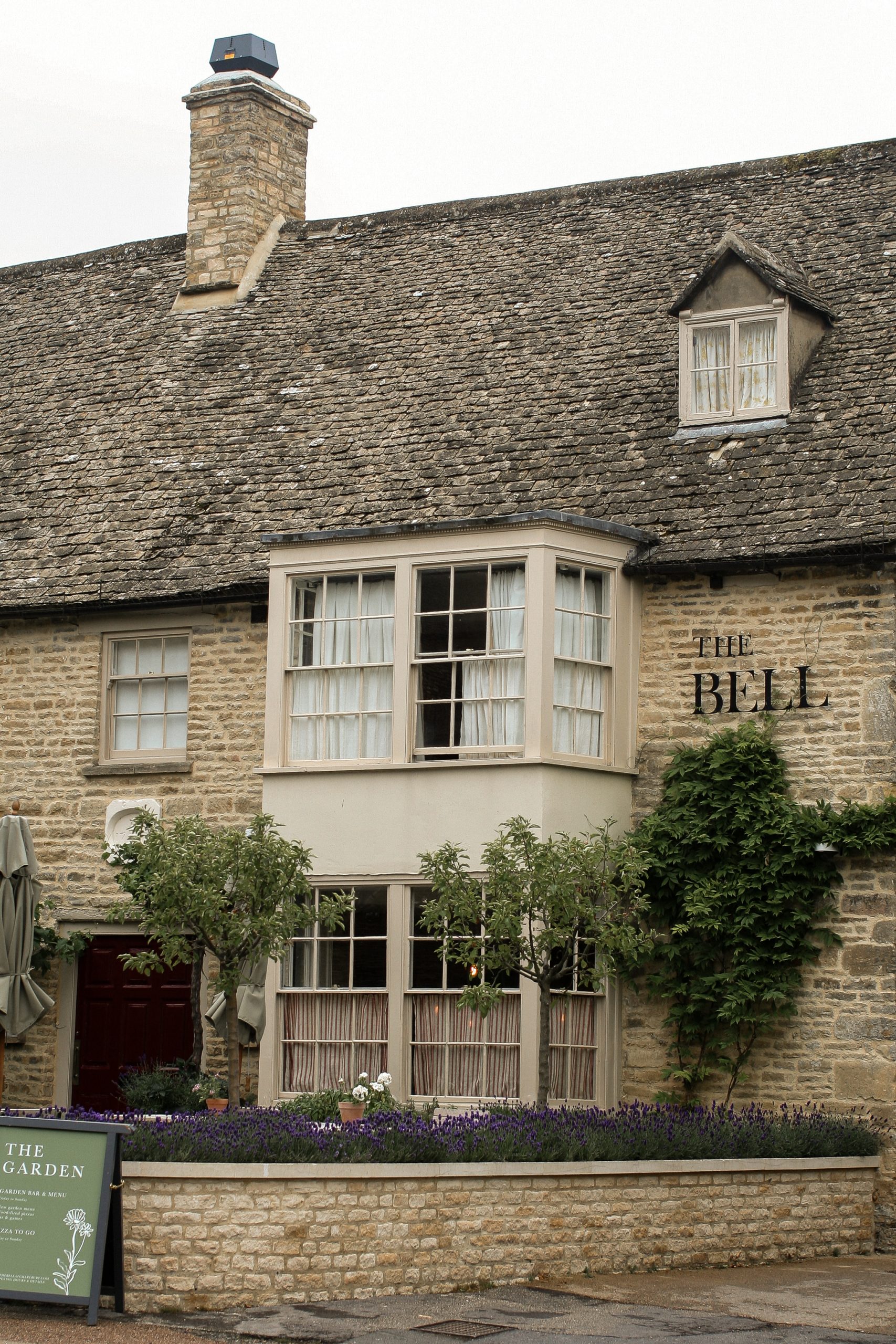
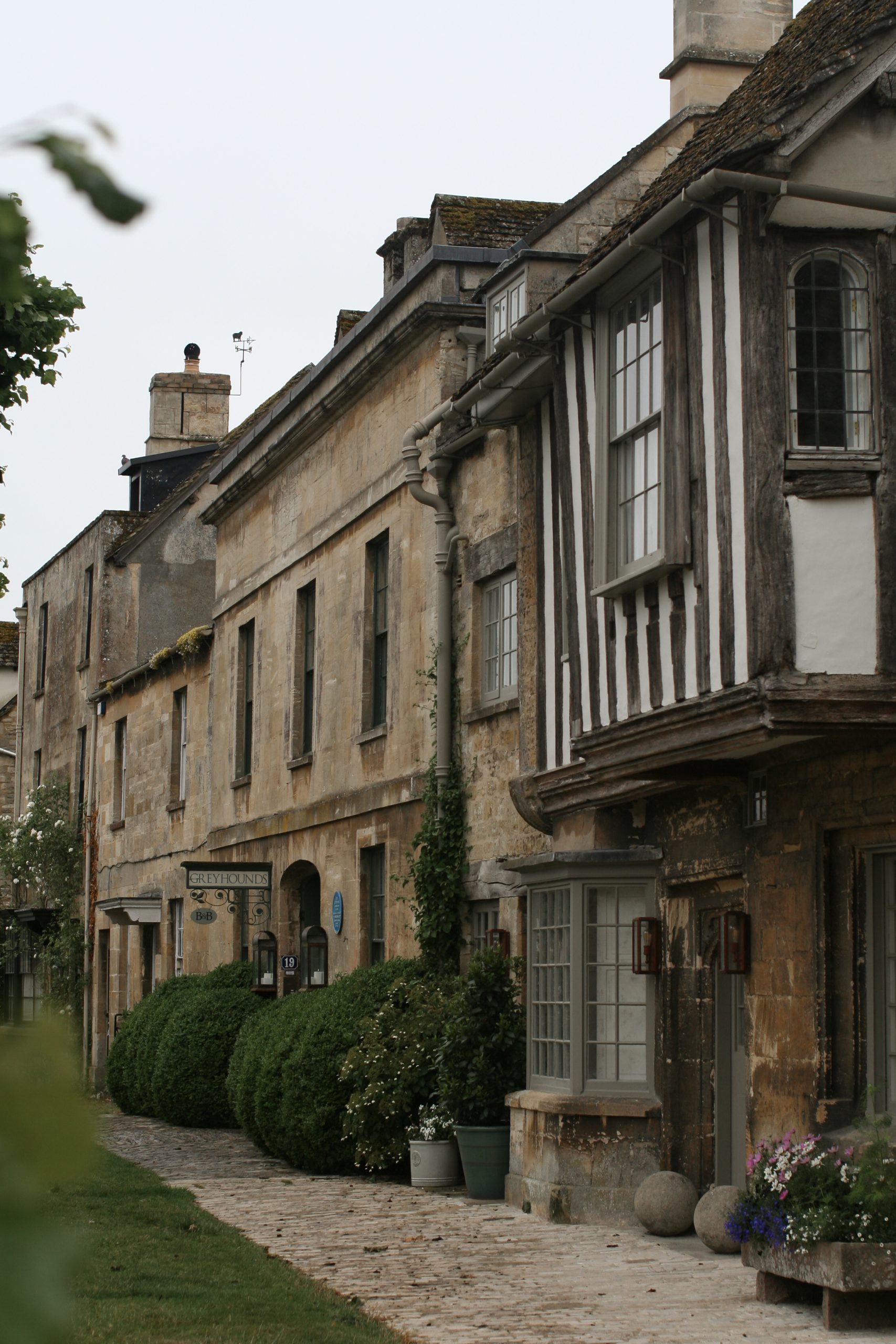
Stories of Place – The Cotswolds
Stories of Place is an ongoing journal series exploring the places that shape the way we think about home. Whether close to home or further afield, each story reflects on the landscapes, buildings and quiet details that continue to inspire the homes we create.
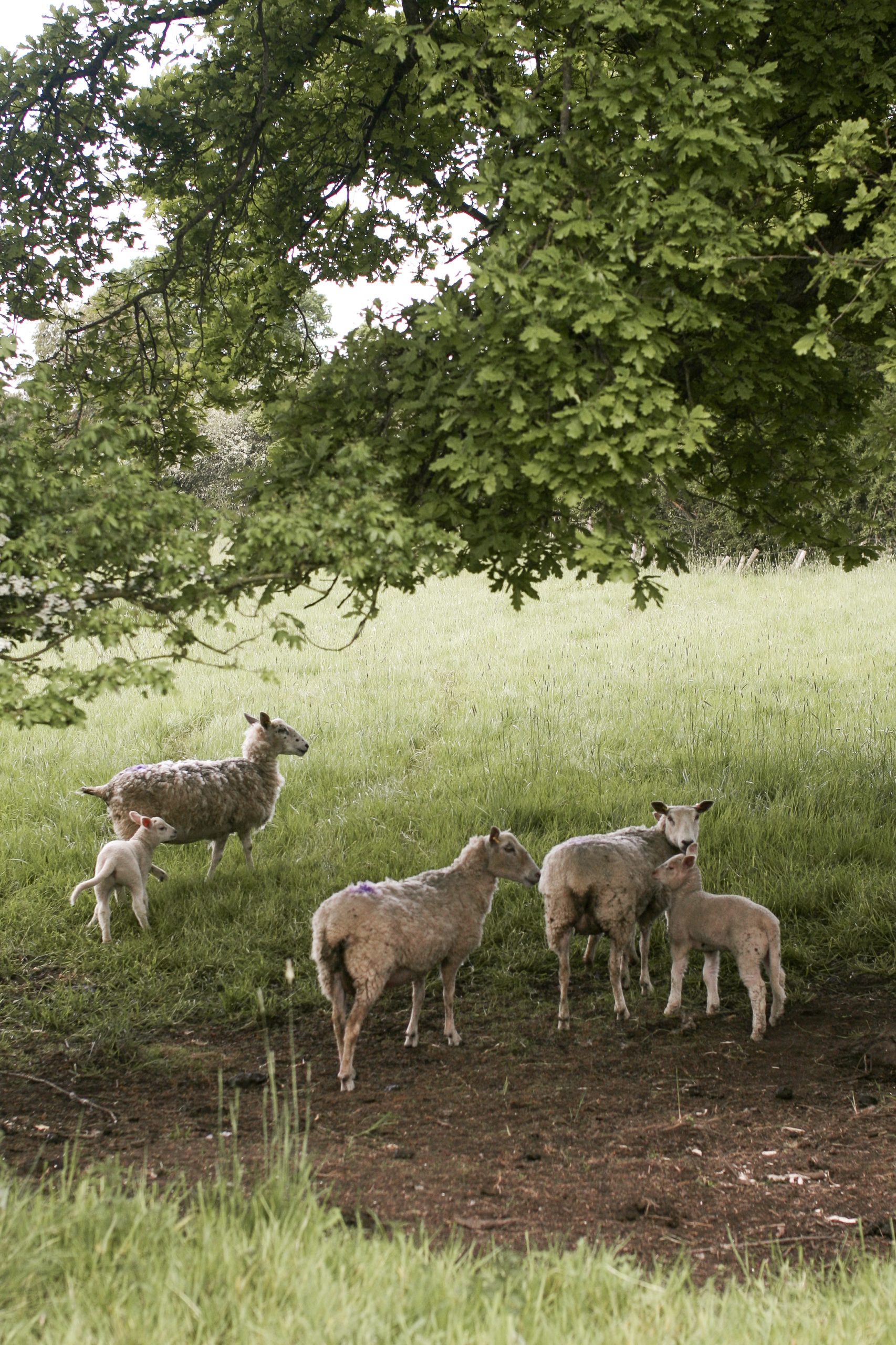
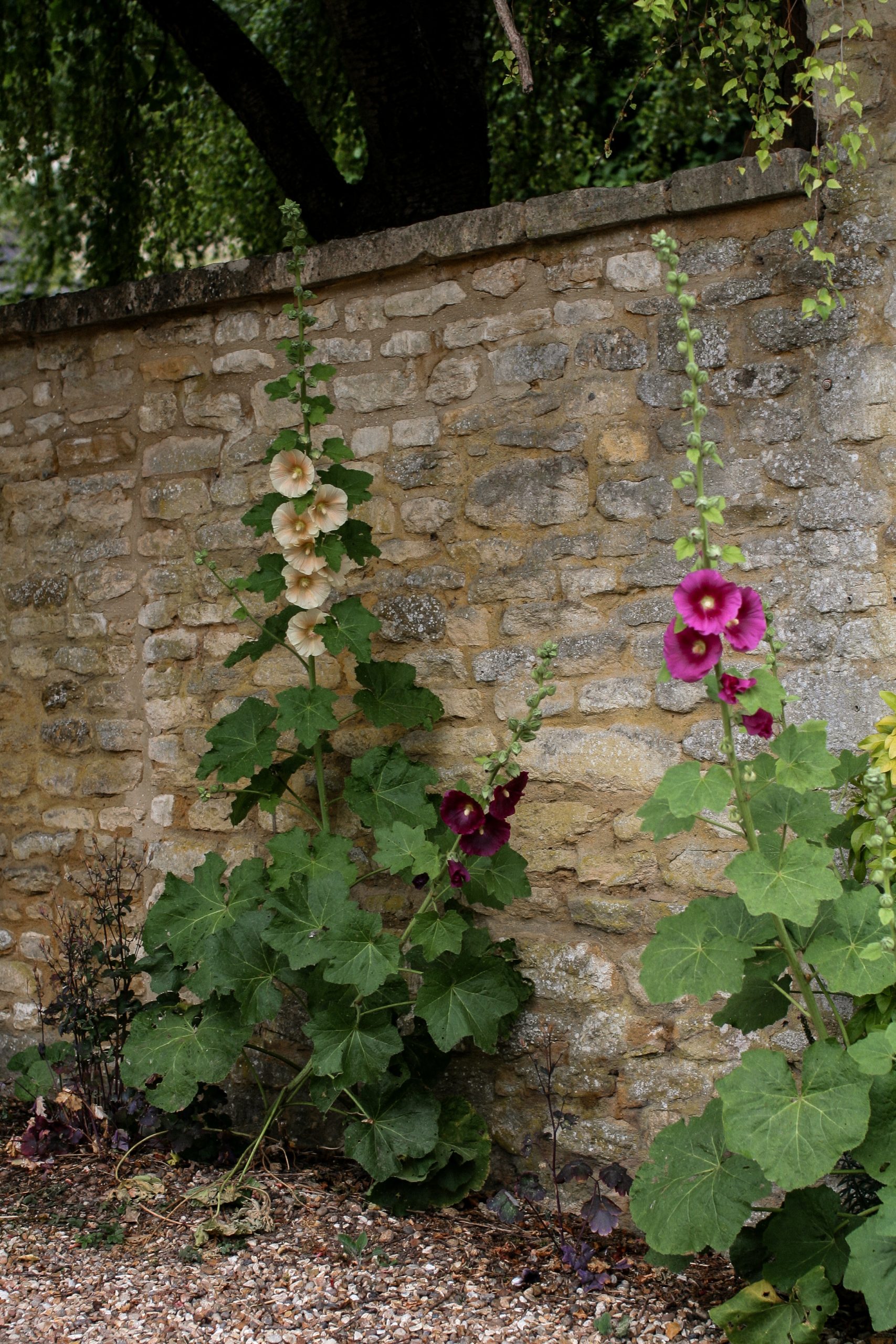
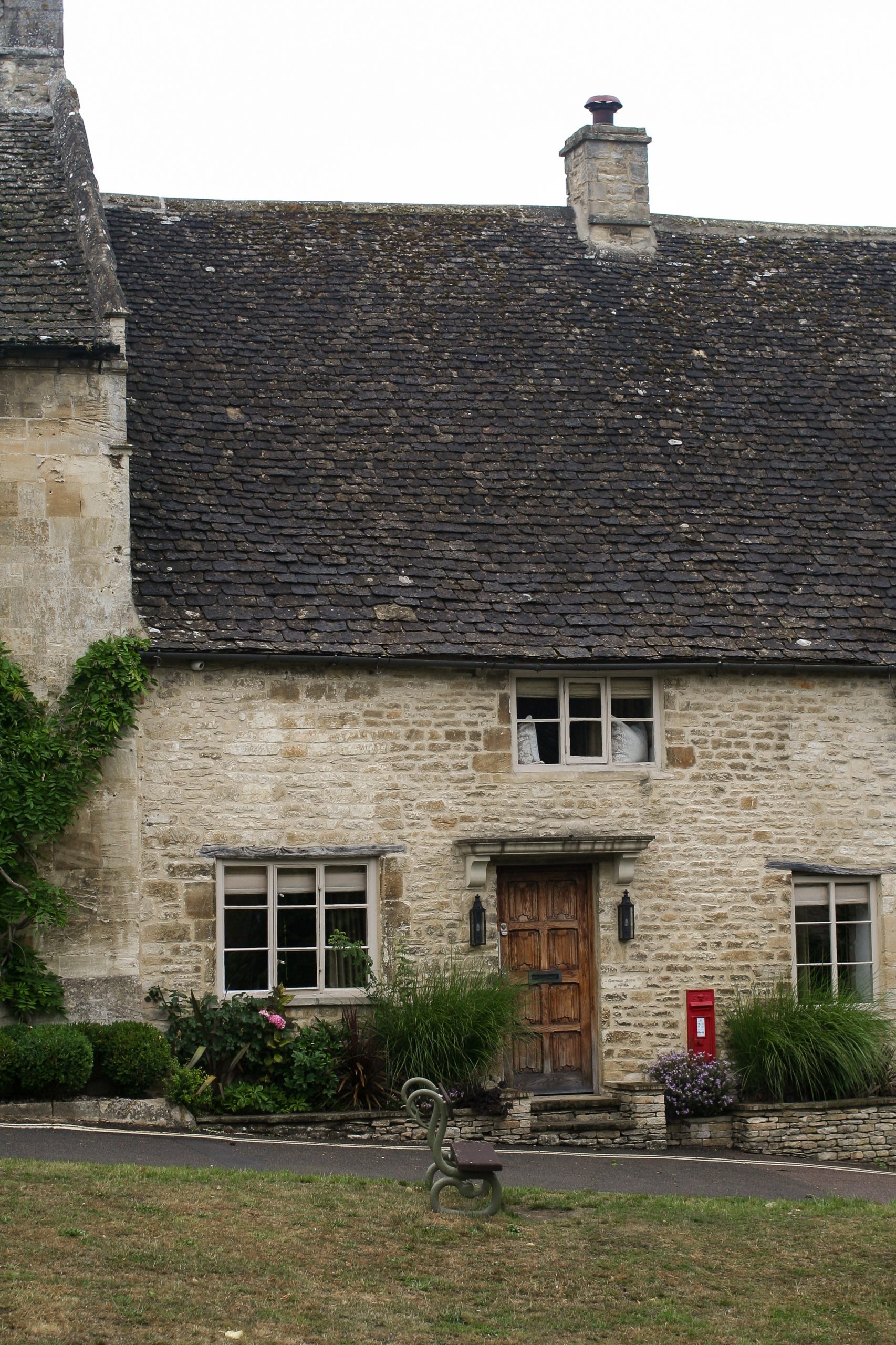
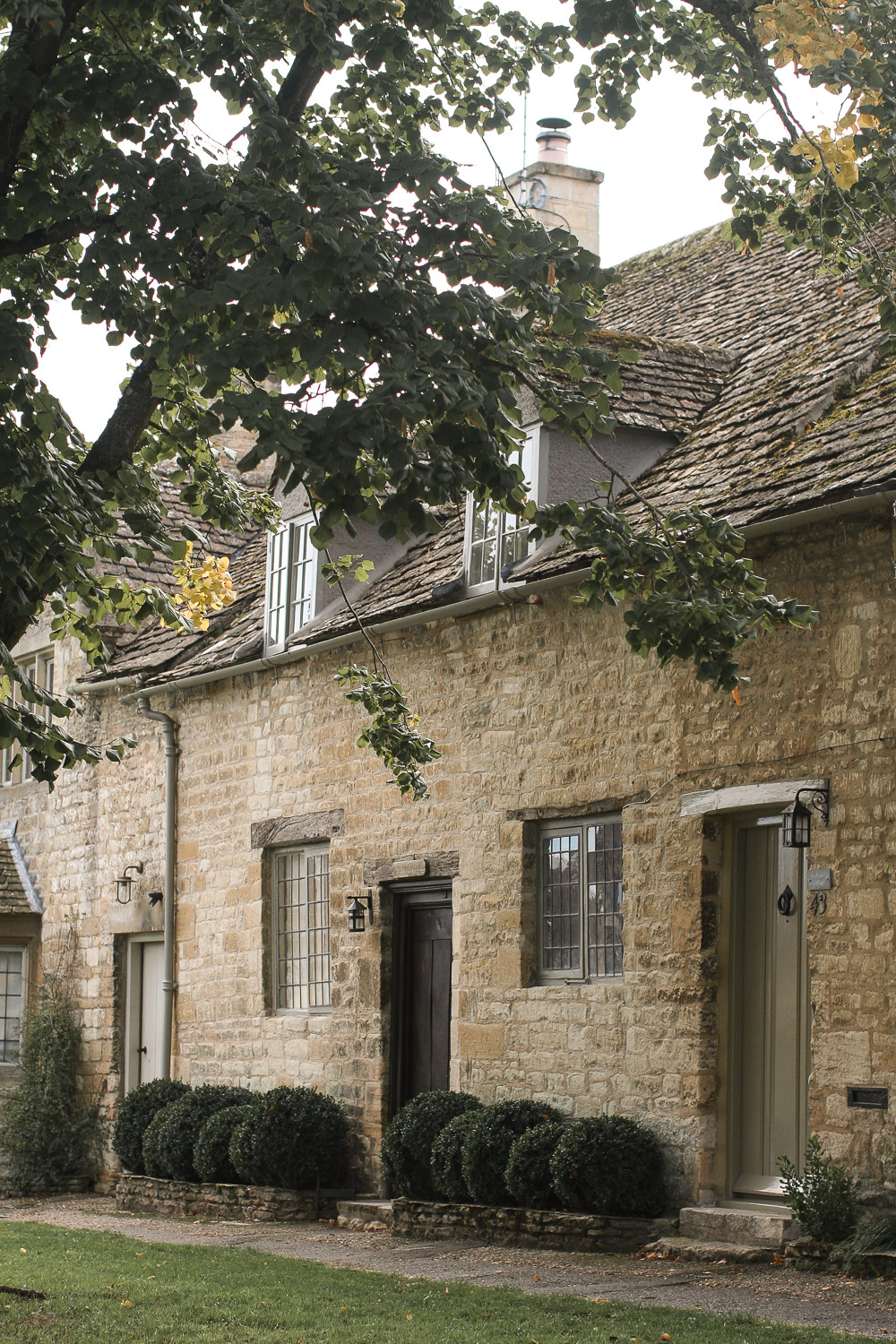
The Cotswolds area picturesque region in southwest England steeped in history that stretches back to prehistoric times. Traces of ancient settlements can still be seen in its Iron Age hill forts and the remnants of Roman roads. The name Cotswolds is thought to come from Old English, meaning sheep enclosures in rolling hills, a nod to the area’s agricultural heritage.
Today, the Cotswolds are celebrated for their picture-book villages, distinctive stone buildings and gently undulating countryside, interwoven with walking paths, bike trails and bridleways, earning the area official designation as an area of outstanding natural beauty. The National Trust offers a diverse range of places to explore across The Cotswolds, from historic houses and gardens, to ancient sites, set amongst a patchwork of commons, woods and valleys.
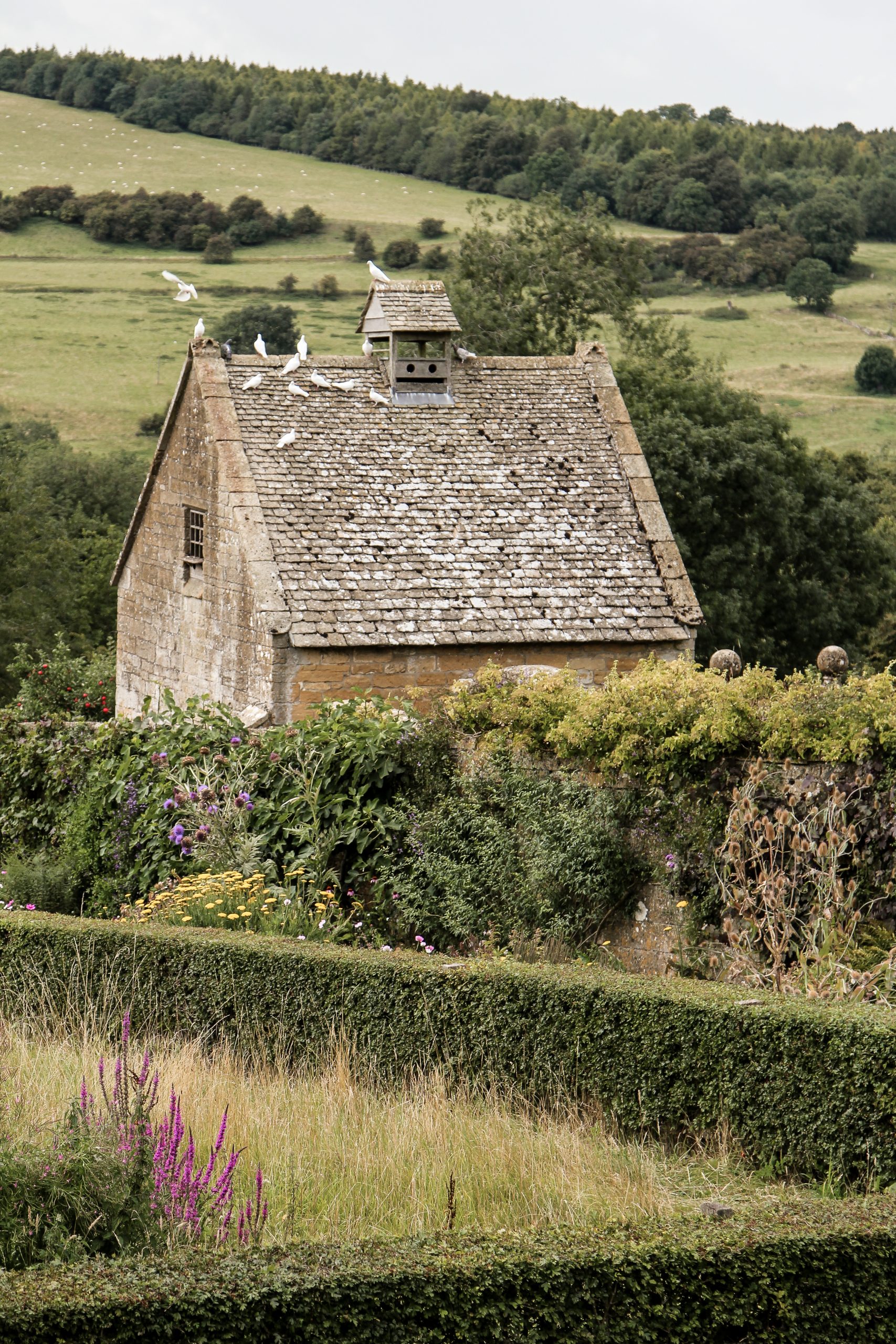
Charlbury, Chipping Norton
Bentham, Near Cirencester
Snowshill Manor & Garden, National Trust, Gloucestershire
Spanning several English counties—primarily Gloucestershire and Oxfordshire, with parts of Wiltshire, Somerset, Worcestershire, and Warwickshire—the Cotswolds are an ideal destination, whether you are planning a short visit or an extended stay.
The Cotswolds offers a rich tapestry of historic landmarks, idyllic landscapes, and characterful towns and villages waiting to be explored. Here we share some highlights of this beautiful region but there is much more to discover.
Cirencester, Gloucestershire
Burford, Oxfordshire
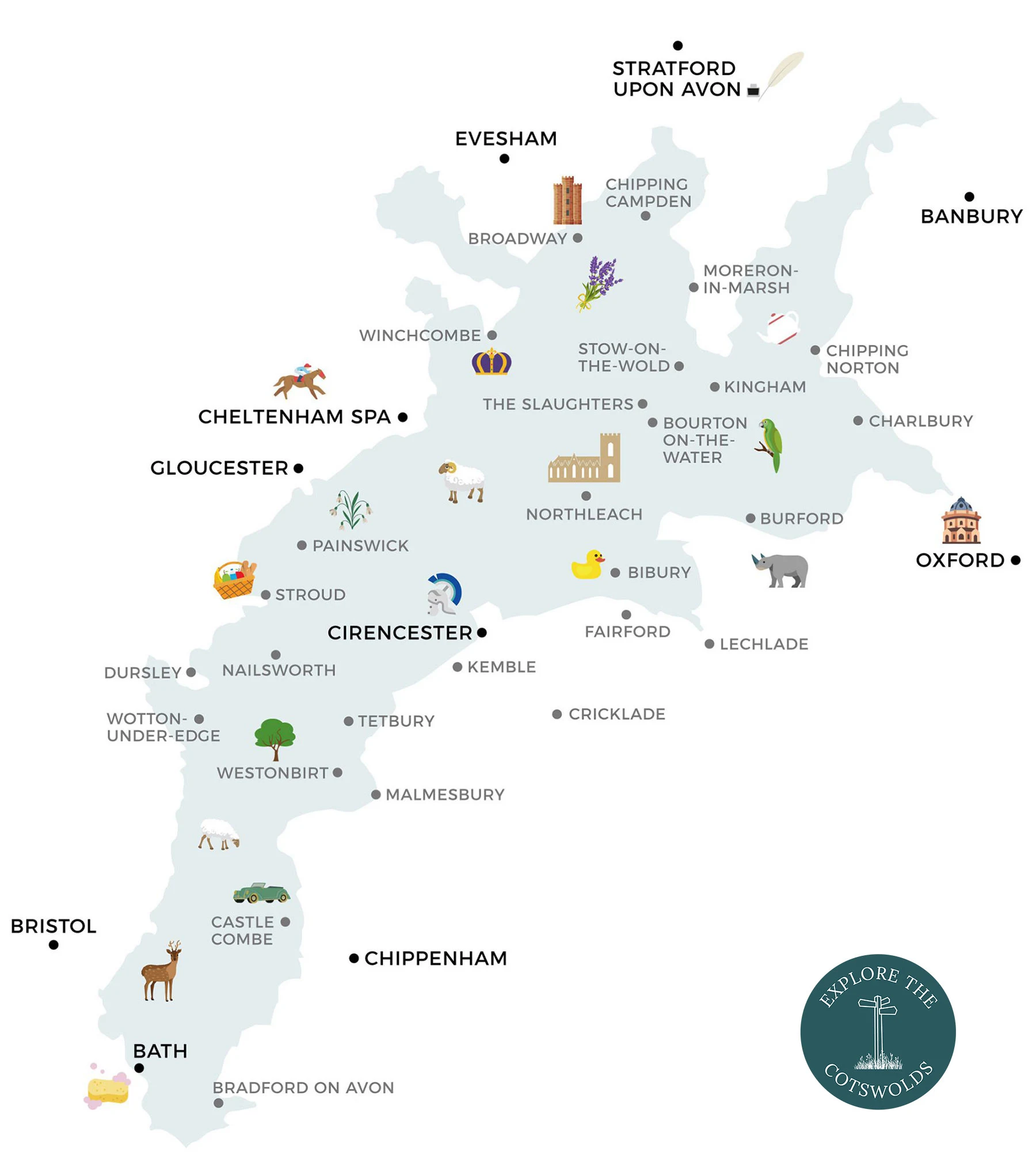
EXPLORE THE COTSWOLDS
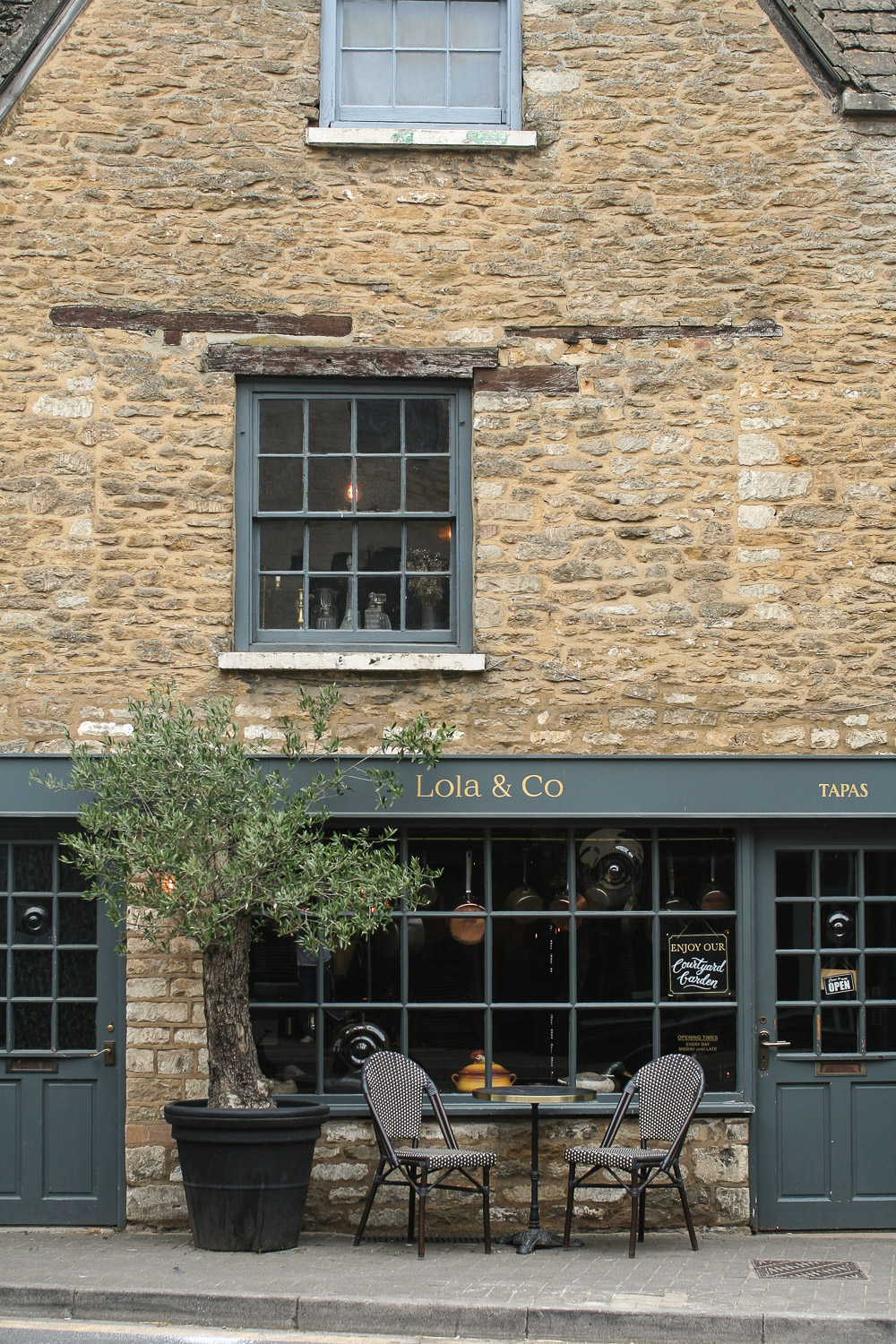
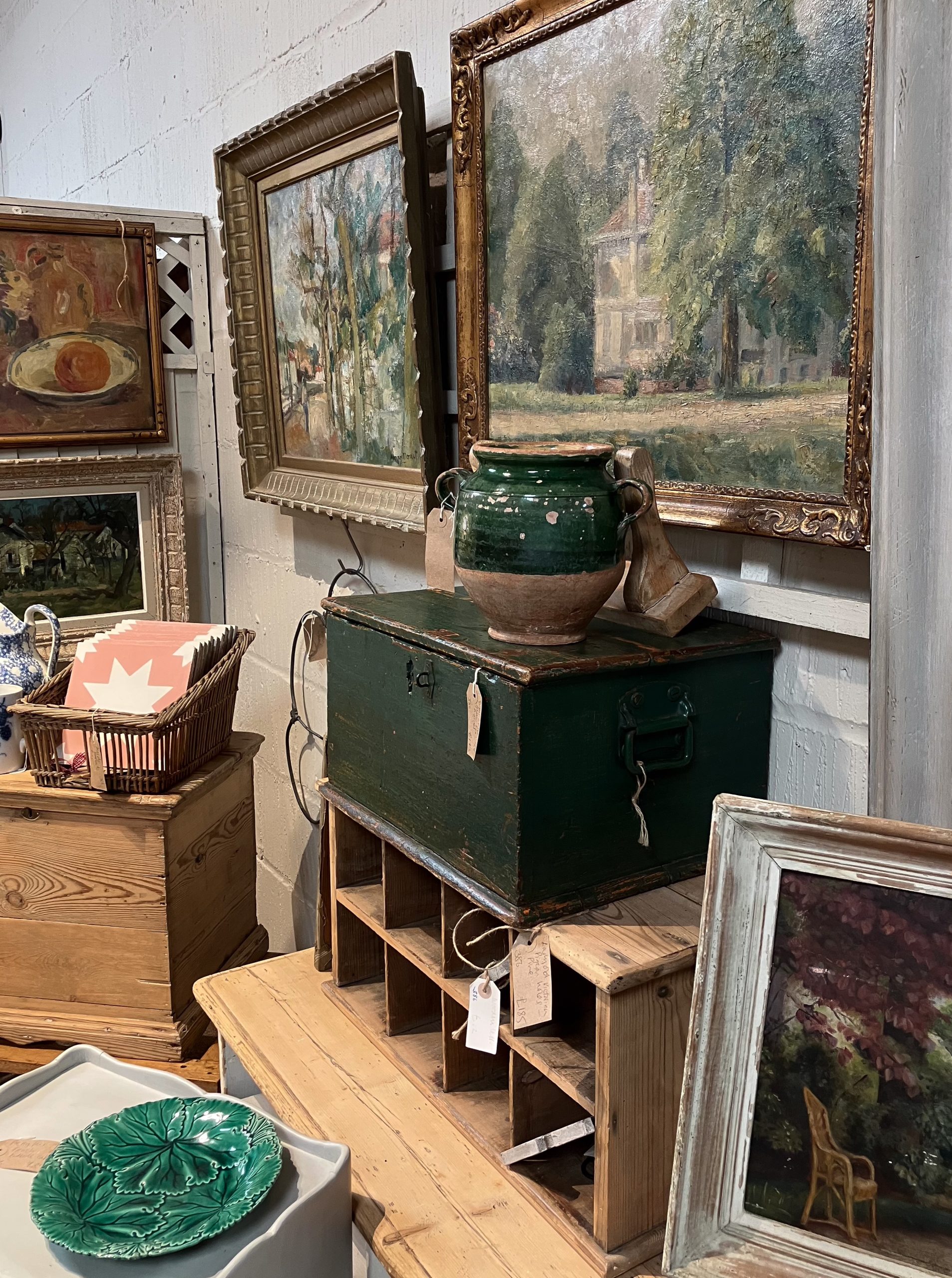
Tucked away in Gloucestershire, Tetbury is a charming market town with strong royal ties—home to King Charles III and Queen Camilla at nearby Highgrove. Beyond its regal connections, Tetbury is renowned for offering some of the finest shopping in the Cotswolds. While its antique shops attract collectors from far and wide, visitors will also find a delightful mix of independent boutiques, cafés, and artisan food and drink spots.
Places to visit nearby: Cirencester, Westonbirt Arboretum & Castle Combe
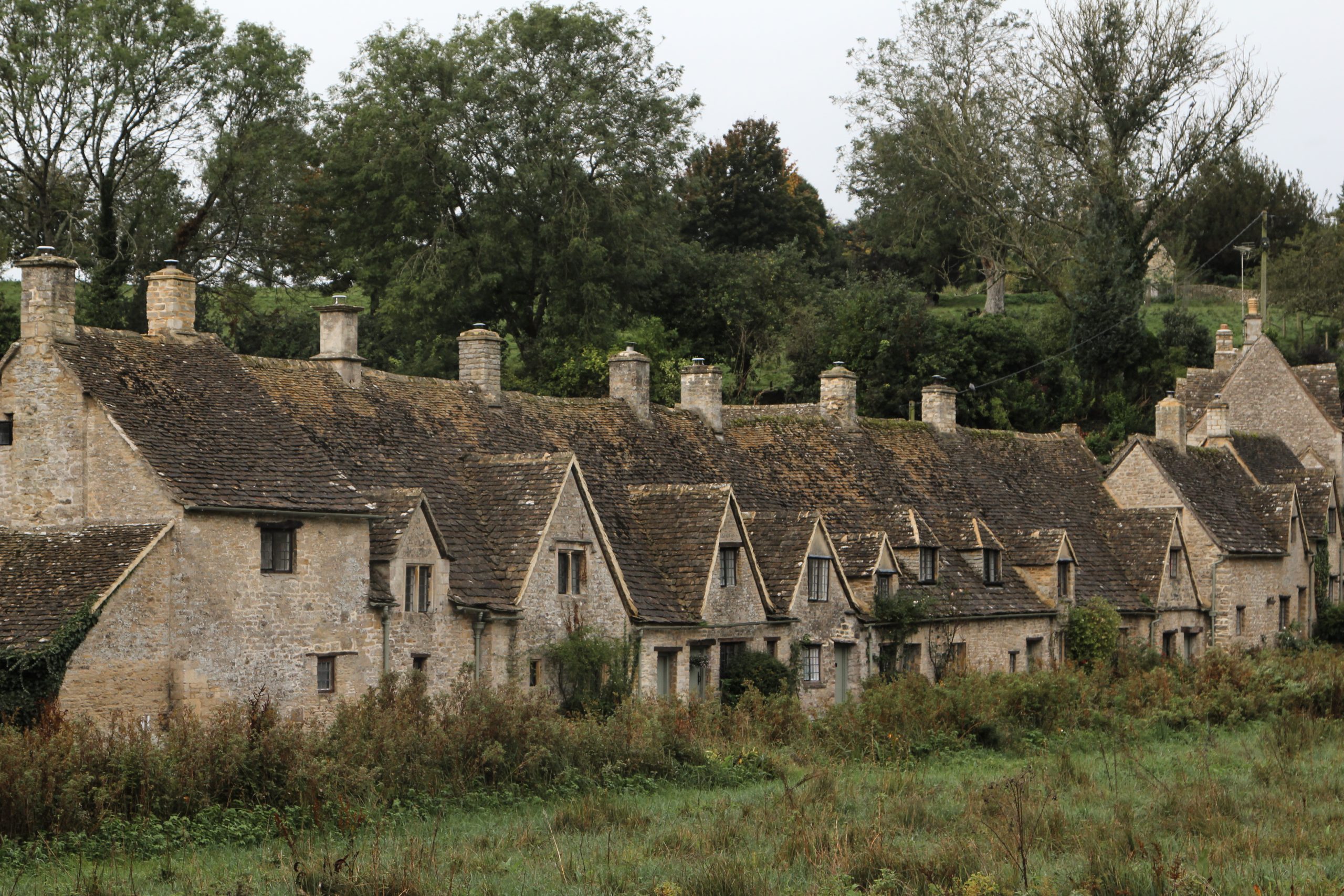
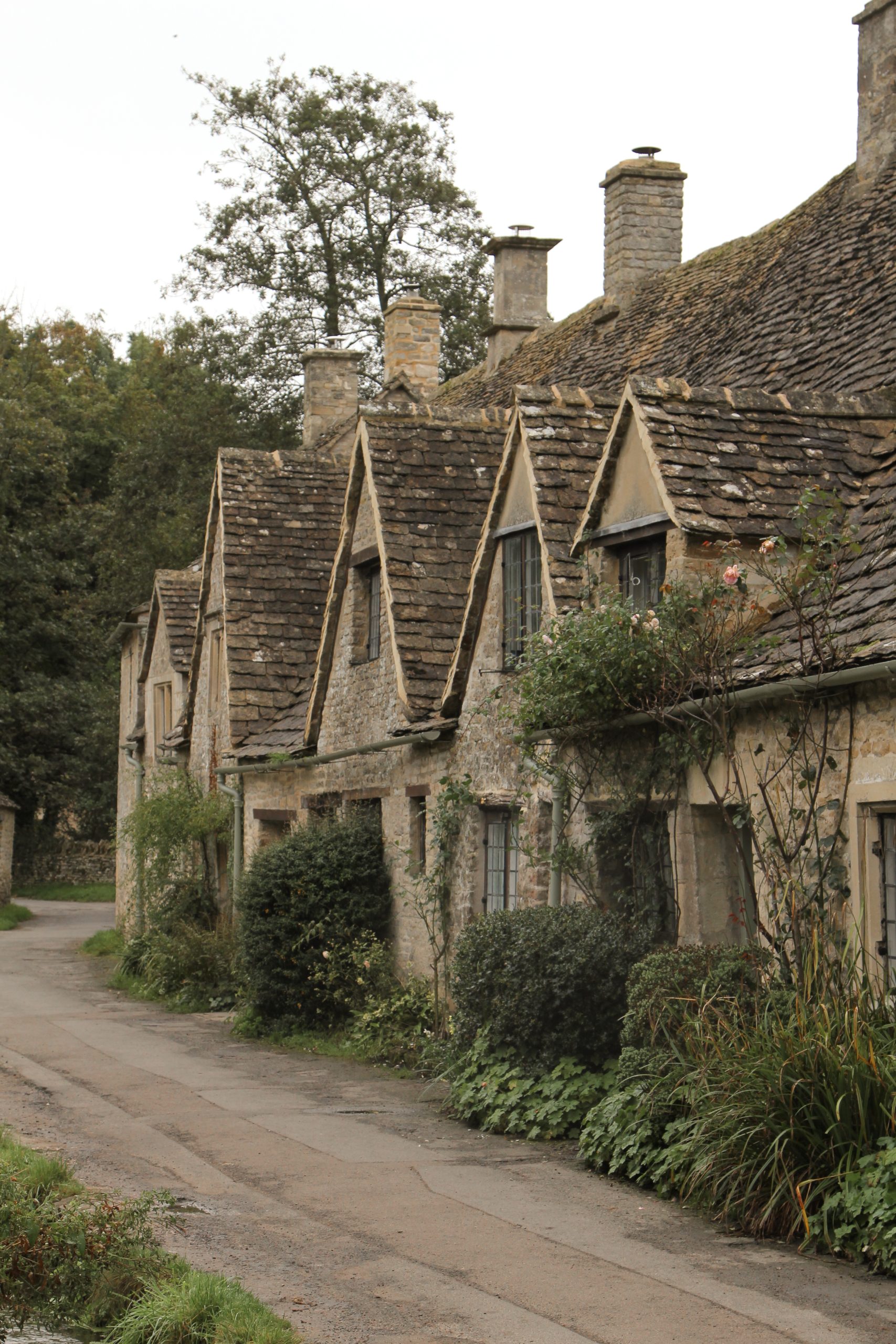
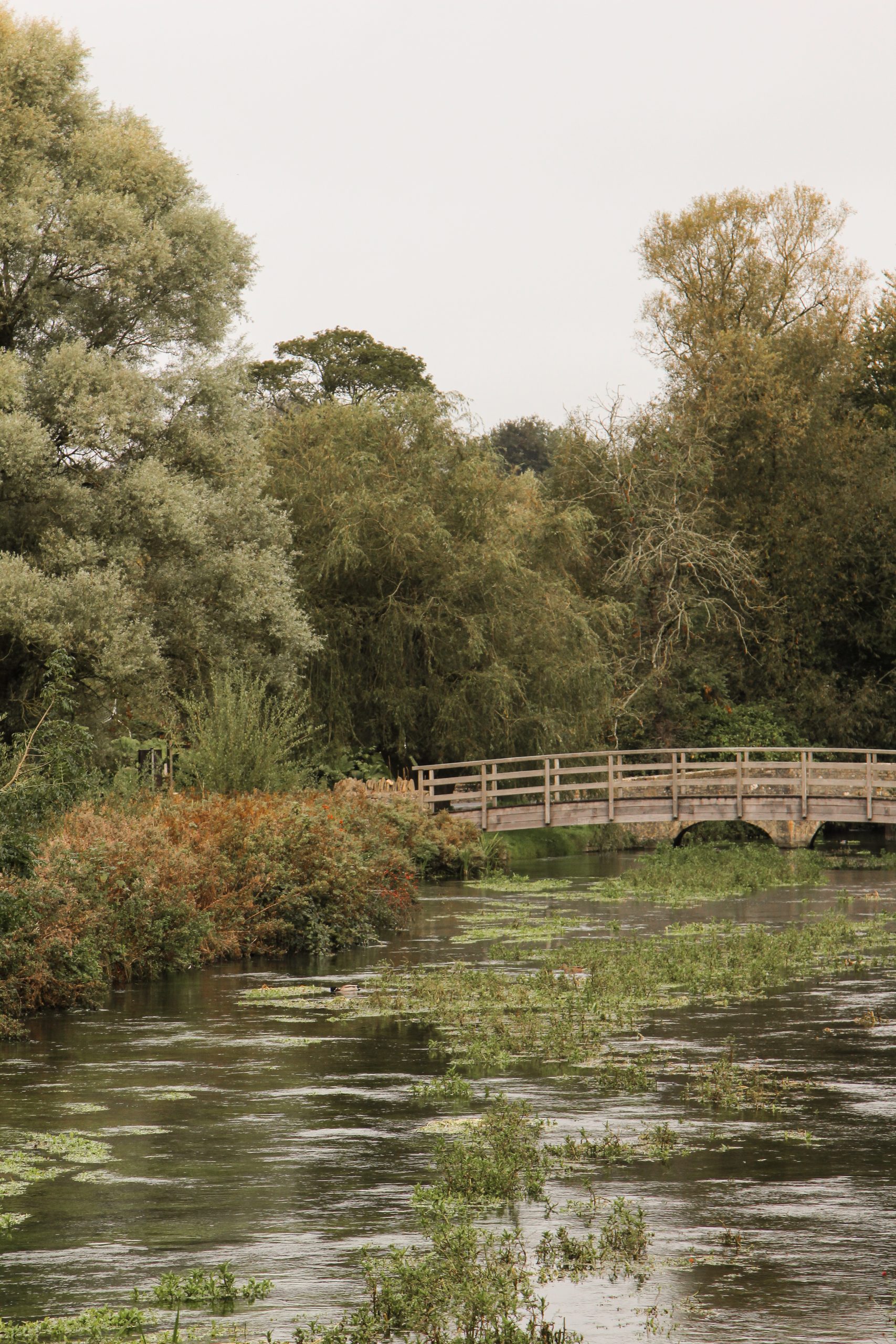
To the northeast lies Bibury, often described as one of the most beautiful villages in England. Famed for its picture-perfect Arlington Row, this idyllic village captures the essence of the Cotswolds with its historic stone cottages and tranquil river setting.
Places to visit nearby: Fairford, Eastleach, Southrop & Kelmscott Manor
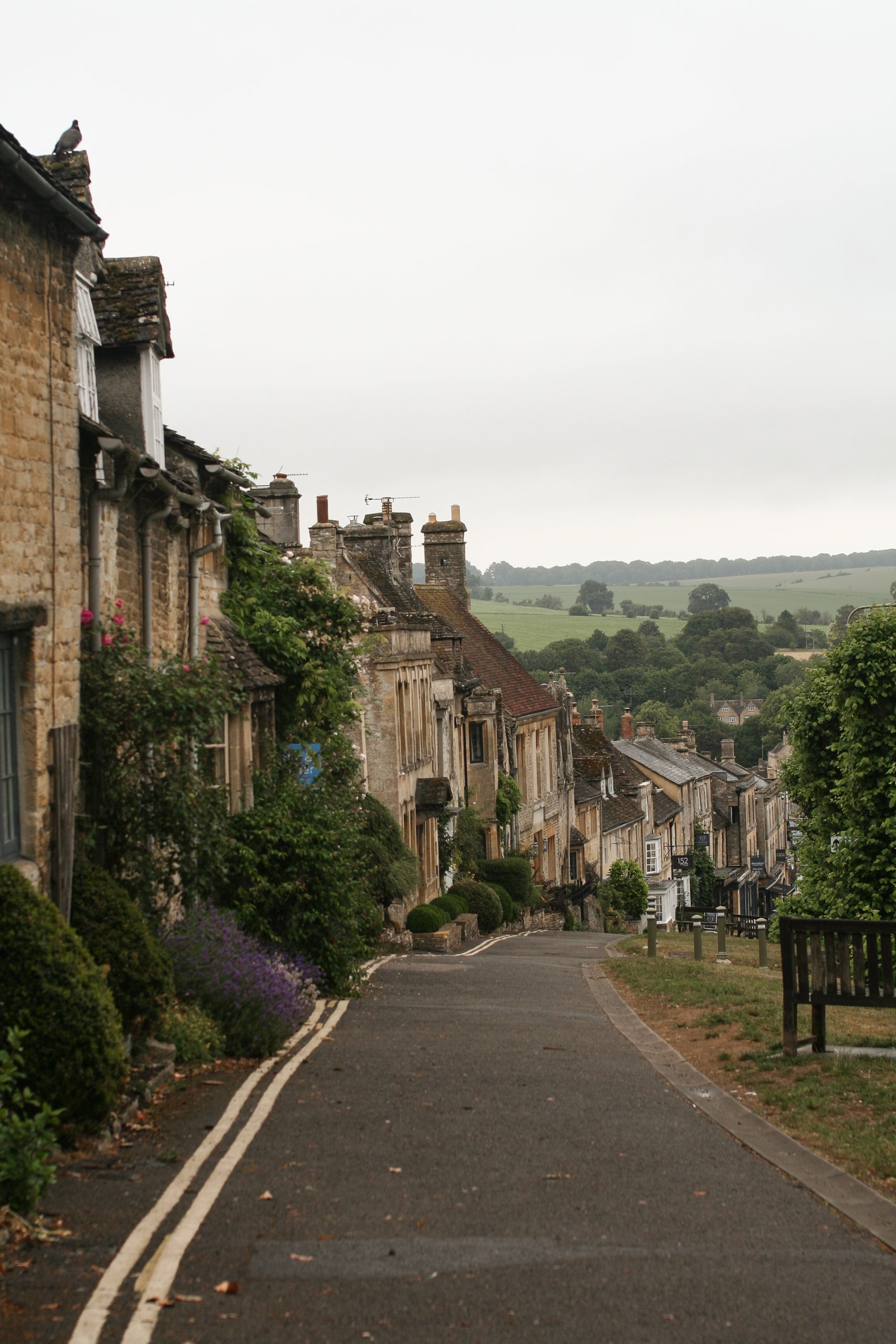
Nearby, the historic town of Burford offers medieval architecture, a sloping high street, and a vibrant mix of antique shops, independent boutiques, and cosy pubs. Just outside the centre of the town, Burford Garden Company is well worth a visit for its range of plants, homewares, art, and locally sourced food in a wonderfully relaxed environment.
Places to visit nearby: Charlbury & Asthall Manor
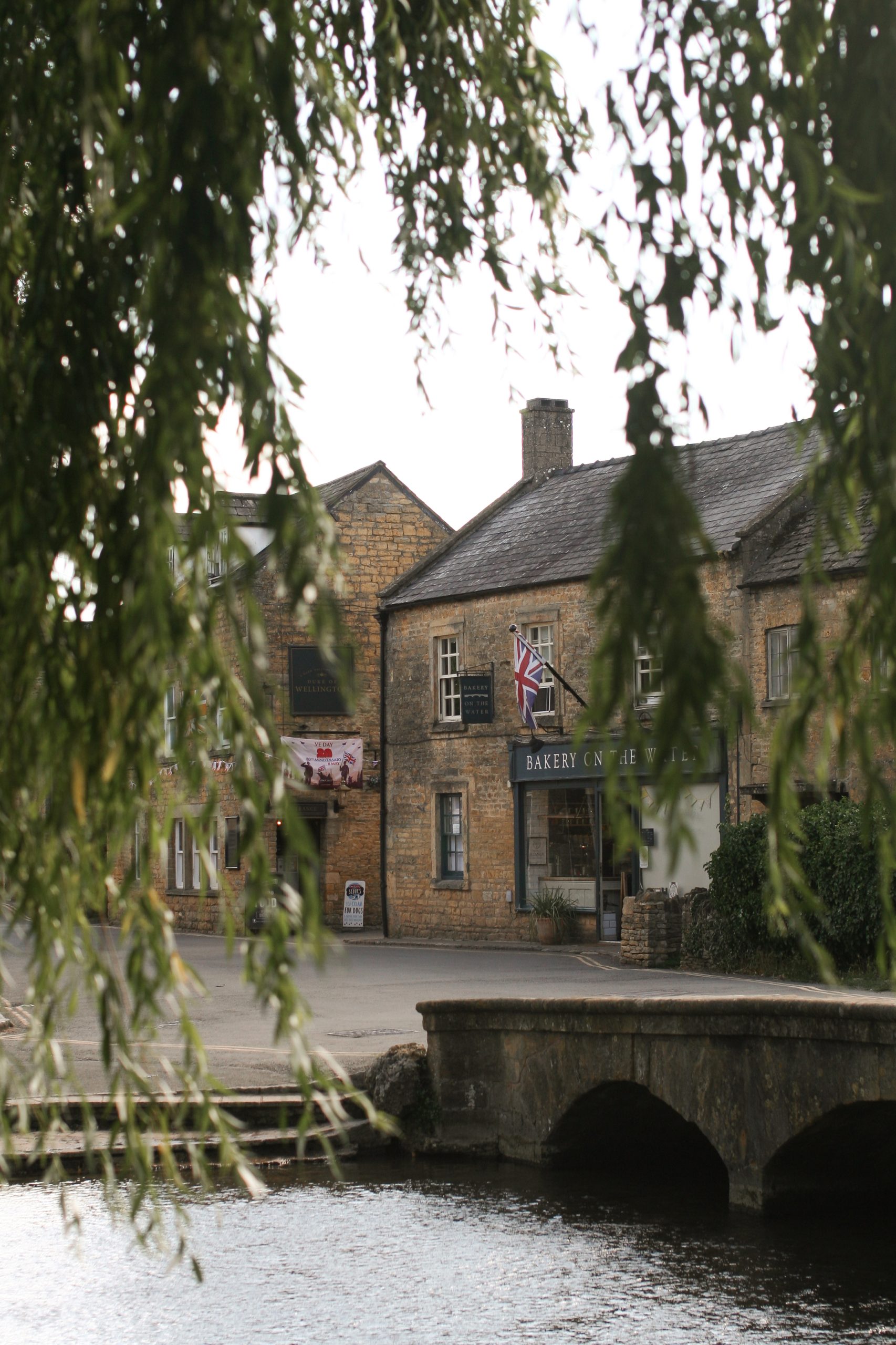
Another must-visit village is Bourton-on-the-Water, affectionately known as the Venice of the Cotswolds thanks to its graceful low bridges arching over the River Windrush. Explore the vintage car collection at the Cotswold Motoring Museum, or simply wander the riverbank, browsing quaint shops and enjoying traditional tea rooms.
Places to visit nearby: Lower Slaughter & Kingham
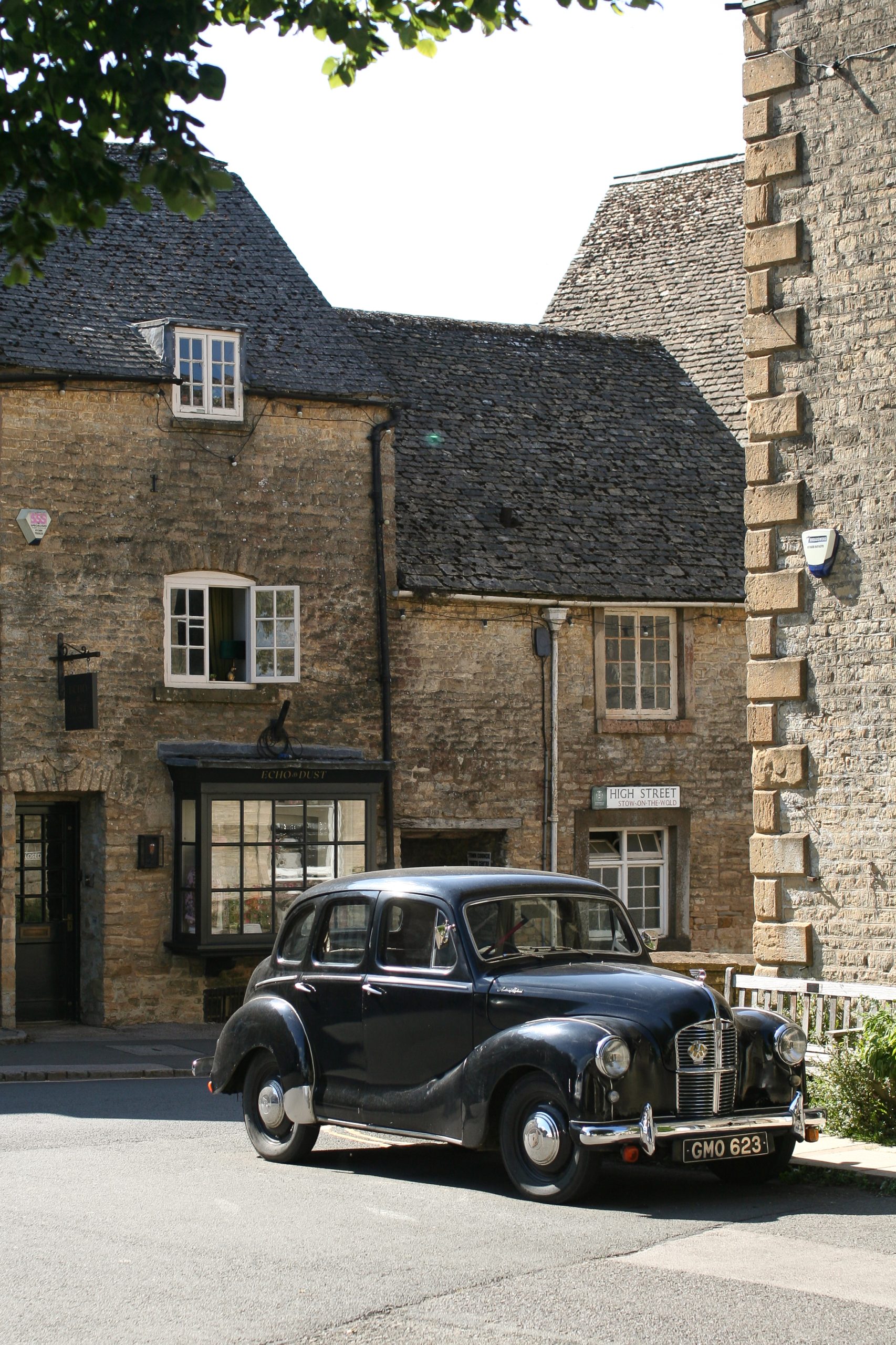
To the north, Stow-on-the-Woldcaptures the region’s timeless appeal with its honey-hued buildings, narrow medieval lanes, and a charming market square surrounded by antique shops and cafés.
Just a few miles northeast of Stow lies Moreton-in-Marsh, a lively market town which has a direct rail link from London. Its broad high street is lined with historic inns, independent shops, and cafés, while the weekly Tuesday market, one of the largest in the region, adds to its bustling charm.
Places to visit nearby: Broadway & Chipping Campden
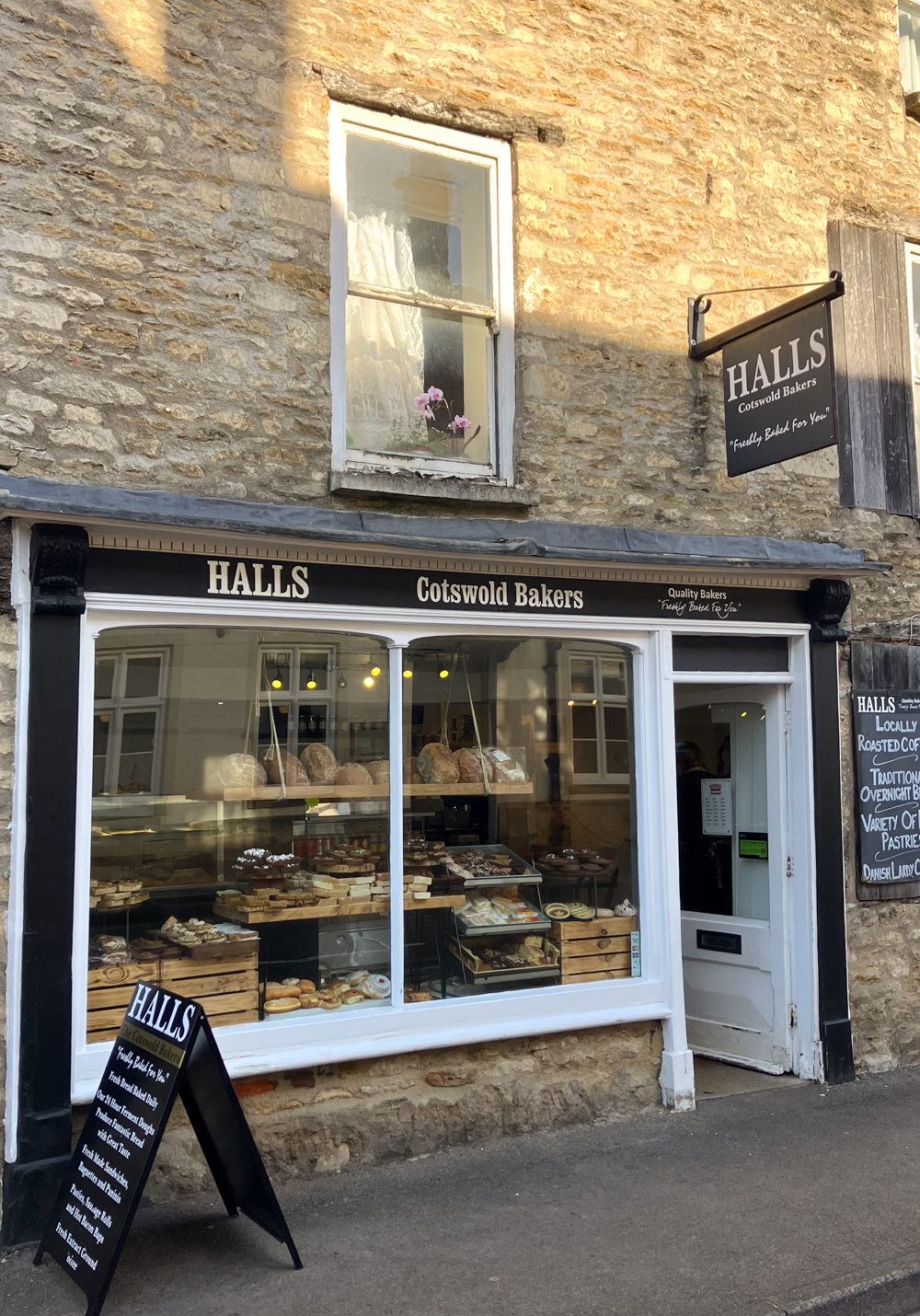
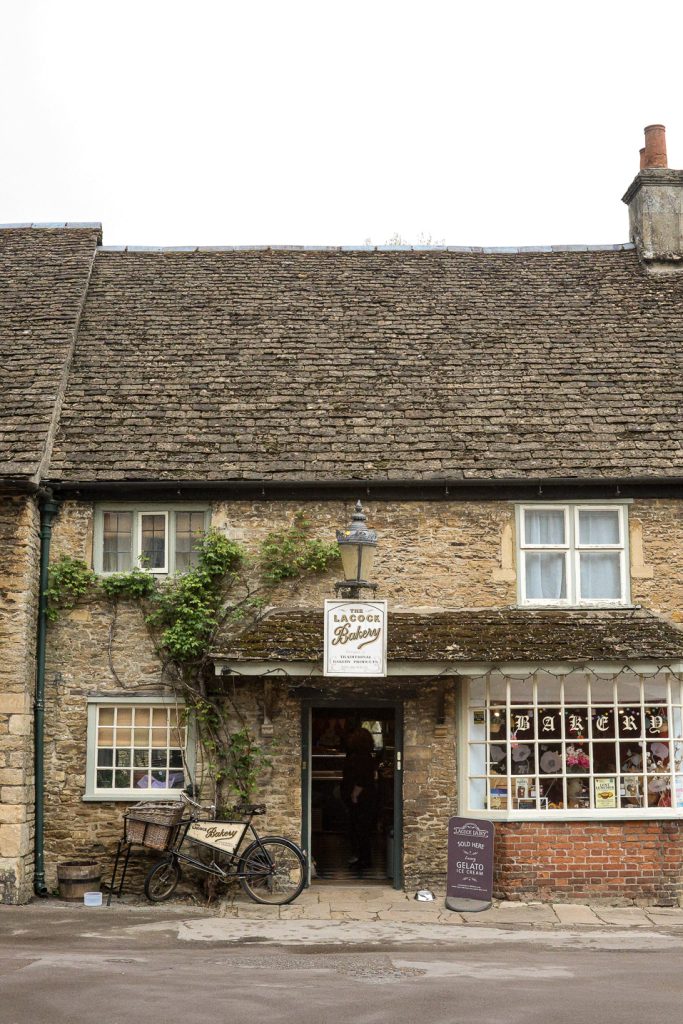
The Cotswolds are also celebrated for delicious food and drink, with lively farmers’ markets and farm shops offering fresh, seasonal produce. Across the region, traditional English pubs and historic inns offer hearty meals alongside locally brewed ales, while acclaimed restaurants serve refined dishes that highlight the very best of Cotswolds ingredients.
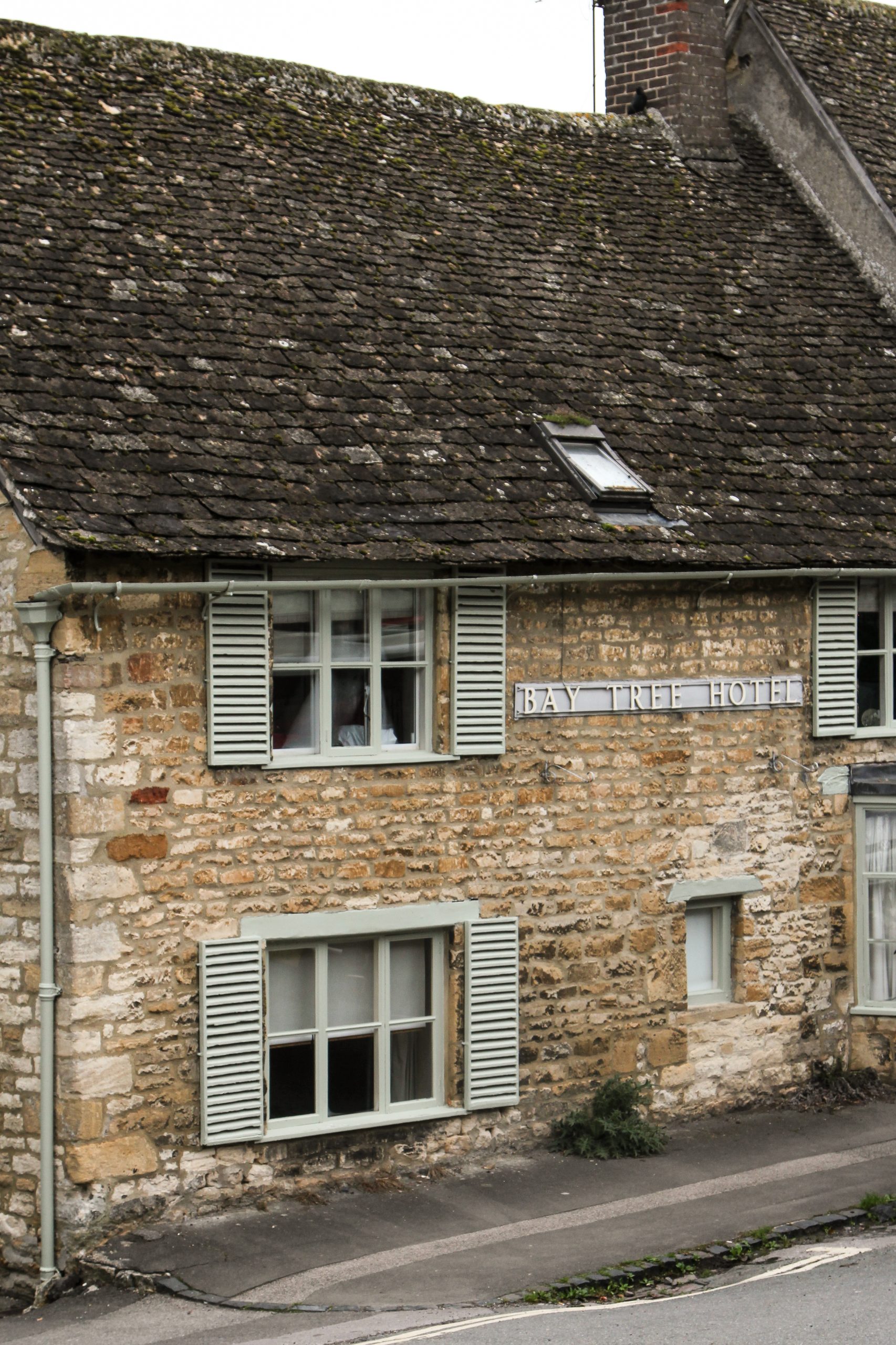
You can also discover a wide range of accommodation options in the Cotswolds to suit every taste and budget. From elegant luxury hotels and boutique inns, to charming bed-and-breakfasts and countryside cottages, The Cotswolds ensures a welcoming and comfortable stay for every traveller.
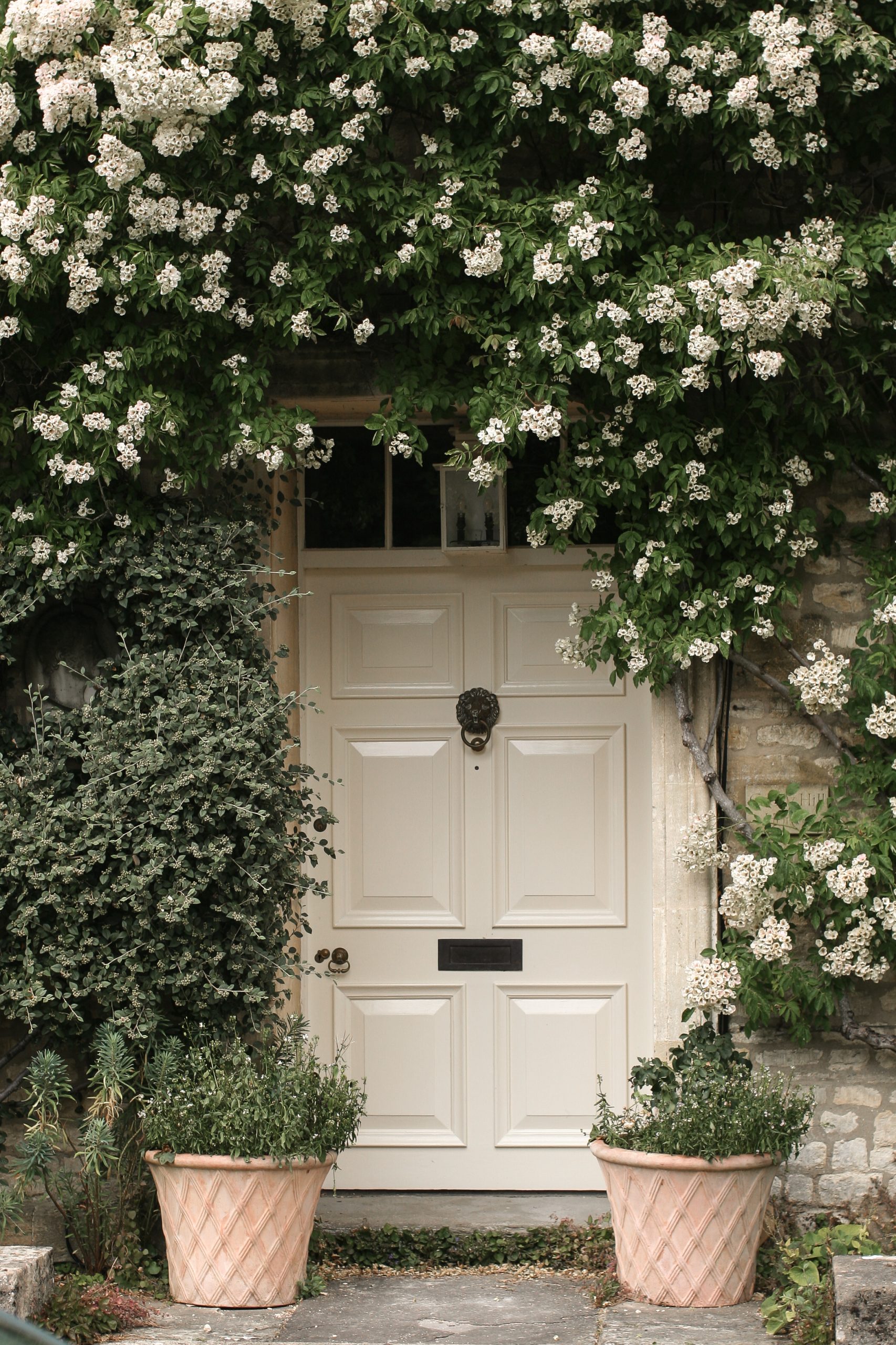
Burford, Oxfordshire
Burford, Oxfordshire
Barnsley, Gloucestershire
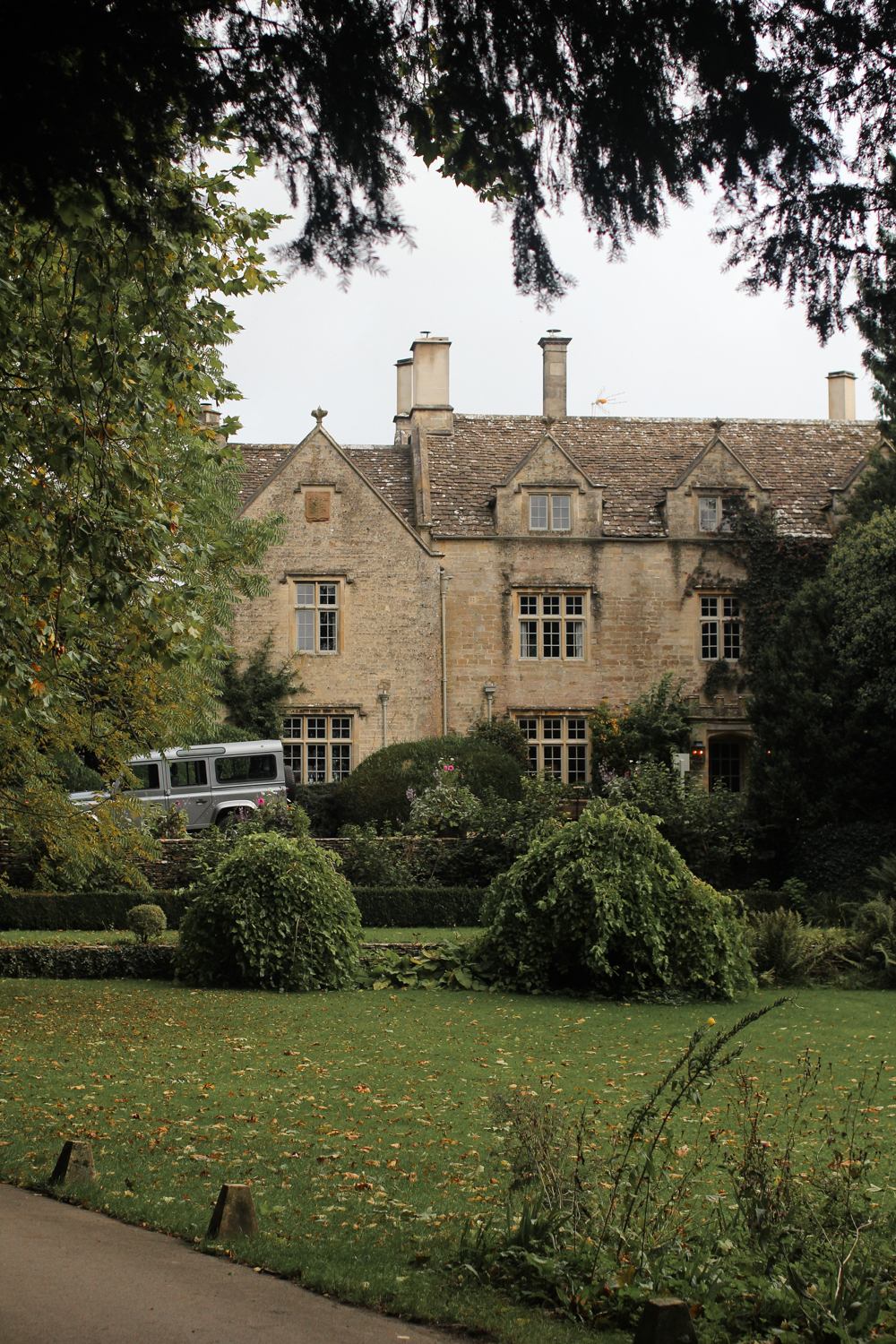
Living in the South Cotswolds, the natural beauty and rich history come together to inspire all that we do. Whether you are seeking a peaceful getaway, a cultural adventure, or simply a chance to relax and enjoy the countryside, the Cotswolds has much to offer. We hope this guide may inspire you to visit and discover this beautiful corner of our world.
For more Cotswolds inspiration, visit our gallery on Pinterest
Share this entry:
At Home with Harriet Thistlethwayte
At Home with is an ongoing journal series exploring the homes of thoughtful creatives. Through conversations and photography, we discover what home means to them, the values that shape the way they live, and the details that make each home unique. Though every story is different, home is always at the core.
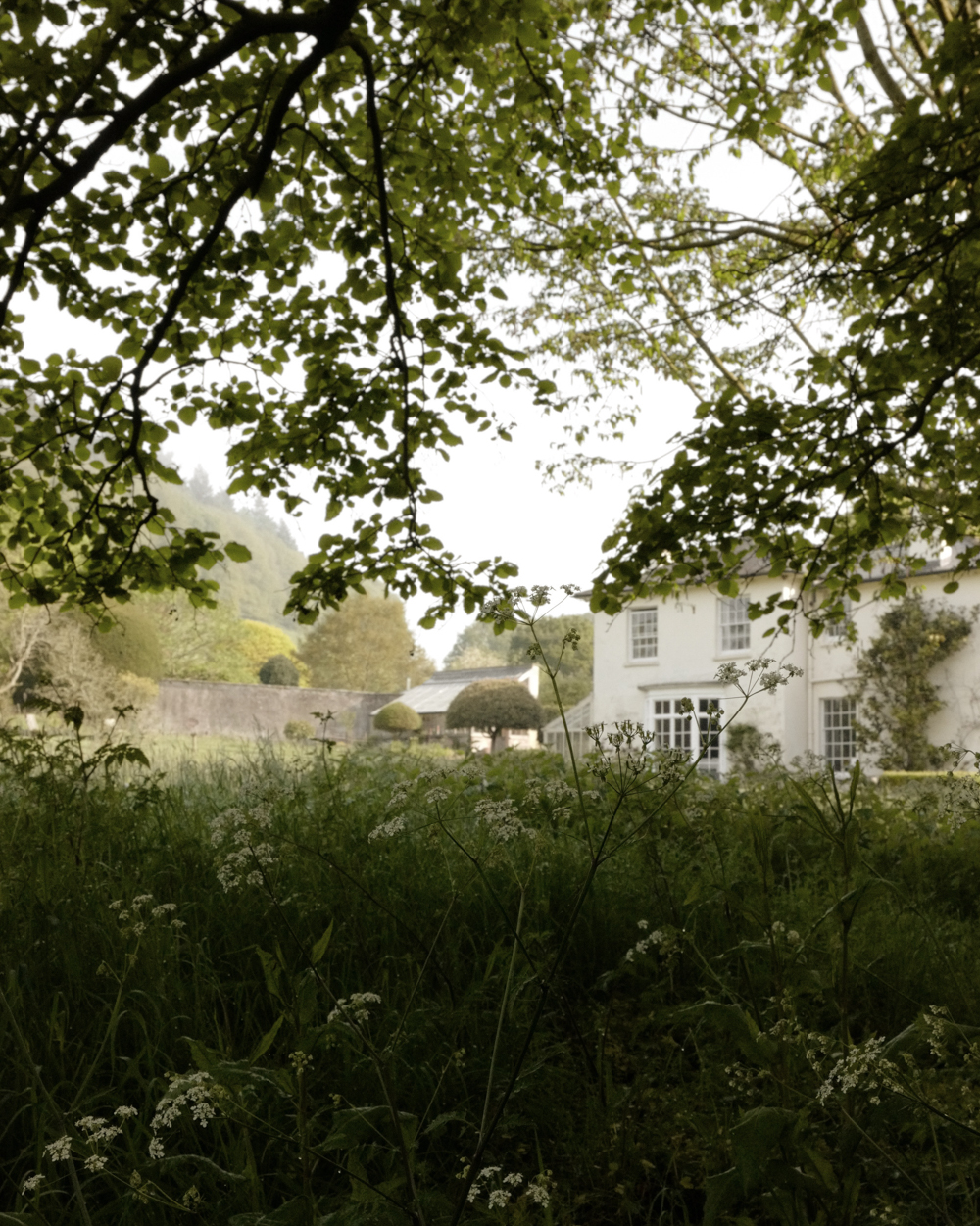
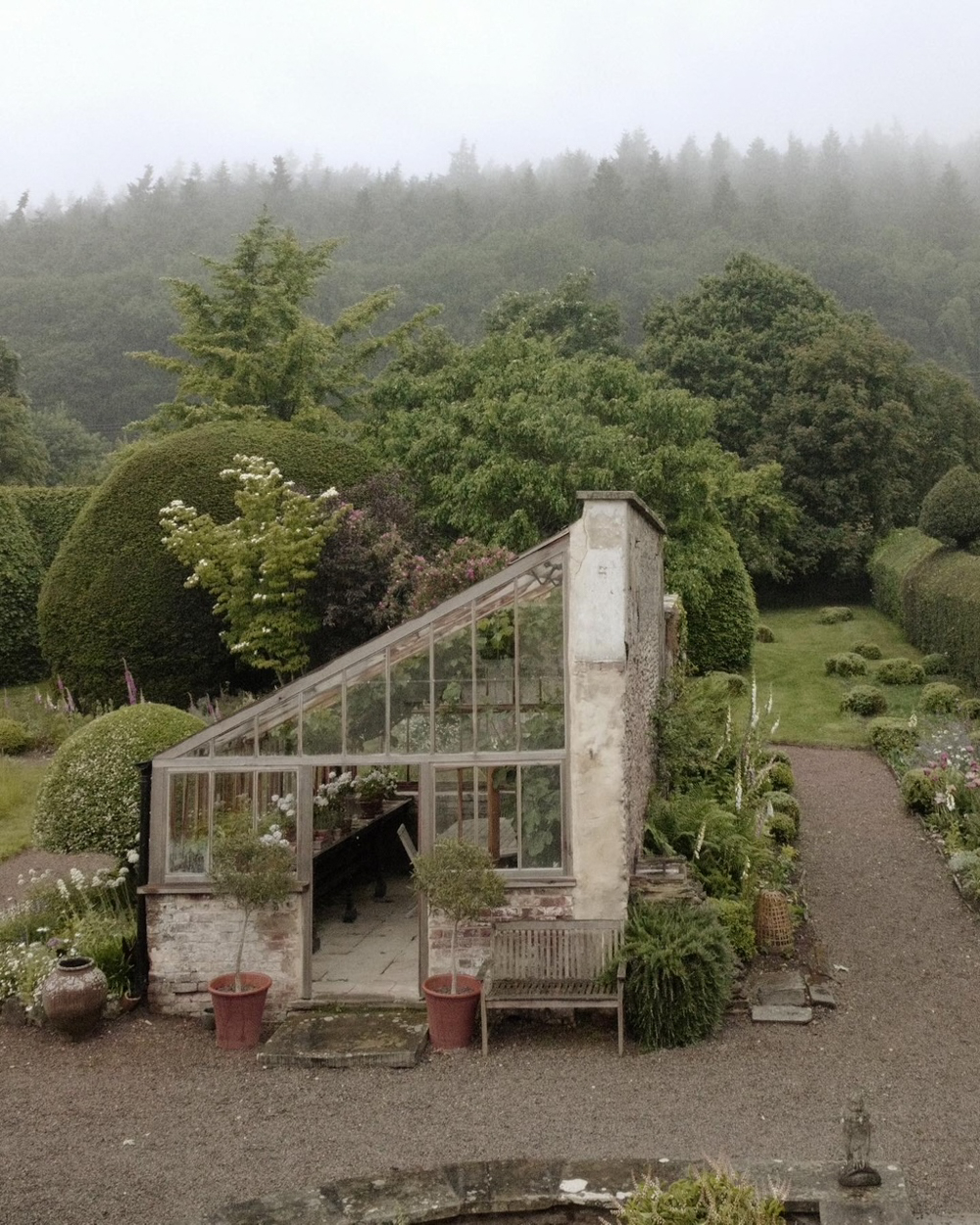
Our latest story takes us to the Herefordshire countryside in England where we visit Harriet Thistlethwayte. Nestled among beautiful gardens, historic farm buildings and an enchanting Victorian greenhouse, Harriet’s Georgian farmhouse beautifully reflects a deep connection to nature. Through her Instagram account @yomargey, she recounts her passion for gardening, antiques and living seasonally, which inspire interiors that feel effortlessly relaxed and full of character.
Step inside Harriet’s inviting indoor and outdoor spaces to discover her unique story of home and the values that shape it.
Tell us a little about yourself and your background.
I live in rural Herefordshire with my husband Thomas, Sybil the labrador and three cats. We have four children, who come and go from the house, two grandchildren, and an engineering business. Originally a cook by profession,who I am now really depends on what day of the week it is. Some days I’m a gardener, sowing seeds, growing flowers for the house and vegetables to eat. Some days I’m Granny, in charge of two darlings. Some days I’m finance officer, helping our small company run smoothly, and other days I’m a housekeeper, playing catch up and getting the house ready for the next visitors. But perhaps my favourite days are the ones when I am creative. Cutting fresh flowers from the garden and arranging them for the house, photographing my garden as a form of journalling. Rearranging rooms and sourcing vintage pieces, or just pottering in my studio shed.
Where do you call home and what is it like?
Our home is situated at the bottom of a valley in the Herefordshire countryside. Surrounded by farmland and a large wood at the top of the hill behind the house, it feels very rural, and except for the rumbling of the odd tractor very quiet. The house is Georgian with later additions, but not grand at all. Originally a farmhouse, the back door leads to a cobbled courtyard with garages and stables, and beyond that some Victorian farm buildings.
What does home mean to you?
Home is where I am happiest, where I feel grounded and calm, but also energised and creative. Being Cancerian the security that my home provides is very important to me, and I also relish creating a comfortable, cosy atmosphere for my family and friends when they visit.
How would you describe your aesthetic and style?
My style is rooted in nature, reflecting the world outside our home. I like warm earthy colours and always use natural materials, like wood, stone and linen. Texture is also important to me, I love tactile surfaces and fabrics. Relaxed, comfortable surroundings are what I strive for when planning a room.
Which is your favourite space in your home and why?
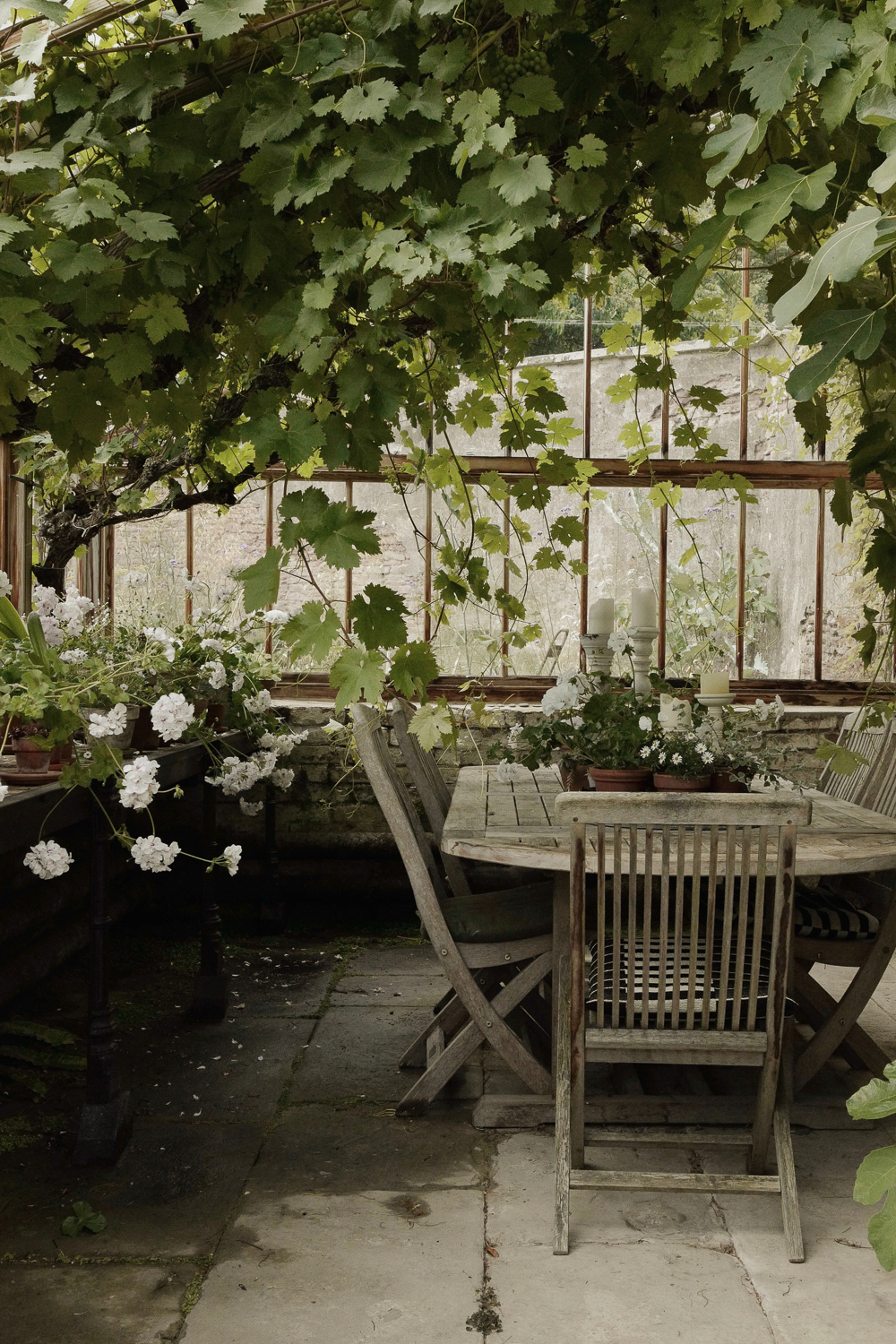
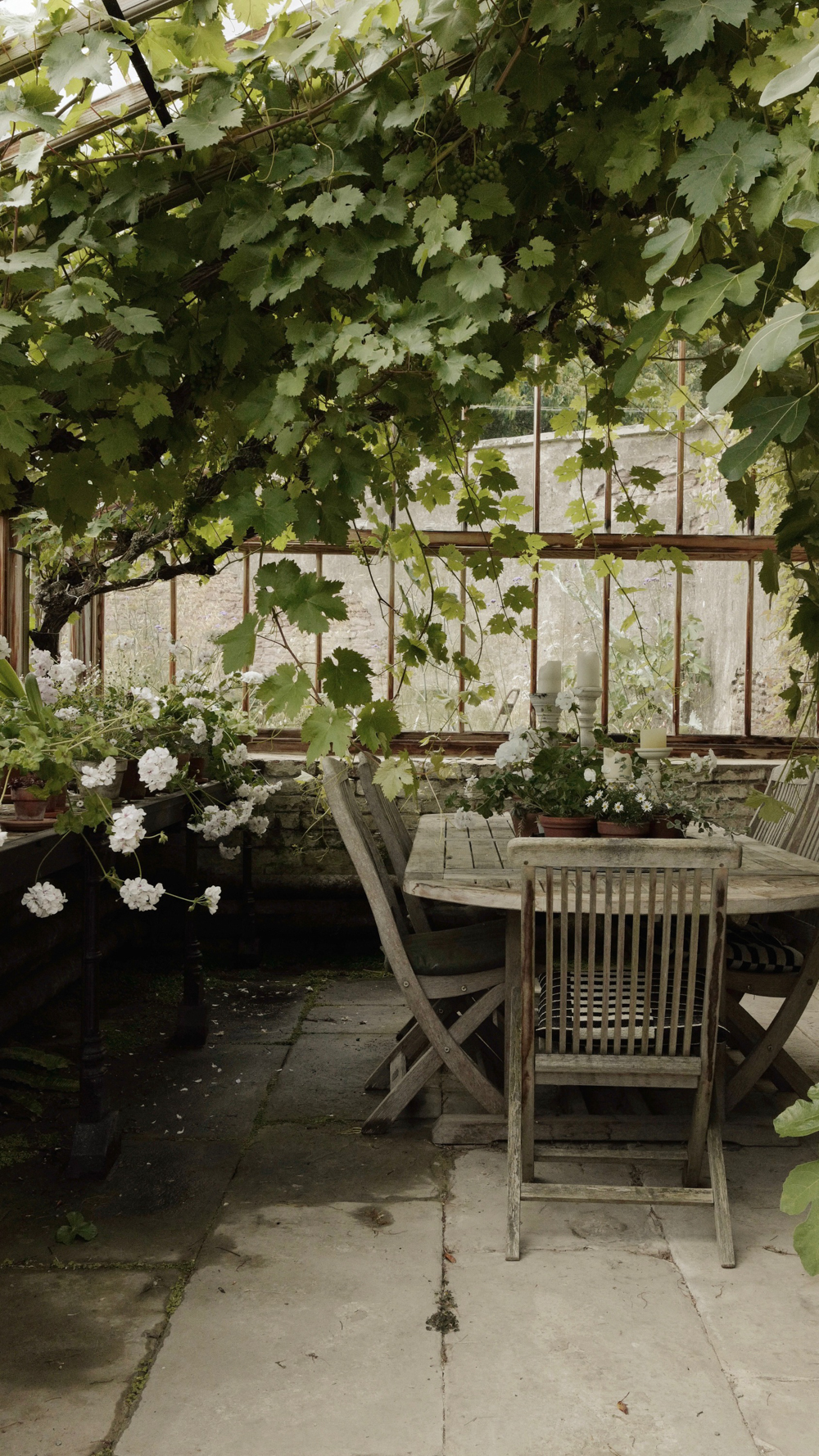
My favourite space is actually outside the house, it is our Victorian greenhouse that we completely renovated in 2019. We have vines growing here and a fig tree, and also a large dining table. So this room combines two of my favourite things, gardening and gathering with friends to eat.
How do you choose what to bring into your home?
I like objects to have a story, so I buy most things second hand. I love the idea of being a caretaker of pieces, just part of their journey. New furniture has very little allure for me, and anyway the process of finding vintage pieces is hugely enjoyable. Going to an antique fair or flea market is my favourite sort of day out.
Where do you find inspiration for your home?
I think inspiration is all around us. For me this is the world outside my door, the colours of the countryside, and its natural elements all play a large part in guiding my choices. Also books and magazines are great source of ideas, and films too.
Who do you most admire for their sense of style, ethos and aesthetics?
My mother has had a huge influence on me. From the way she grew all the vegetables that we ate to her huge knowledge of furniture, I now realise that so much of my way of life is based on her ethos. She forged a truly sustainable life decades before it became a desirable and necessary way of living, I admire her so much for this. She was also a hugely enthusiastic person who’s positive outlook and joy in the company of others shone out. Every day I aspire to live my life in a way that celebrates her and everything she stood for.
Follow Harriet on Instagram to discover more about her beautiful inside and outside home spaces in rural Herefordshire.
Photography: Harriet Thistlethwayte
Share this entry:
At Home with Gillian Stevens
At Home with is an ongoing journal series exploring the homes of thoughtful creatives. Through conversations and photography, we discover what home means to them, the values that shape the way they live, and the details that make each home unique. Though every story is different, home is always at the core.
Our first story brings us to a small town just outside of Vancouver, Canada where we are so pleased to visit clothing designer Gillian Stevensand share a home and business with integrity at its core. Combining thoughtfulness with classic designs and organic fabrics, Gillian’s beautiful collections carry meaningful stories and are made to last. We love the simplicity of her pieces which strike a perfect balance between comfort and elegance.
The use of neutral colours and natural materials within both her work and home are soft and timeless and elements that really resonate. The value of enjoying and treasuring good quality products that have longevity is one which we wholeheartedly share. Gillian’s passion for her family, home and work shine through all that she does and it is inspiring to see the world through her lens.
Gillian’s spaces are warm, calming and inviting and we do hope you enjoy her story of home.
Tell us a bit about yourself.
I’m a wife and mother of two boys (with our third child arriving September). I own a women’s clothing brand focusing on timeless pieces all responsibly made. Before my brand launched two years ago, I was a freelance lifestyle photographer. I am a naturally creative person, I have always been drawn to artistic expressions. I love the combination of motherhood and owning my own business. It’s truly my dream come true.
Where do you call home and what is it like?
We live in a neighbourhood just outside of Vancouver, Canada. It’s a charming historic home from 1912, and we love being within walking distance from our children’s schools, my studio and some wonderful parks and local shops.
What does home mean to you?
I have always enjoyed curating a space and making it feel like a reflection of my husband and I – and then our children too once they came along. I’m a bit of a homebody and recharge in my own space, so having somewhere that feels good to be in is essential. We tend to live more on the minimal side – I don’t like clutter and always strive to be 10 minutes away from tidy, so everything has a place that’s tucked away, and we don’t keep things we aren’t using.
I love a peaceful home, filled with life and love.
How would you describe your aesthetic and style?
Warm, minimal and classic. It’s a merge between my affinity towards Scandinavian minimalism and British classics.
Which is your favourite room in your home and why?
We recently updated the boys room and got them bunk beds. I have always wanted a children’s room with white painted wood floors, and it feels like the perfect children’s space now.
I also spend a lot of time in our kitchen, prepping meals for family and friends.
How do you choose what to bring in to your home?
I try to be thoughtful with everything that I bring into our home. I love pieces with a story and most of our furniture and decor is either vintage or made by an independent designer. It feels good to have pieces in our home that were made with intention and purpose.
What inspires you?
My family and friends. Being around a dinner table with good food and conversation. Travelling to Europe.
Who do you most admire for their sense of style, ethos and aesthetics?
I’ve always admired my grandma’s sense of style. She always looks impeccable and has such a strong vision for what she likes and doesn’t like. Her home and style truly reflects her personality and it hasn’t changed my entire life. It feels really effortless, even though I know she puts thought into it.
We use cookies to optimise our website and our service.
Functional
Always active
The technical storage or access is strictly necessary for the legitimate purpose of enabling the use of a specific service explicitly requested by the subscriber or user, or for the sole purpose of carrying out the transmission of a communication over an electronic communications network.
Preferences
The technical storage or access is necessary for the legitimate purpose of storing preferences that are not requested by the subscriber or user.
Statistics
The technical storage or access that is used exclusively for statistical purposes.The technical storage or access that is used exclusively for anonymous statistical purposes. Without a subpoena, voluntary compliance on the part of your Internet Service Provider, or additional records from a third party, information stored or retrieved for this purpose alone cannot usually be used to identify you.
Marketing
The technical storage or access is required to create user profiles to send advertising, or to track the user on a website or across several websites for similar marketing purposes.