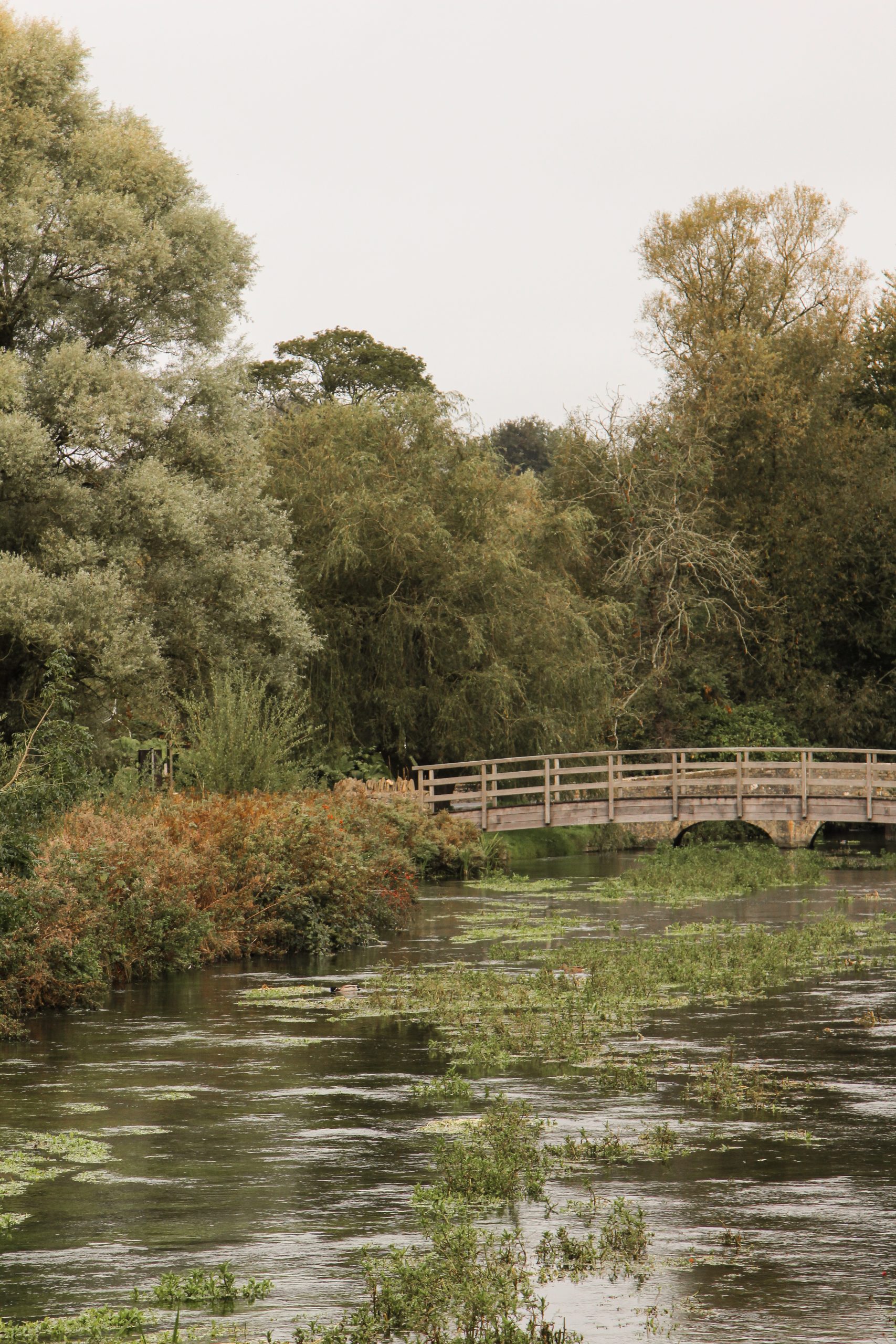
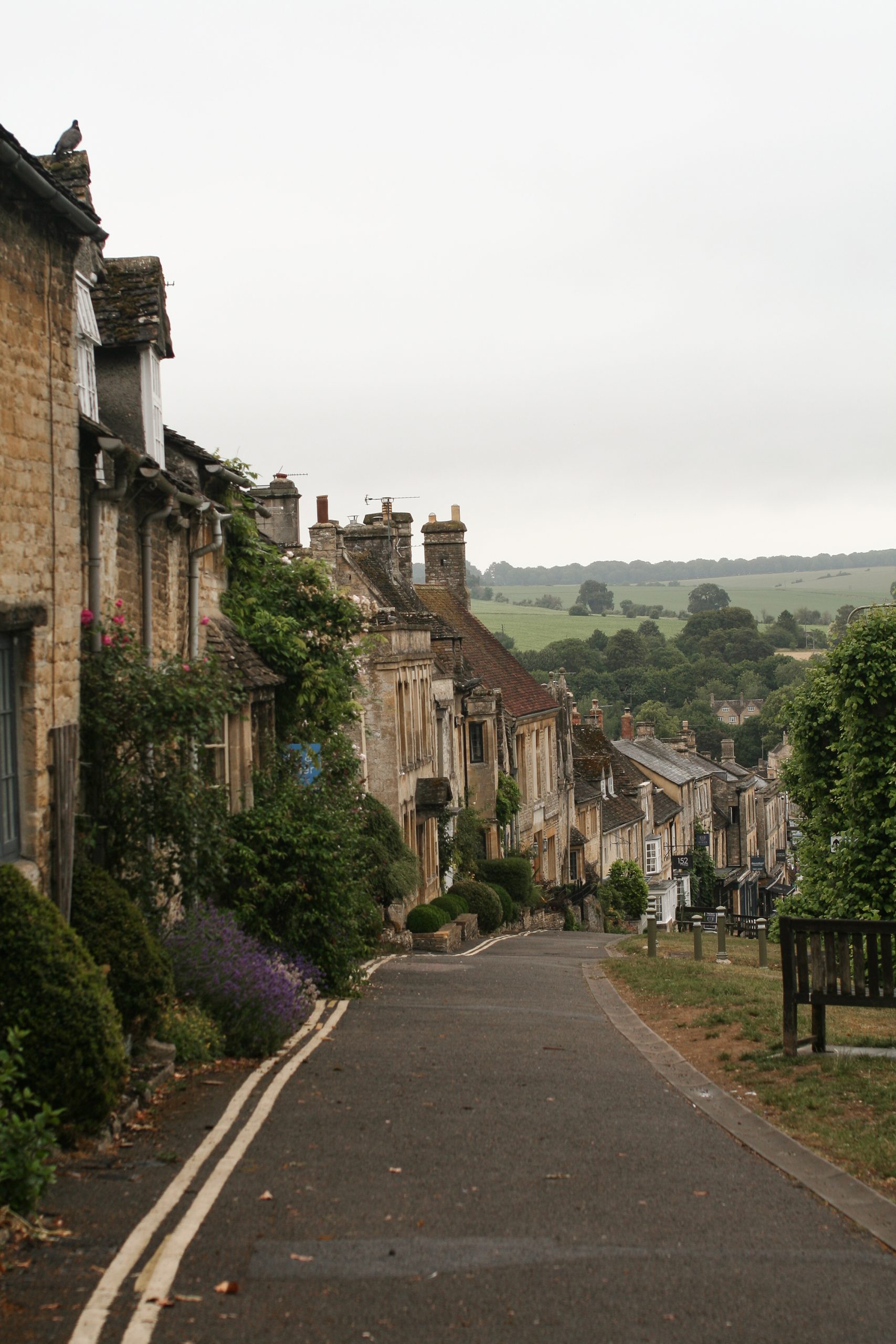
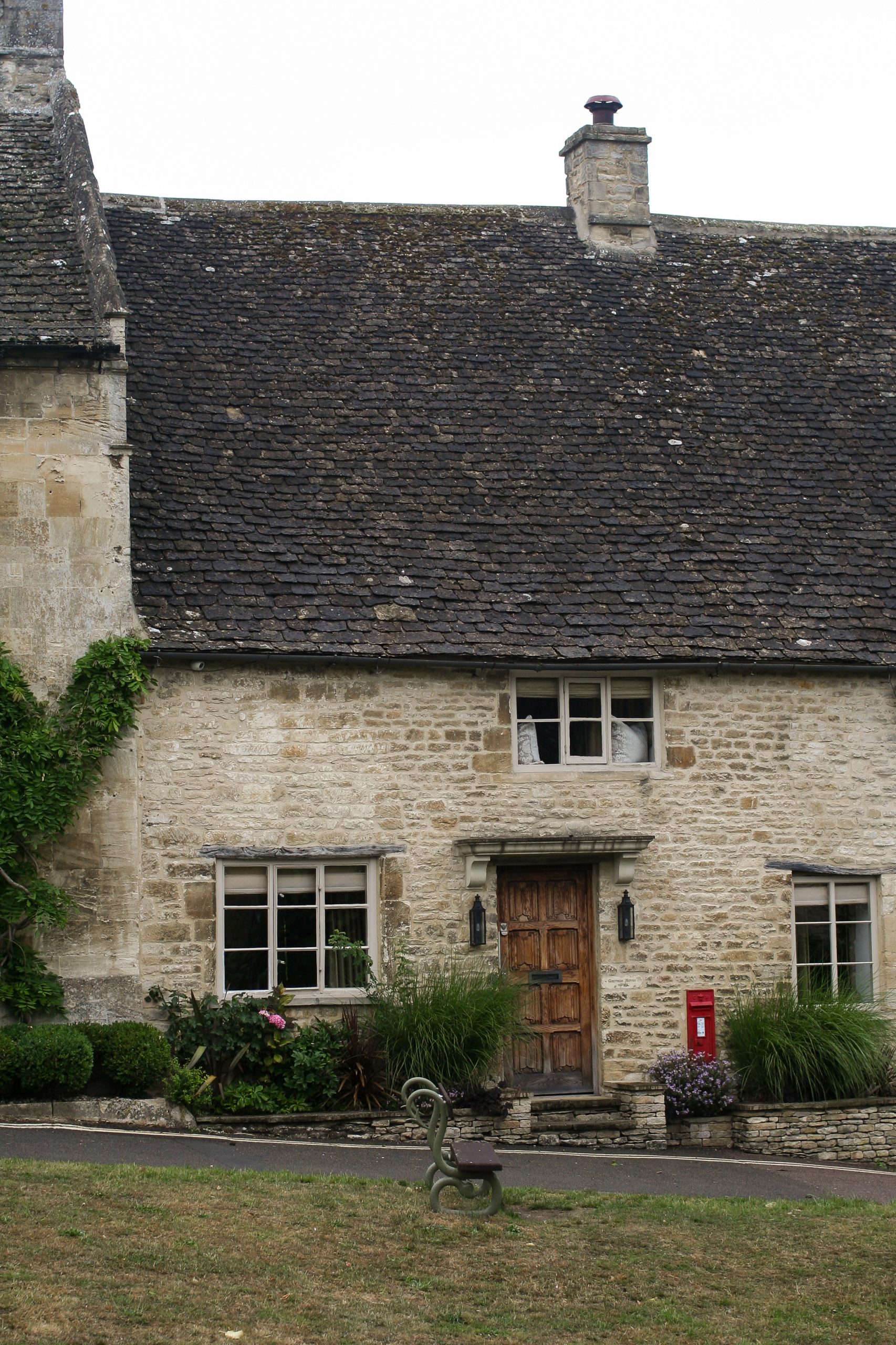
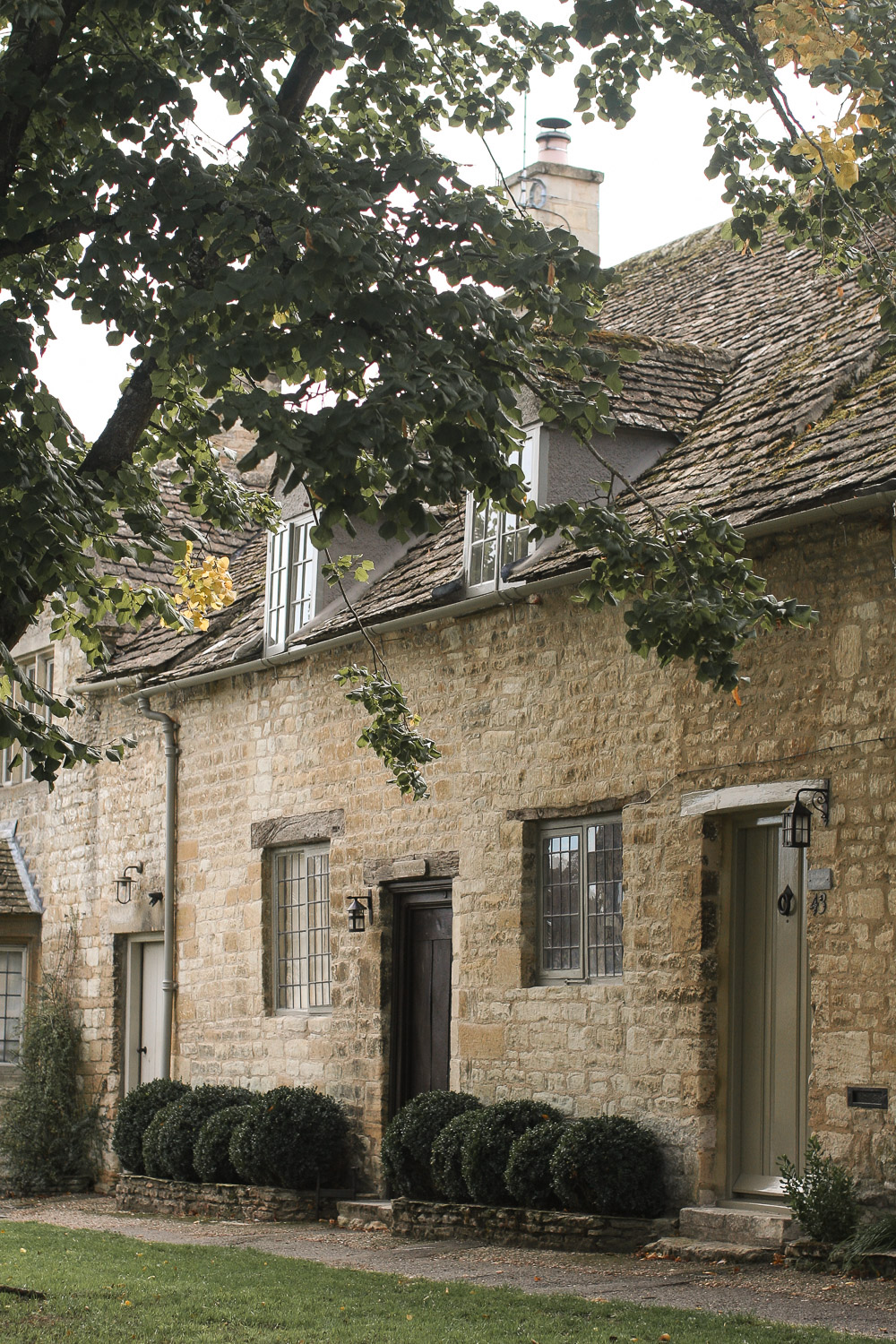
Stories of Place is an ongoing journal series exploring the places that shape the way we think about home. Whether close to home or further afield, each story reflects on the landscapes, buildings and quiet details that continue to inspire the homes we create.
There are some places that quietly change the way you think about home. Kettle’s Yard, tucked away on the edge of Cambridge, is one of them. Once the home of collector Jim Ede and his wife Helen, it remains today much as they left it: a house where art, books, furniture and everyday objects exist in quiet harmony, inviting visitors to experience beauty as part of daily life.
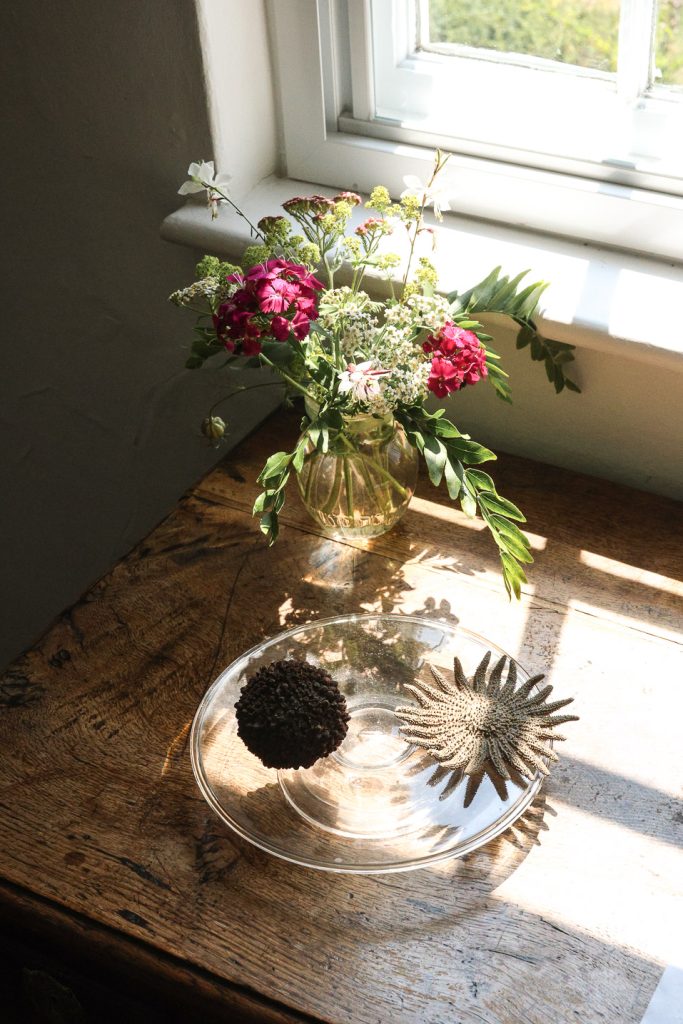
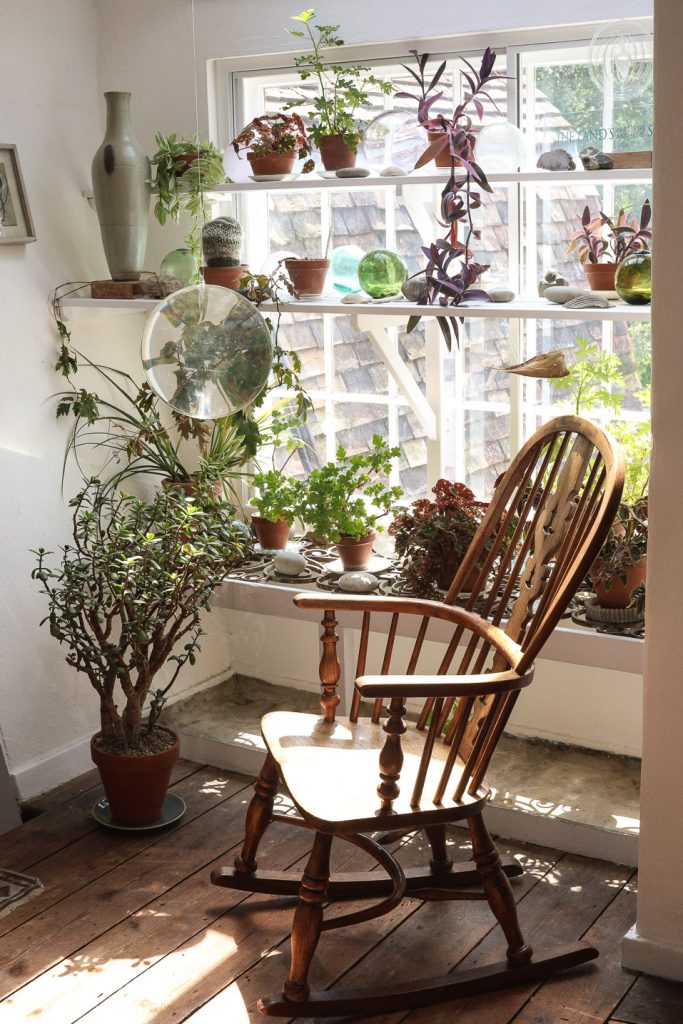
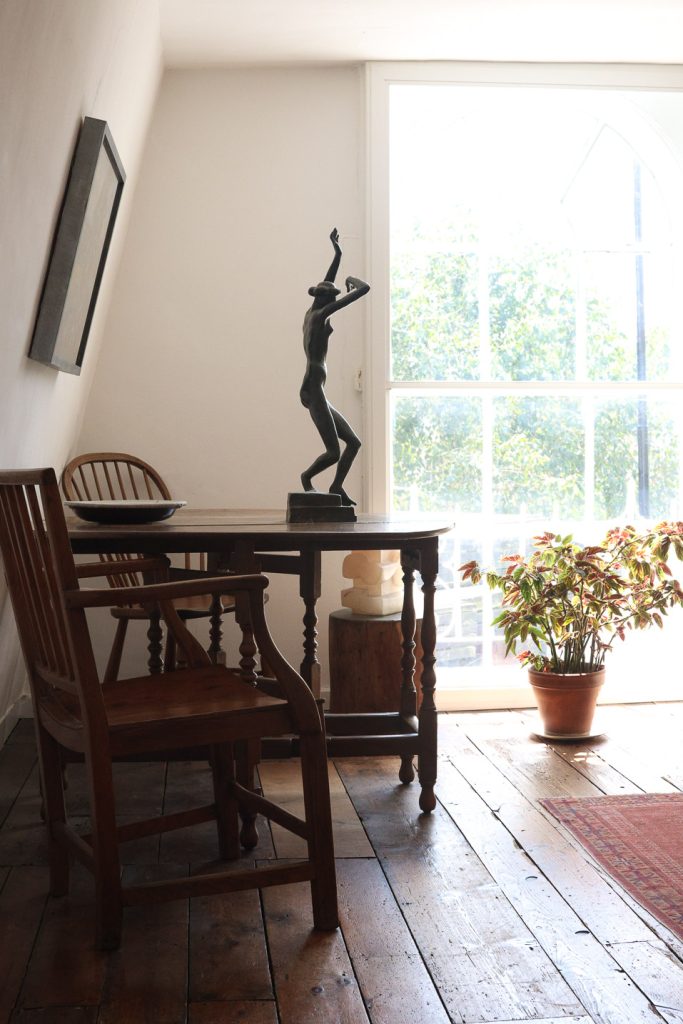
The intrigue begins as you approach the front door and ring the bell by pulling a cork tied to the end of a rope, a simple gesture that sets the tone for what lies beyond. I visited Kettle’s Yard in the heart of midsummer. As I stepped inside, the first thing I noticed was the light, pouring in through the windows, casting shifting patterns across walls, furniture and artworks, gently illuminating the collections within and drawing you further into the house.
Although Jim and Helen left Kettle’s Yard more than fifty years ago, their presence still quietly lingers. The house feels less like a preserved museum and more like a lived-in home whose owners have simply stepped out for the afternoon.
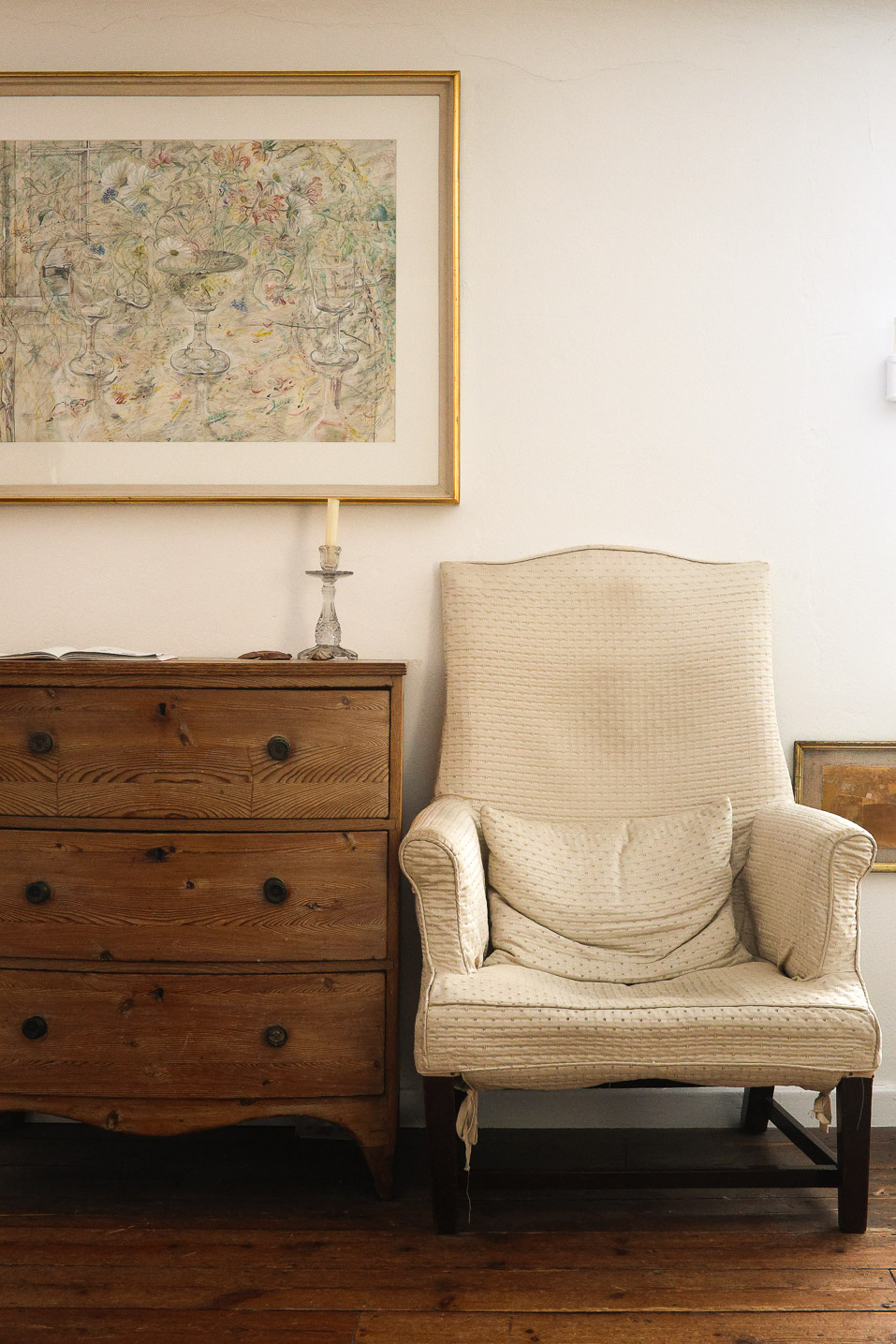
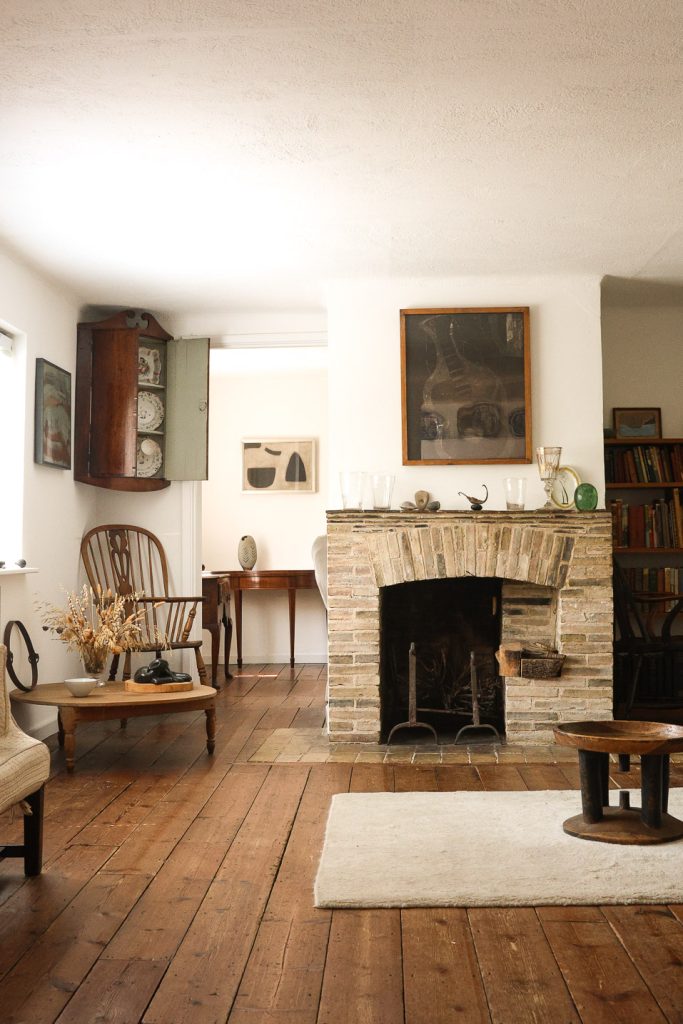
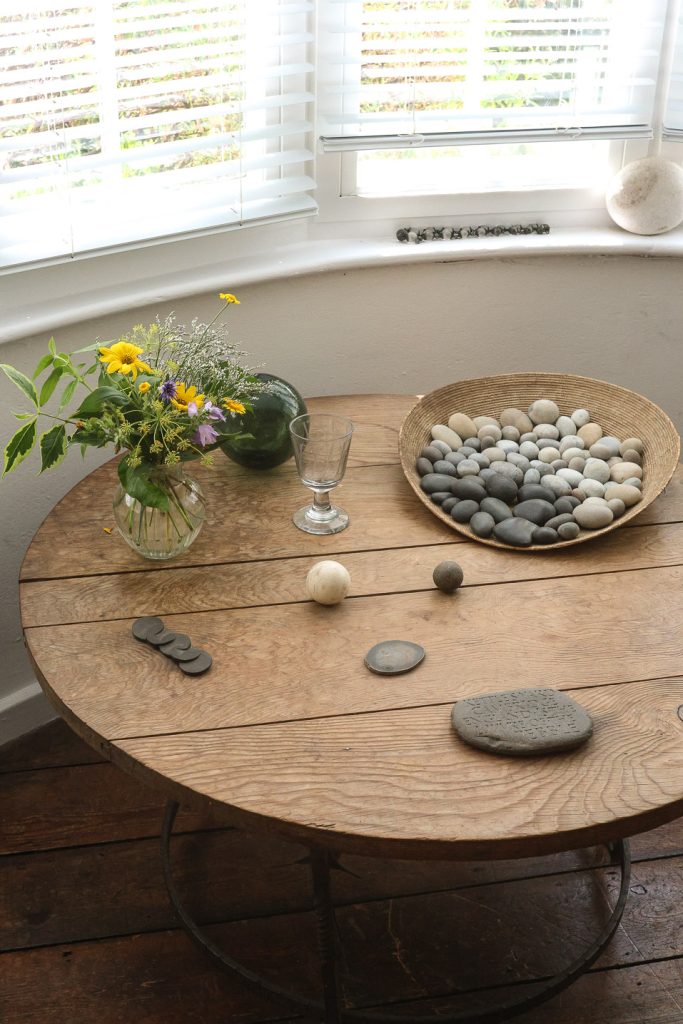
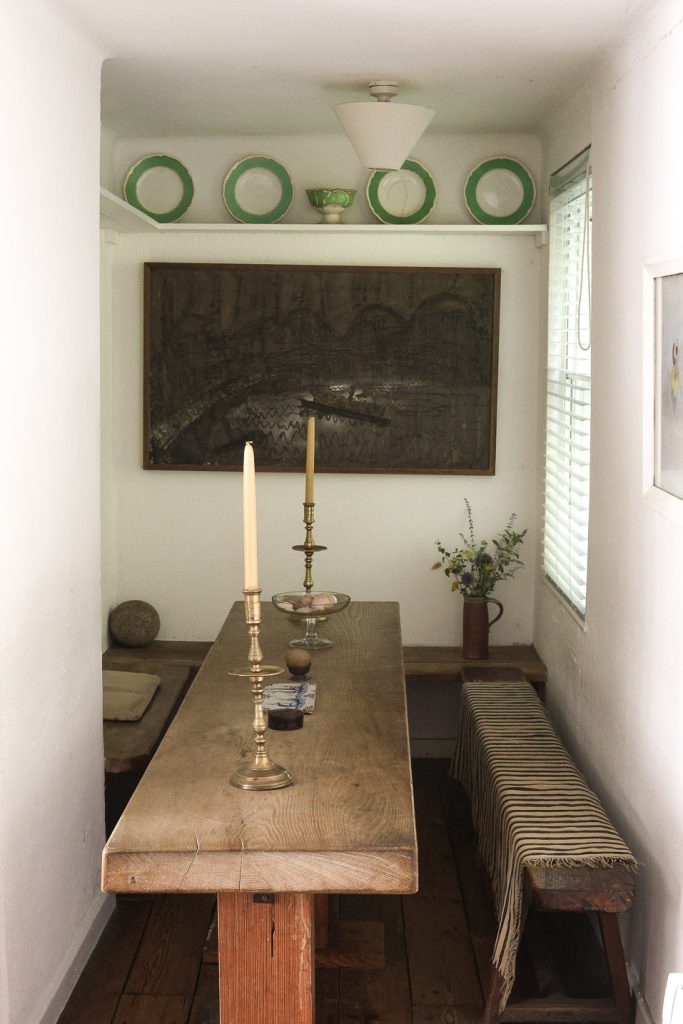
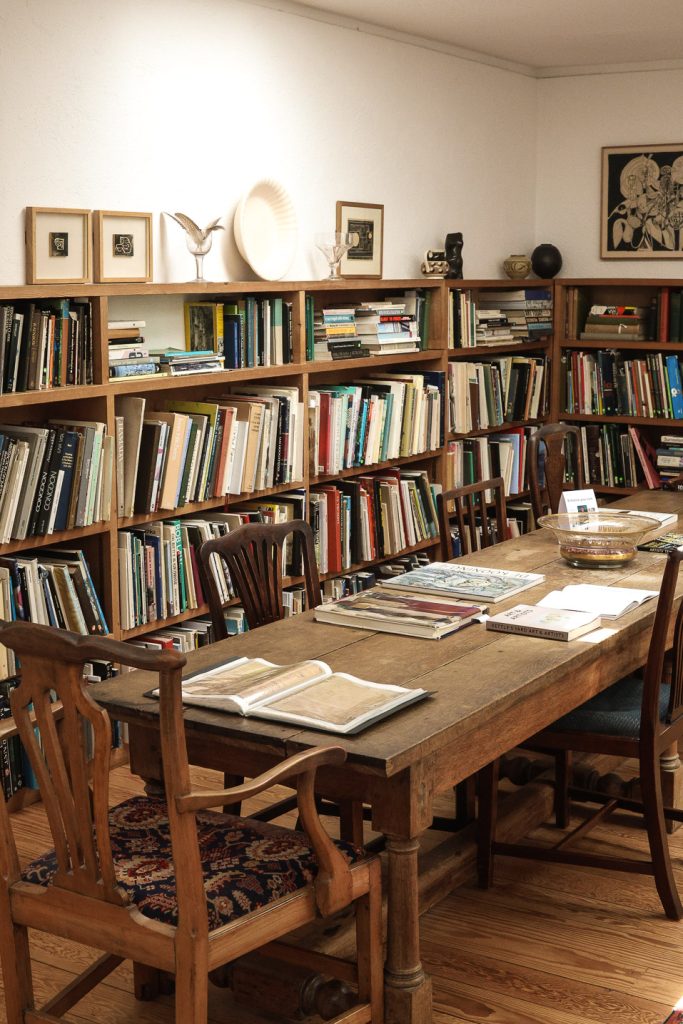
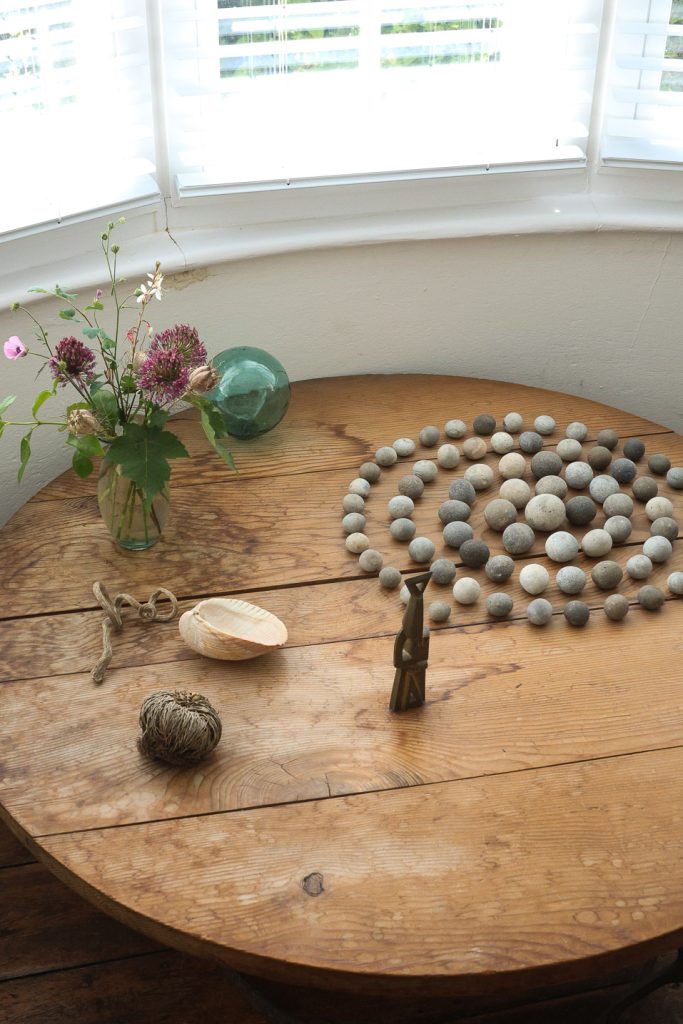
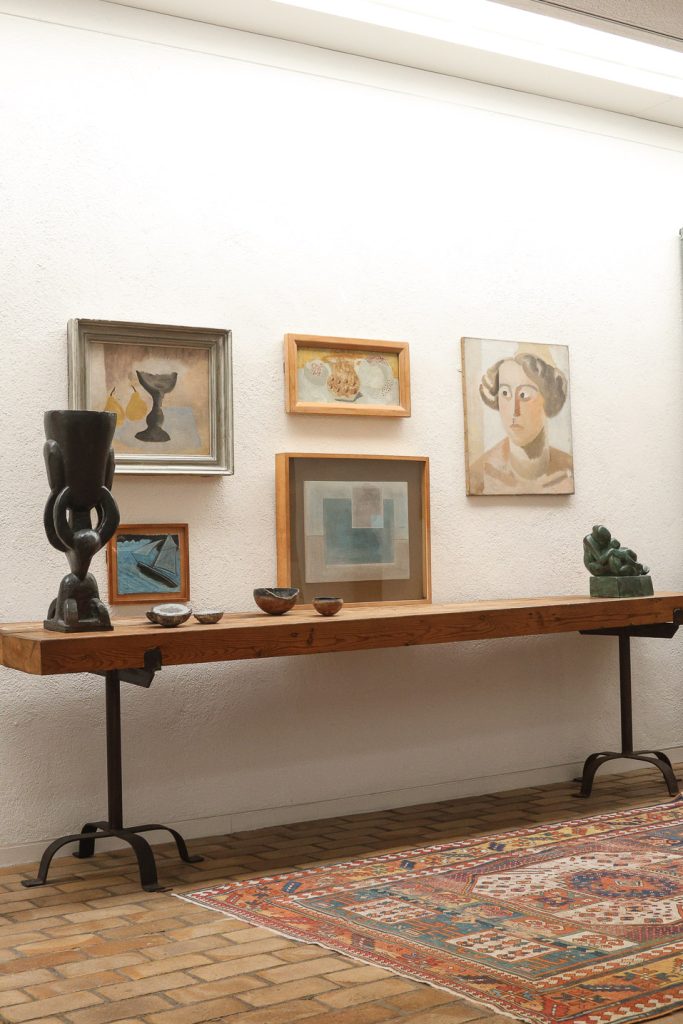
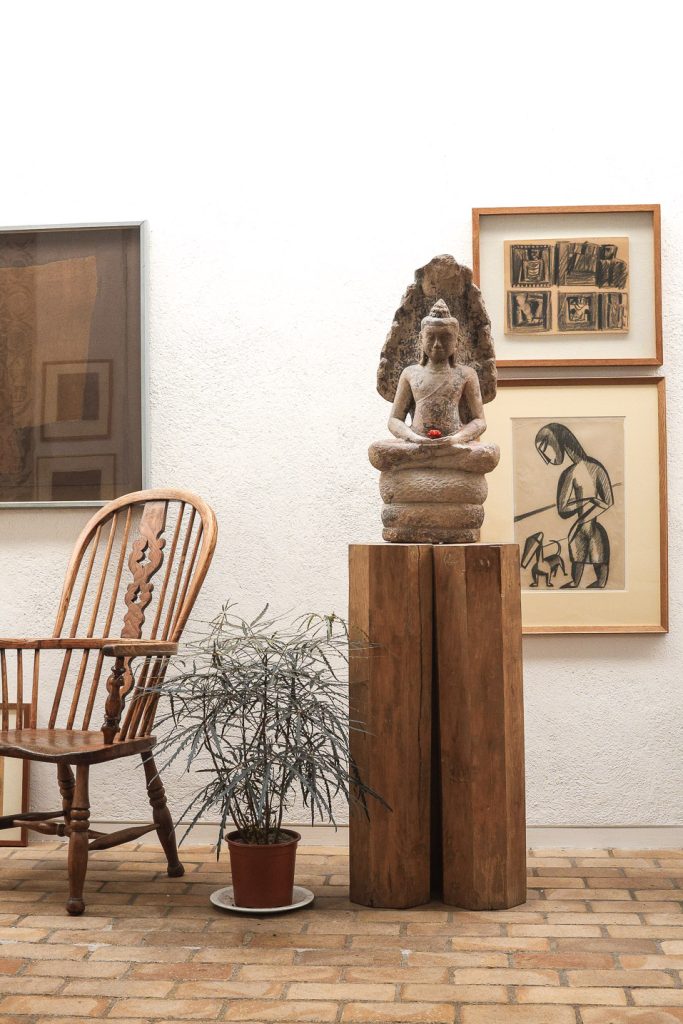
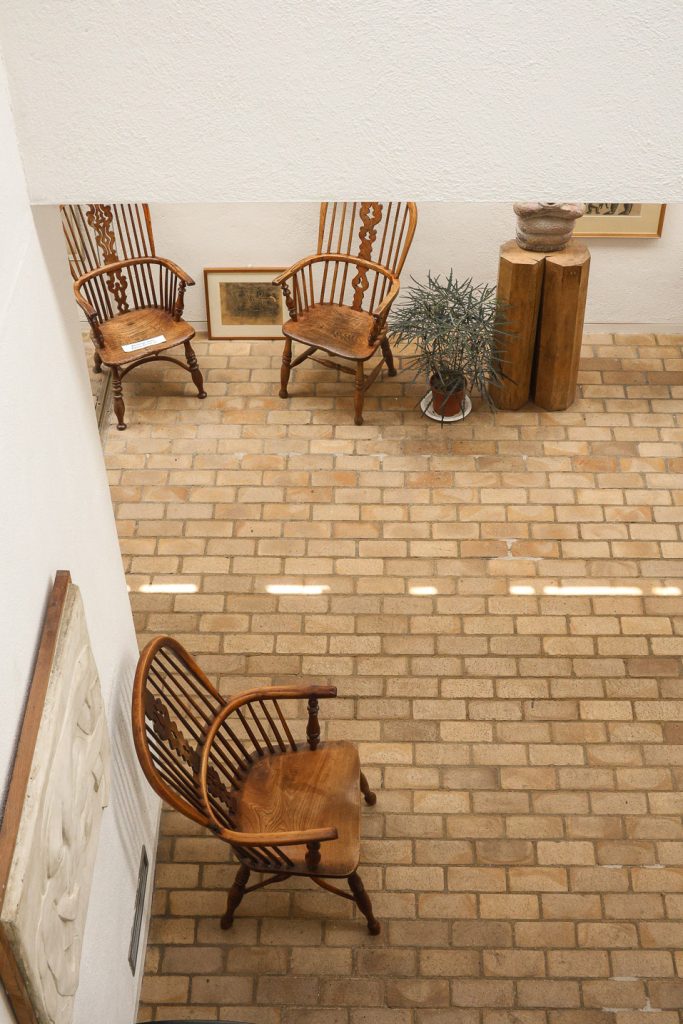
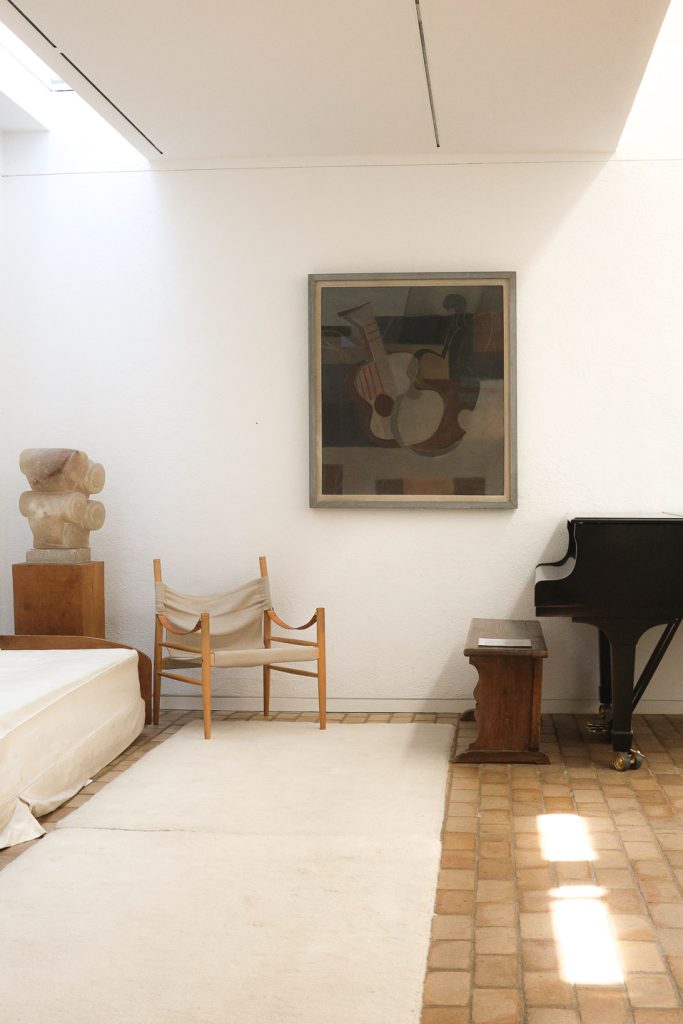
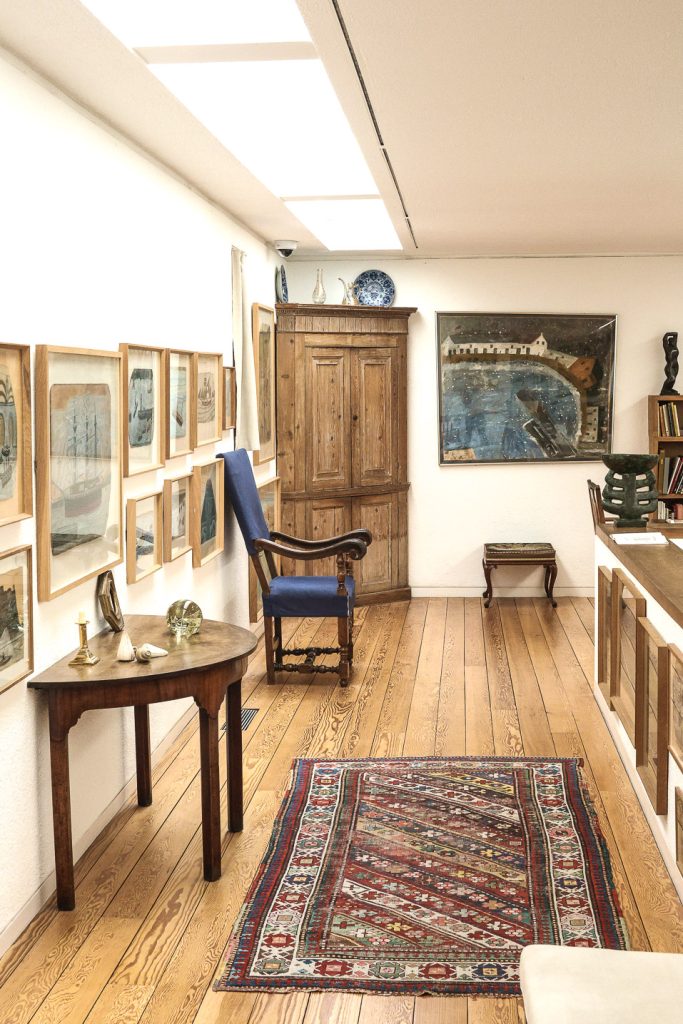
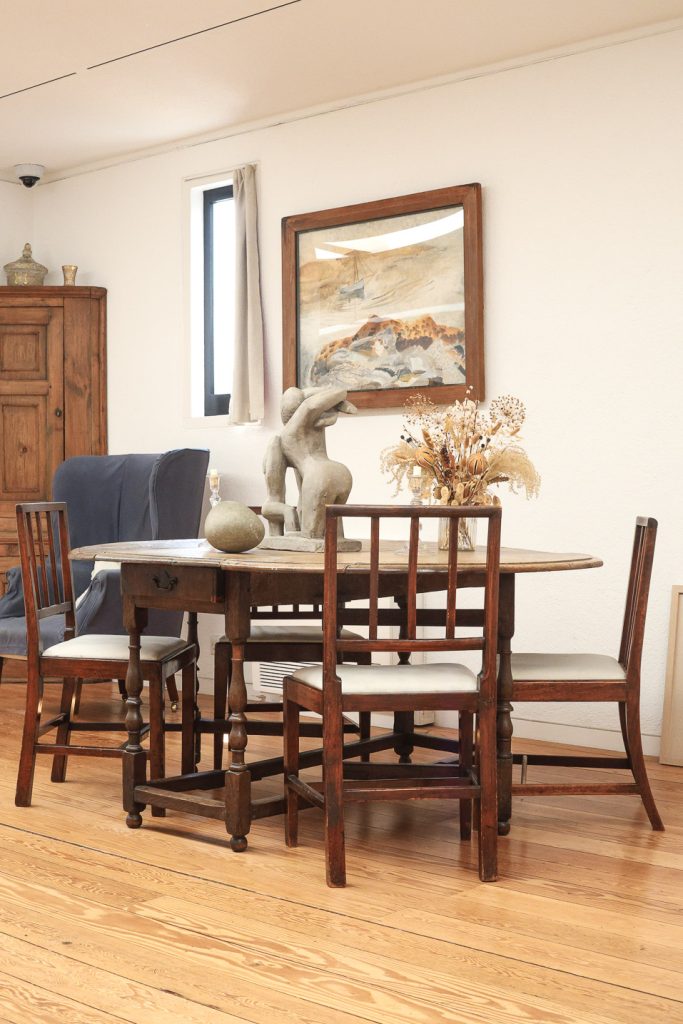
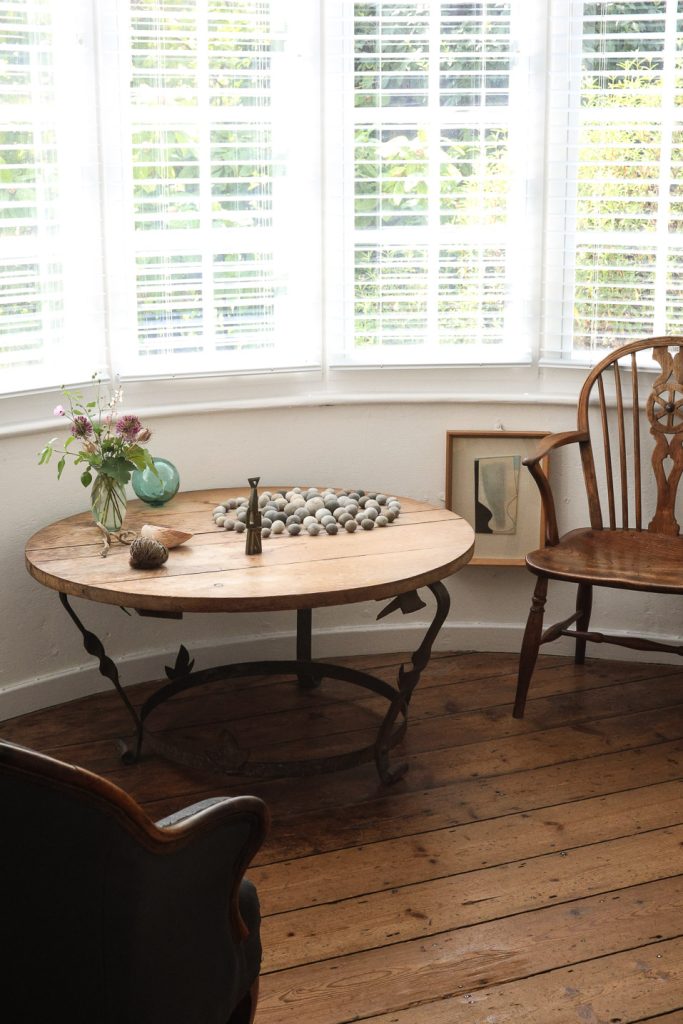
Moving from one room to the next, I was struck by the feeling of a home that had evolved gently over time. Shelves filled with books, paintings leaning beside ceramics, antiques, weathered furniture, fresh flowers, shells and pebbles gathered from walks. Simple corners offered gentle reminders of what a home can be. Nothing felt static; instead, each object seemed to have found its place over time.
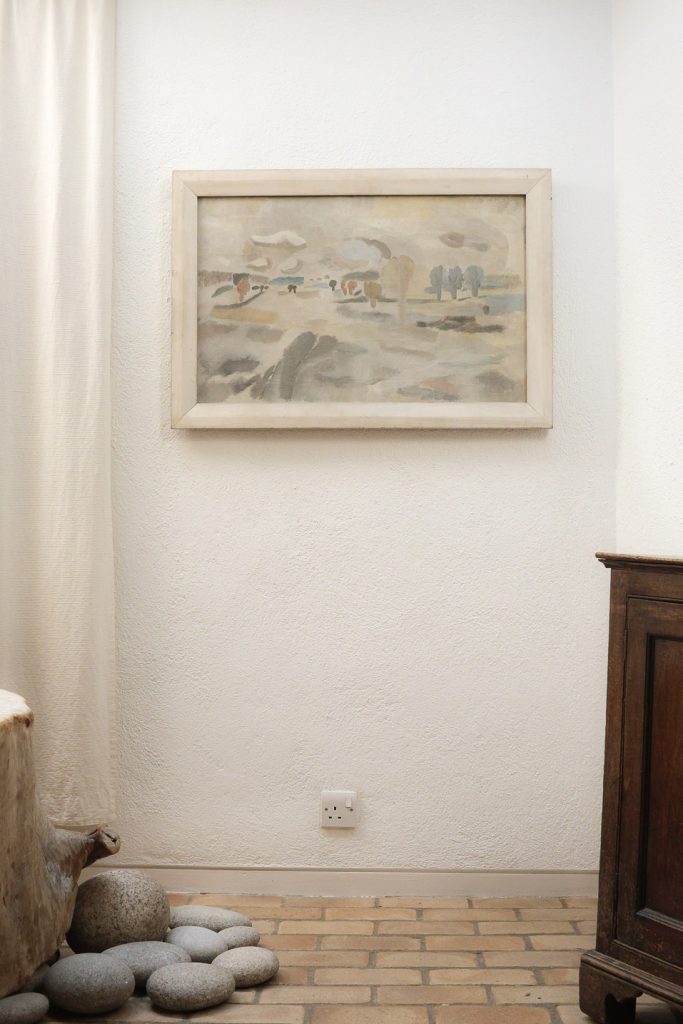
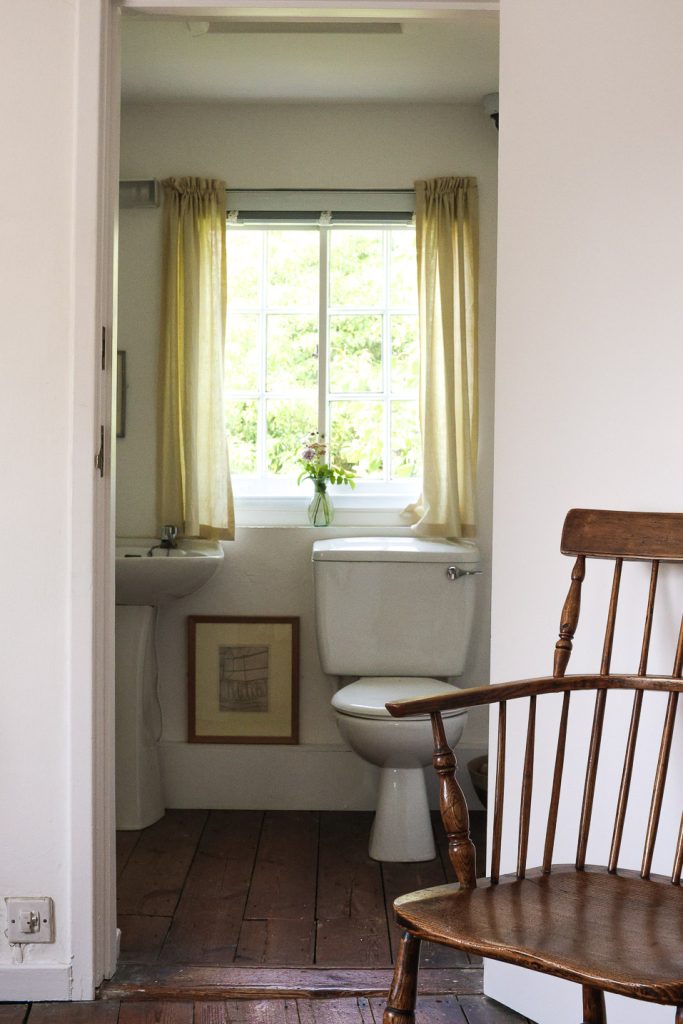
There is no prescribed route around the house and no labels directing your attention. Instead, you are subtly encouraged to look more carefully. A pebble is given the same importance as a sculpture. Fresh flowers echo the colours of nearby paintings. A simple wooden chair, carefully positioned beside a window, invites you to pause, observe and simply enjoy being in the space.
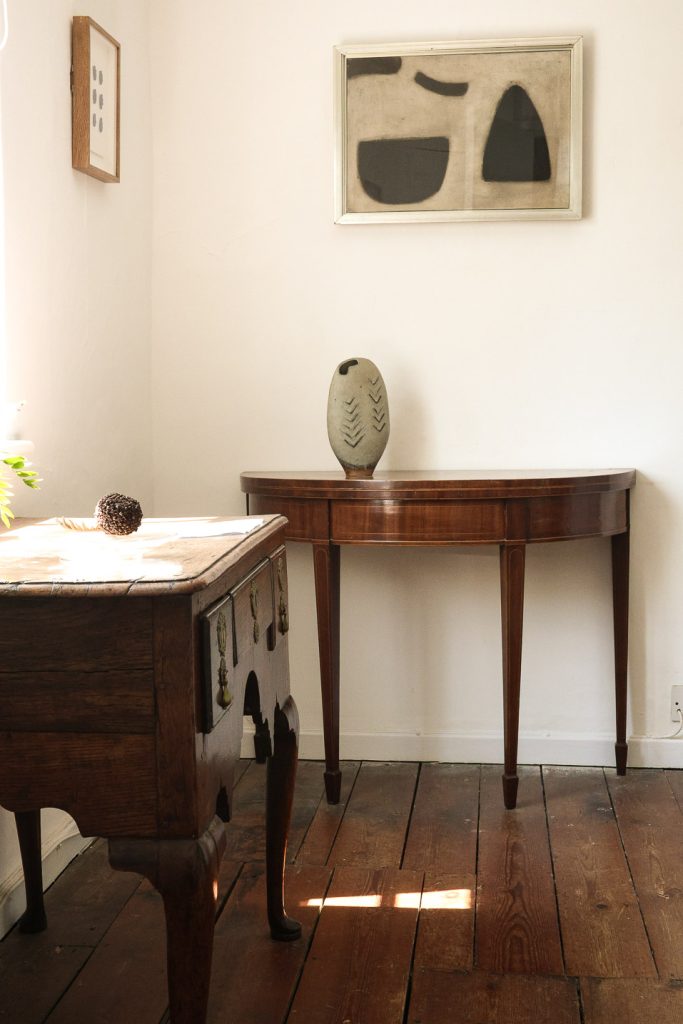
The longer I spent in the house, the more I noticed its remarkable sense of proportion. Every chair, painting, ceramic and pebble seemed to have exactly the space it needed. Rooms felt calm rather than sparse, layered without ever feeling crowded. Light, balance and empty space were treated with the same care as the collection itself.
What stayed with me most was not a particular artwork, but the relationships between objects. Art, nature and everyday life exist together without hierarchy. Beauty is found not only in paintings or sculpture, but equally in worn wood, natural patina, a vase of garden flowers or a stone picked up on a beach.
Perhaps that is what makes Kettle’s Yard so distinctive. Nothing feels decorated or overly composed. Instead, it reflects a life lived with curiosity, patience and care. It is a home that has evolved slowly, where every object contributes to the feeling of the whole.
Leaving Cambridge, I found myself thinking less about the individual paintings than the feeling the house had left behind. The quiet balance of light and shadow. The placement and space around each object. Fresh flowers on a table. Textiles and worn furniture softened by time. A pebble beside a sculpture. Individually they are ordinary things but together they create something far greater, a home with warmth, character and soul.
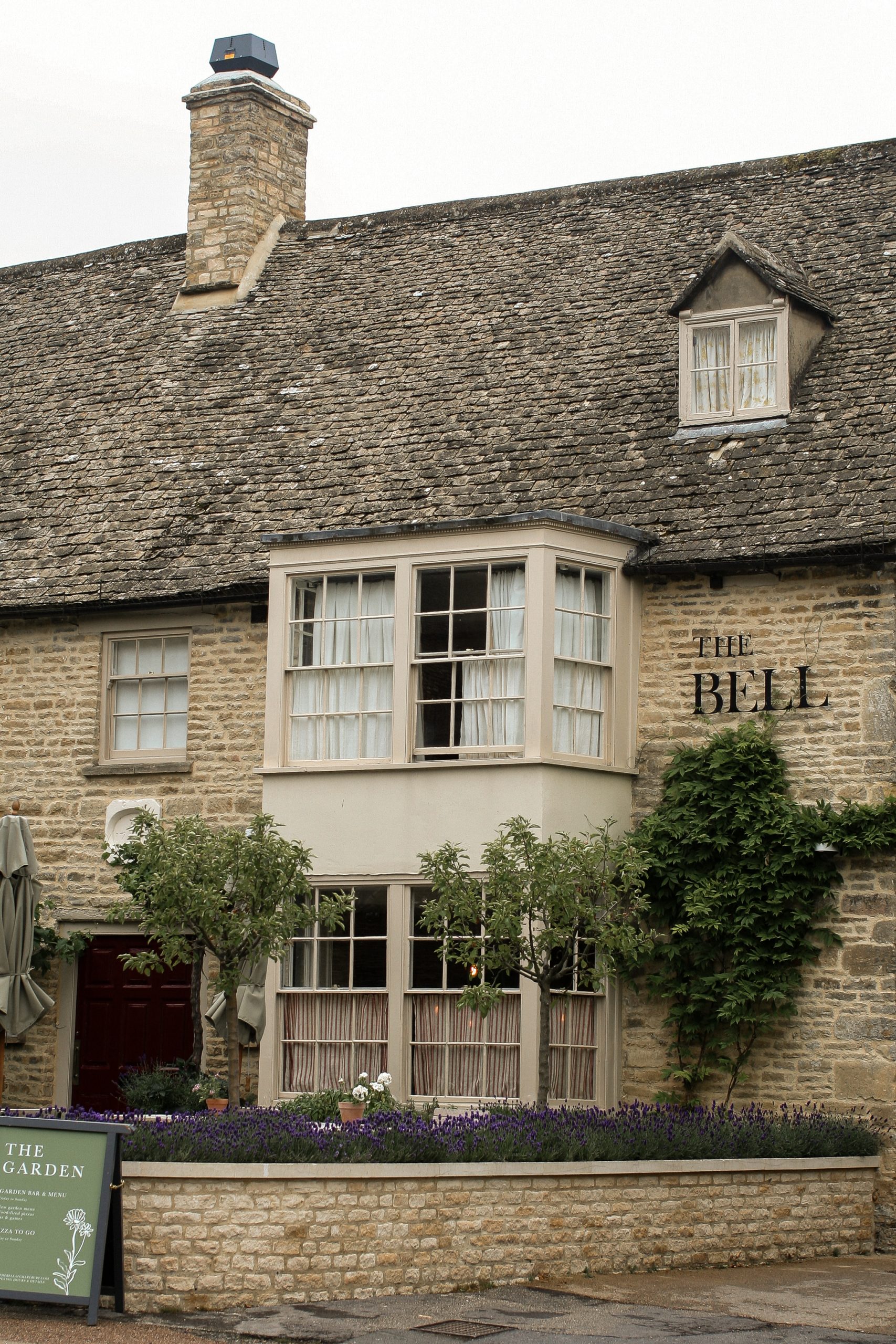
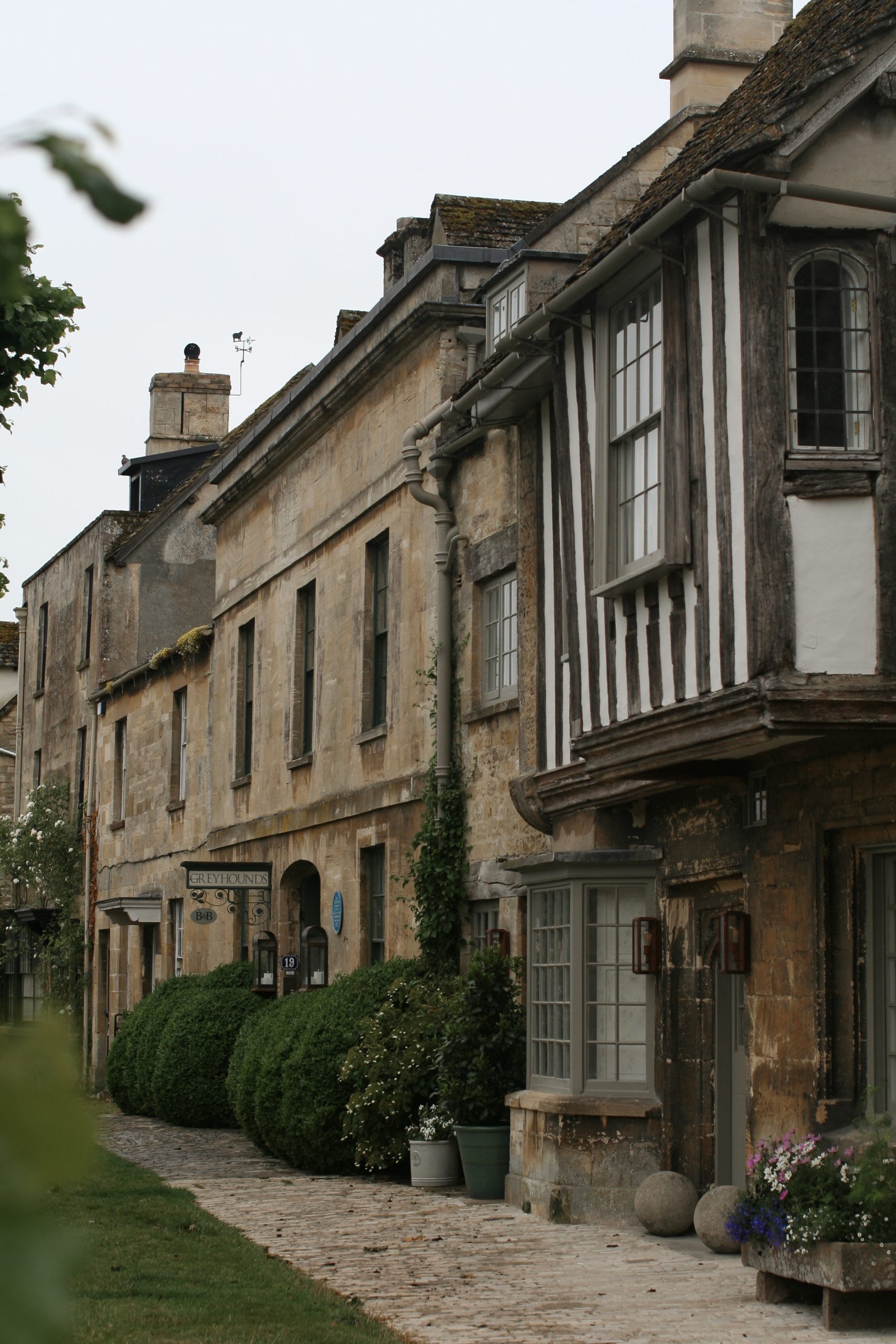
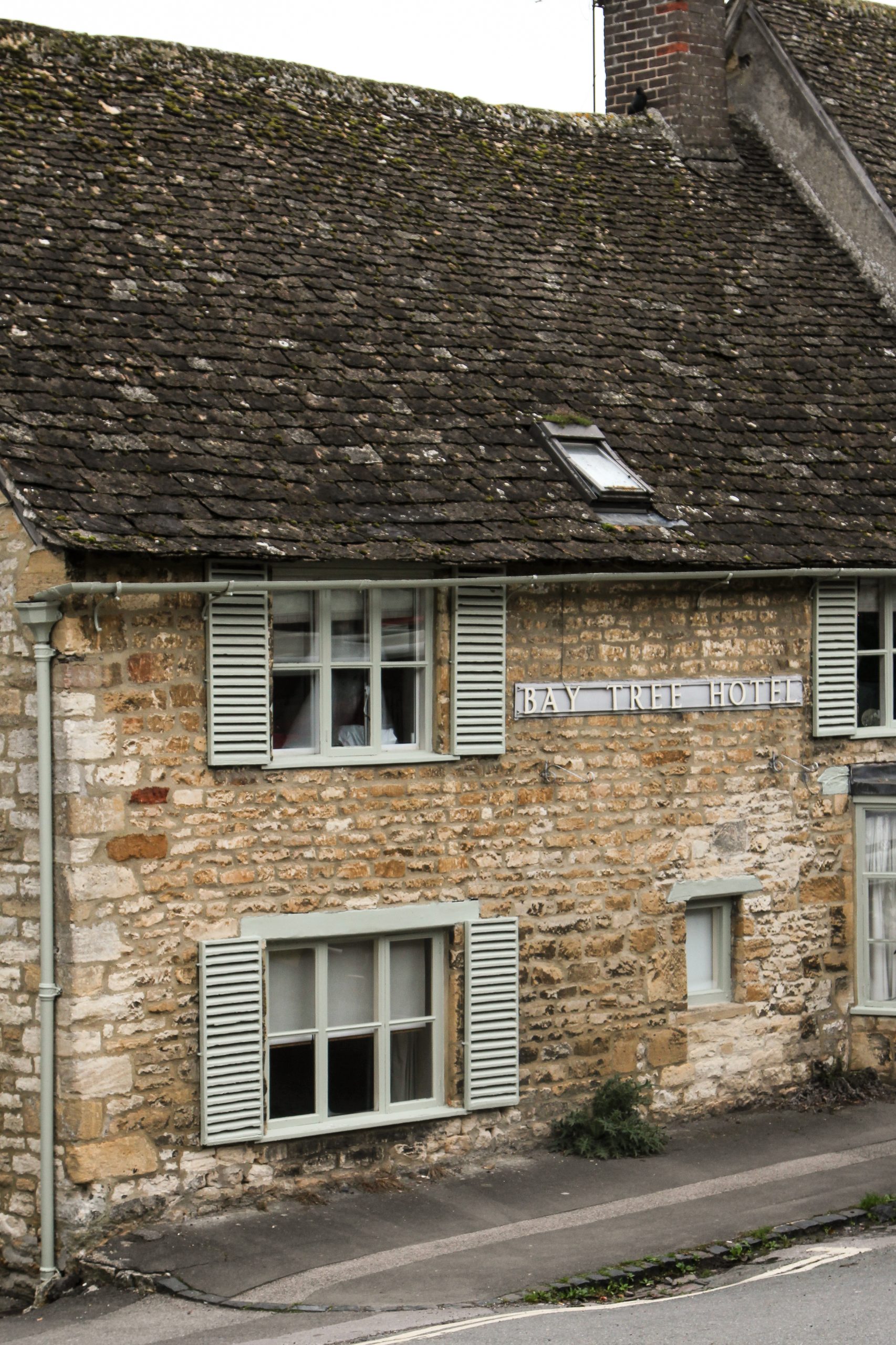
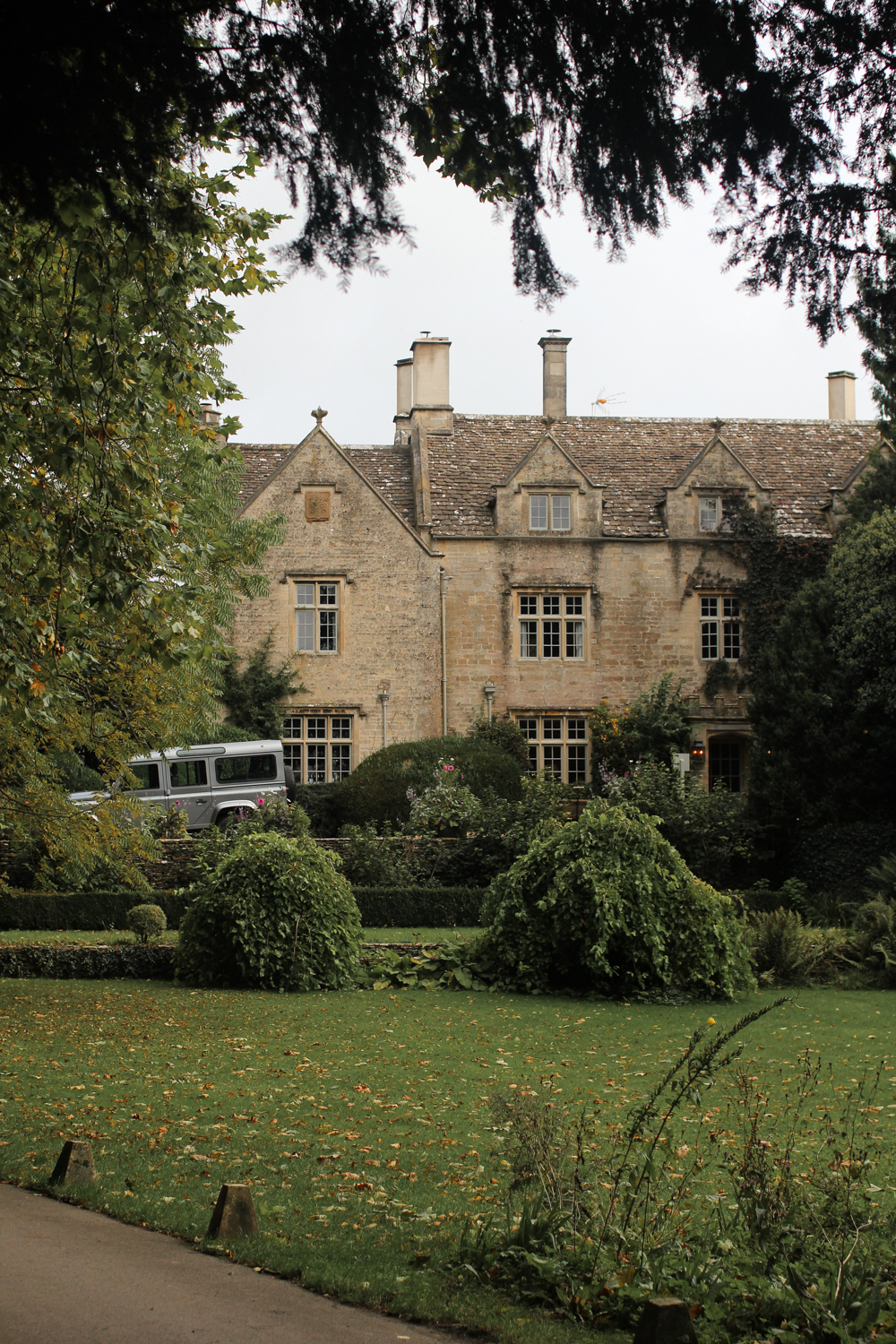
I hope you enjoy this collection of photographs from my visit.
Share this entry:
Stories of Place – The Cotswolds
Stories of Place is an ongoing journal series exploring the places that shape the way we think about home. Whether close to home or further afield, each story reflects on the landscapes, buildings and quiet details that continue to inspire the homes we create.
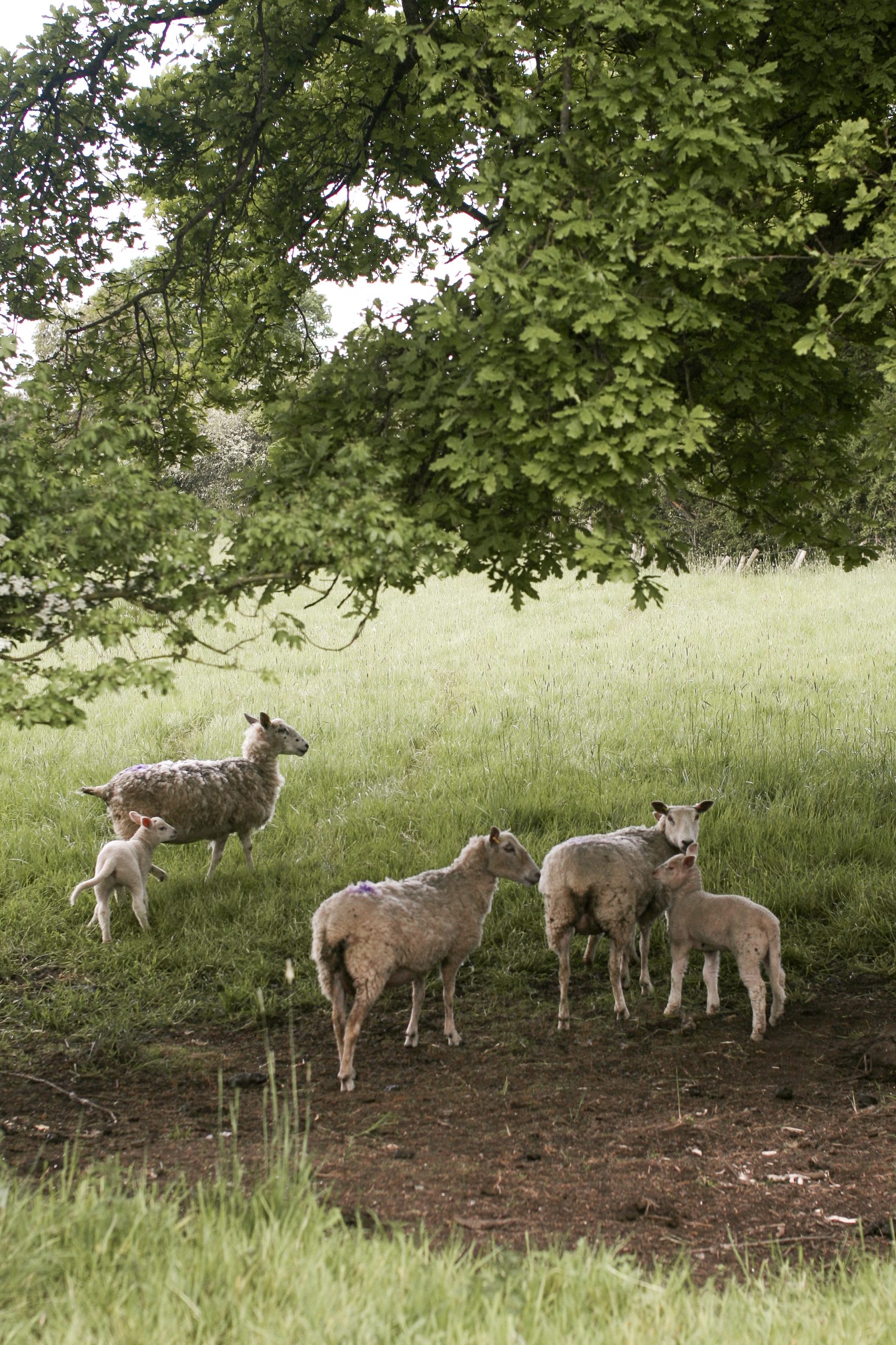
The Cotswolds area picturesque region in southwest England steeped in history that stretches back to prehistoric times. Traces of ancient settlements can still be seen in its Iron Age hill forts and the remnants of Roman roads. The name Cotswolds is thought to come from Old English, meaning sheep enclosures in rolling hills, a nod to the area’s agricultural heritage.
Today, the Cotswolds are celebrated for their picture-book villages, distinctive stone buildings and gently undulating countryside, interwoven with walking paths, bike trails and bridleways, earning the area official designation as an area of outstanding natural beauty. The National Trust offers a diverse range of places to explore across The Cotswolds, from historic houses and gardens, to ancient sites, set amongst a patchwork of commons, woods and valleys.
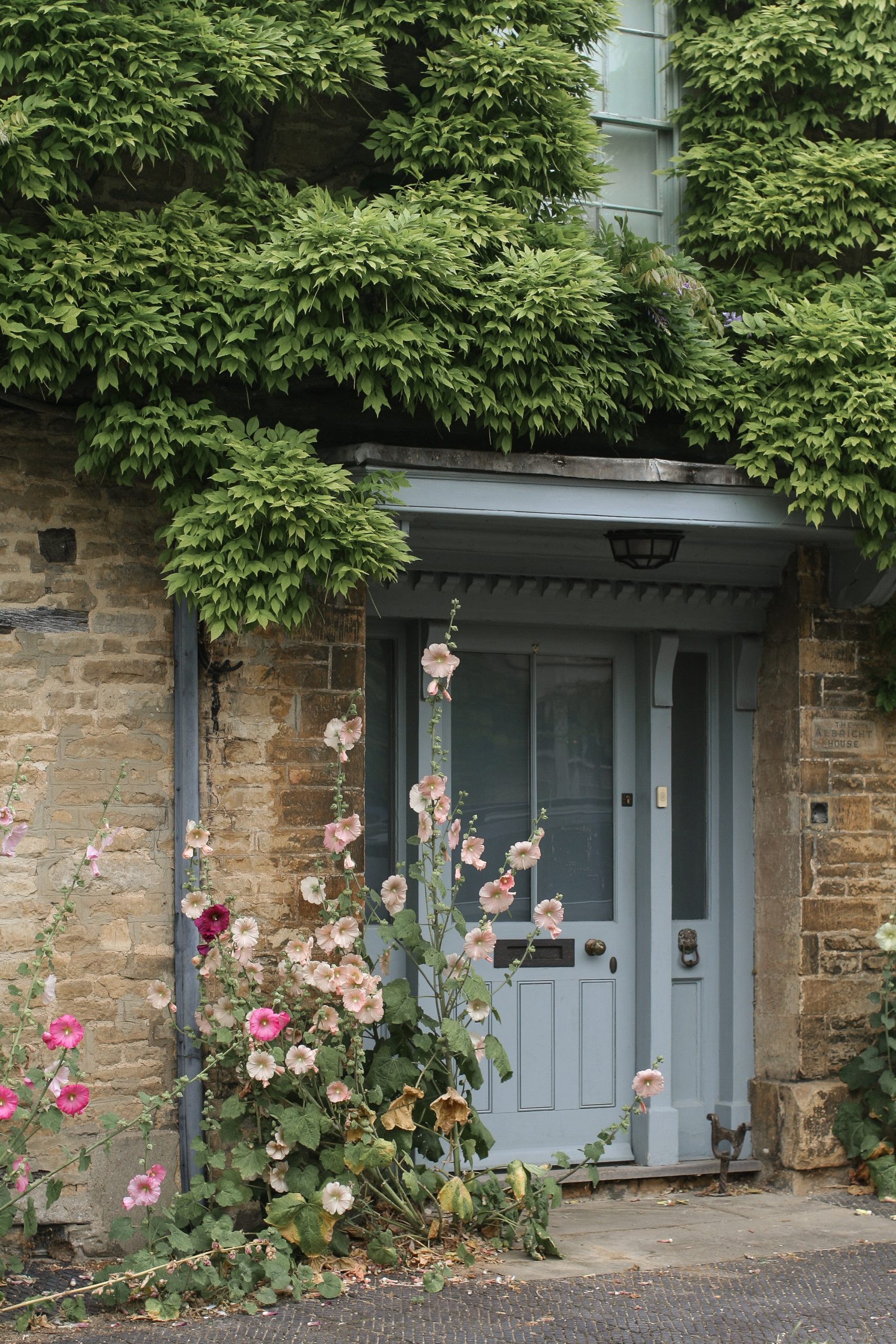
Charlbury, Chipping Norton
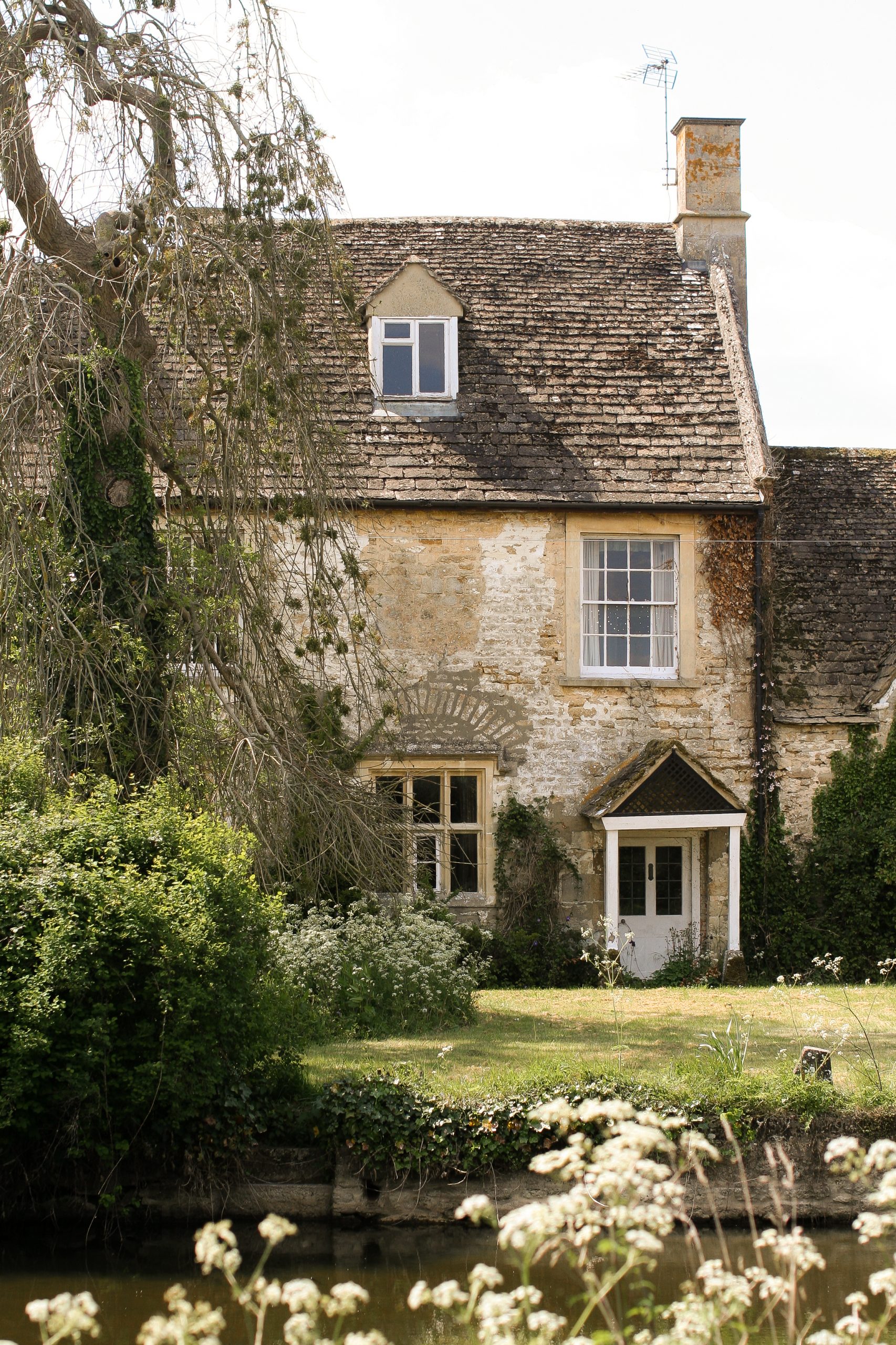
Bentham, Near Cirencester
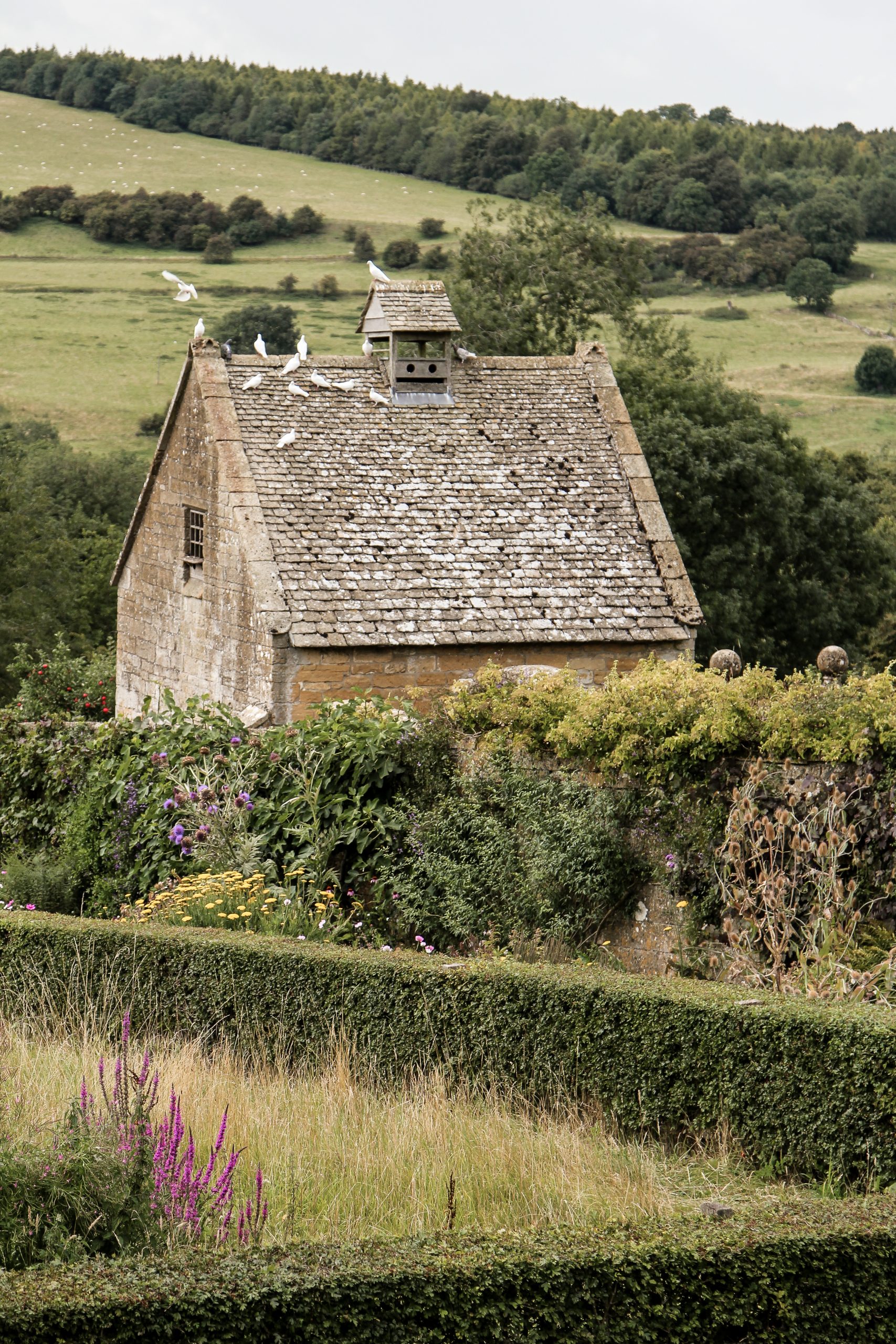
Snowshill Manor & Garden, National Trust, Gloucestershire
Spanning several English counties—primarily Gloucestershire and Oxfordshire, with parts of Wiltshire, Somerset, Worcestershire, and Warwickshire—the Cotswolds are an ideal destination, whether you are planning a short visit or an extended stay.
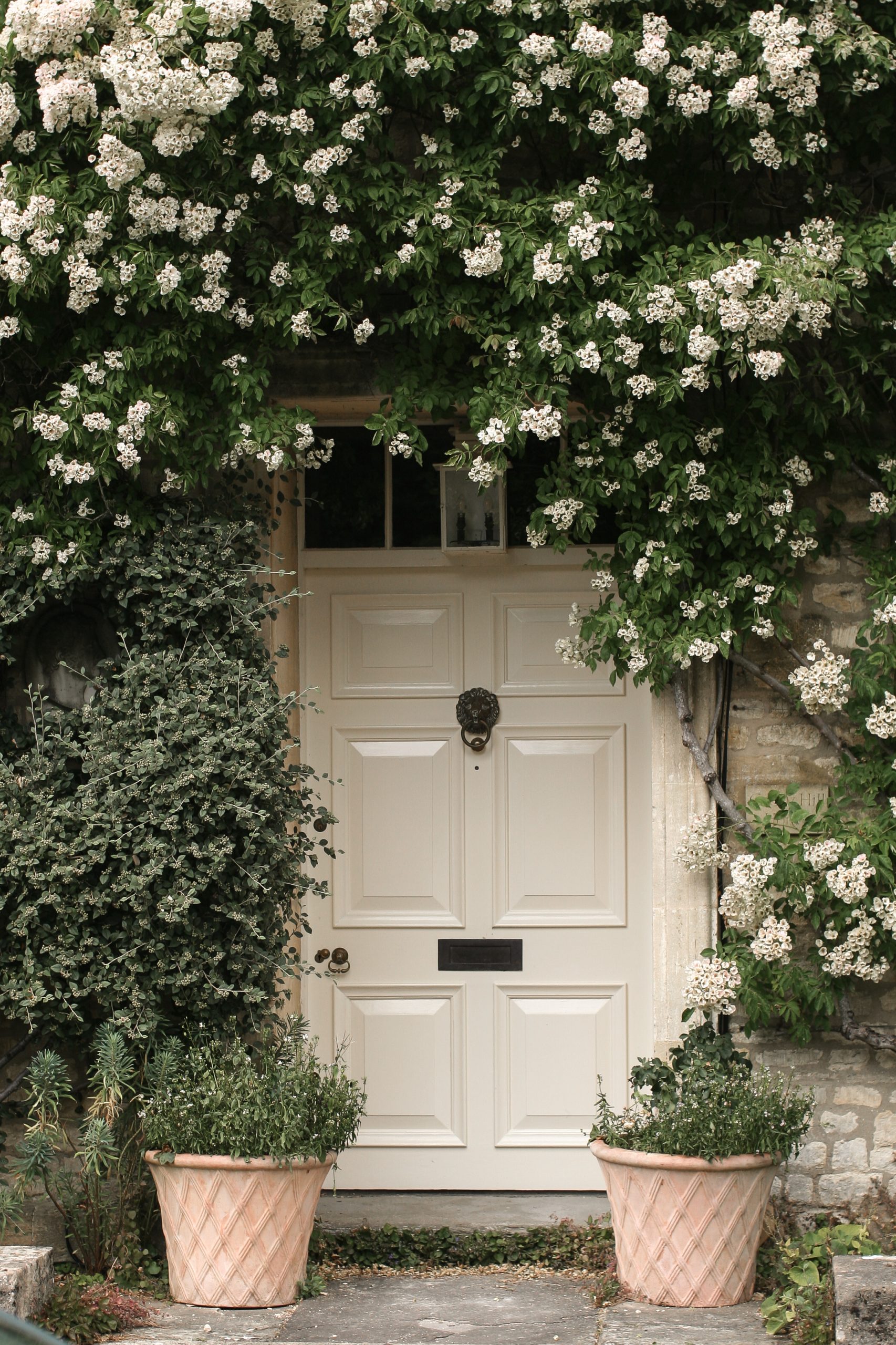
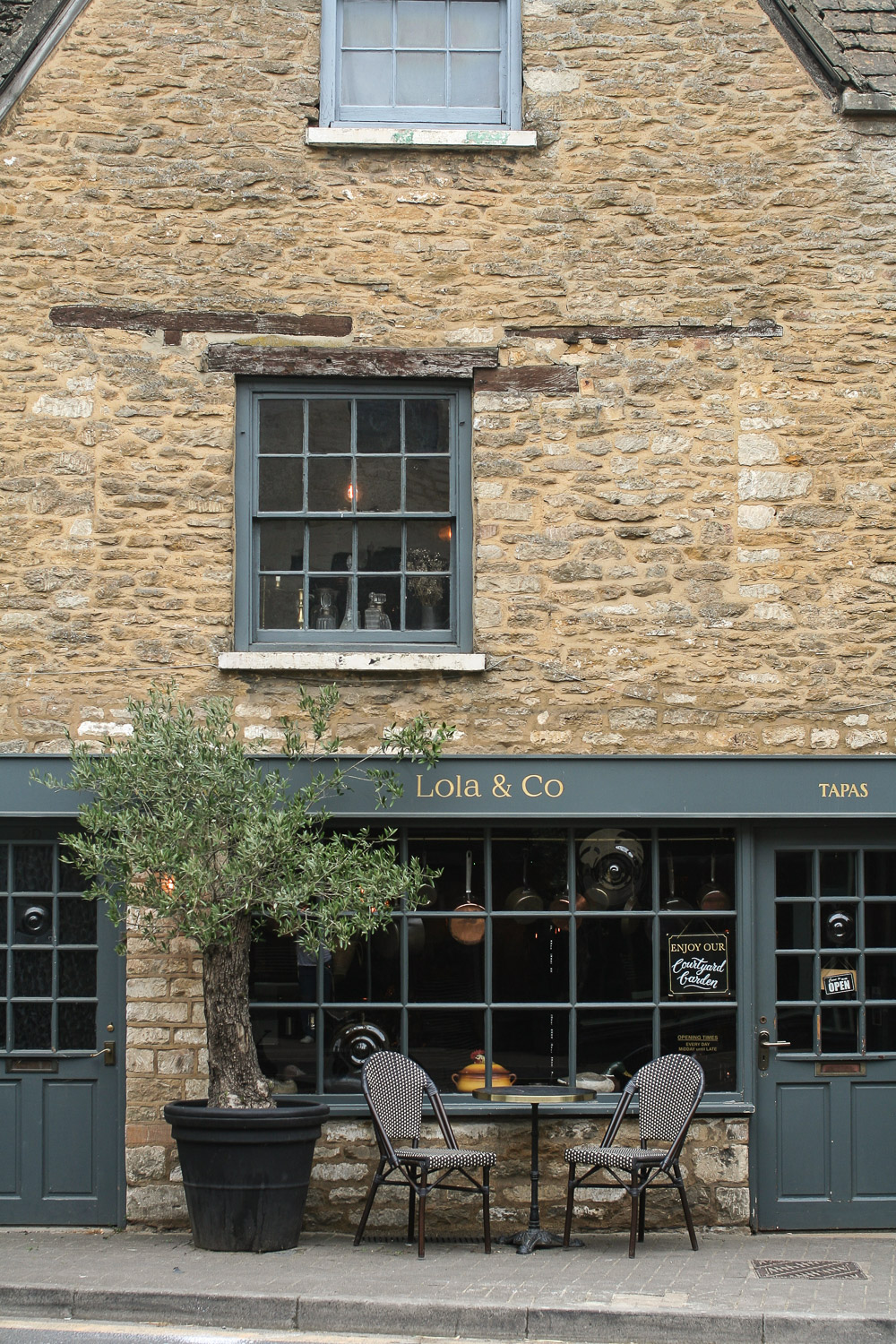
The Cotswolds offers a rich tapestry of historic landmarks, idyllic landscapes, and characterful towns and villages waiting to be explored. Here we share some highlights of this beautiful region but there is much more to discover.
Cirencester, Gloucestershire
Burford, Oxfordshire
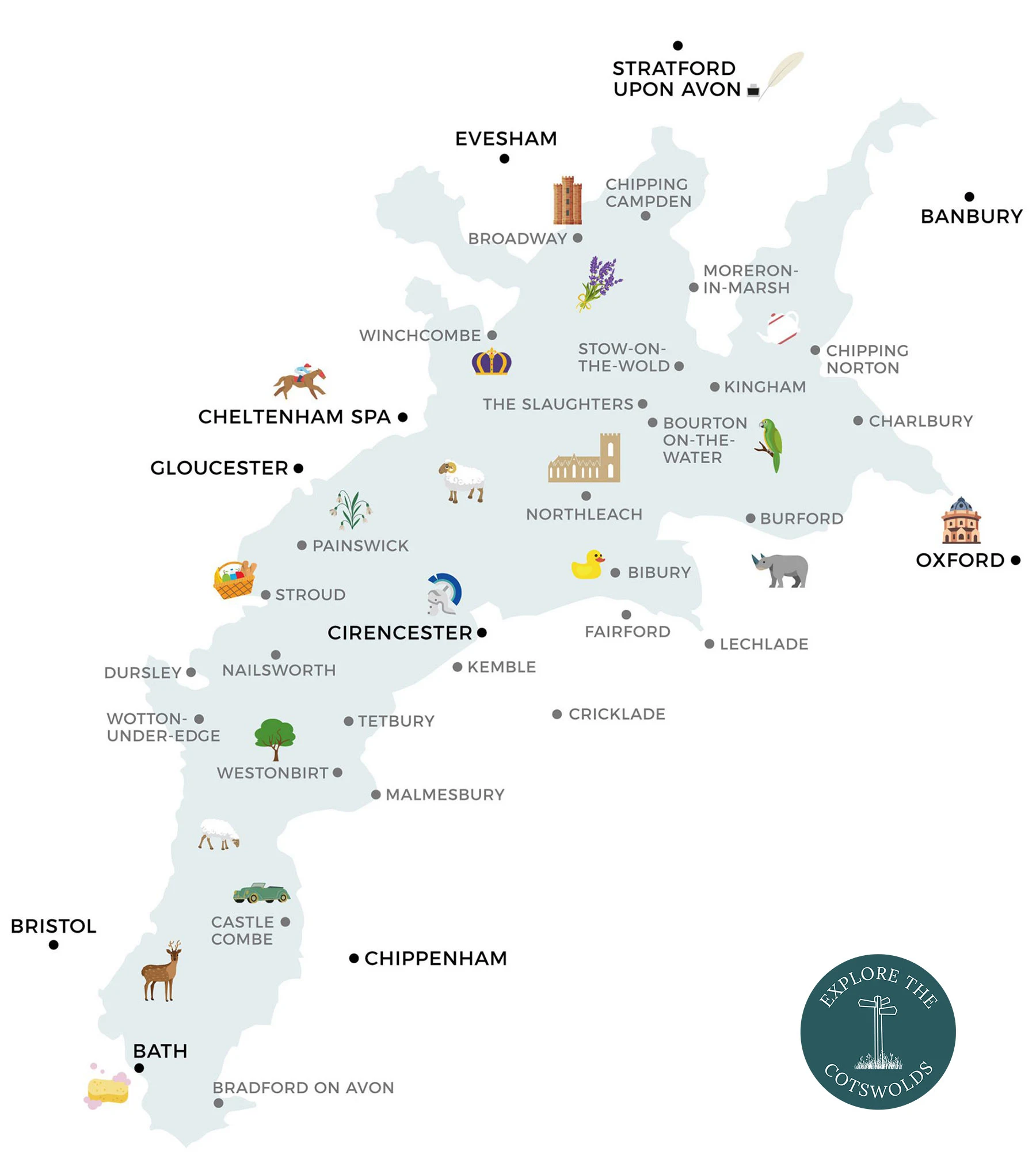
EXPLORE THE COTSWOLDS
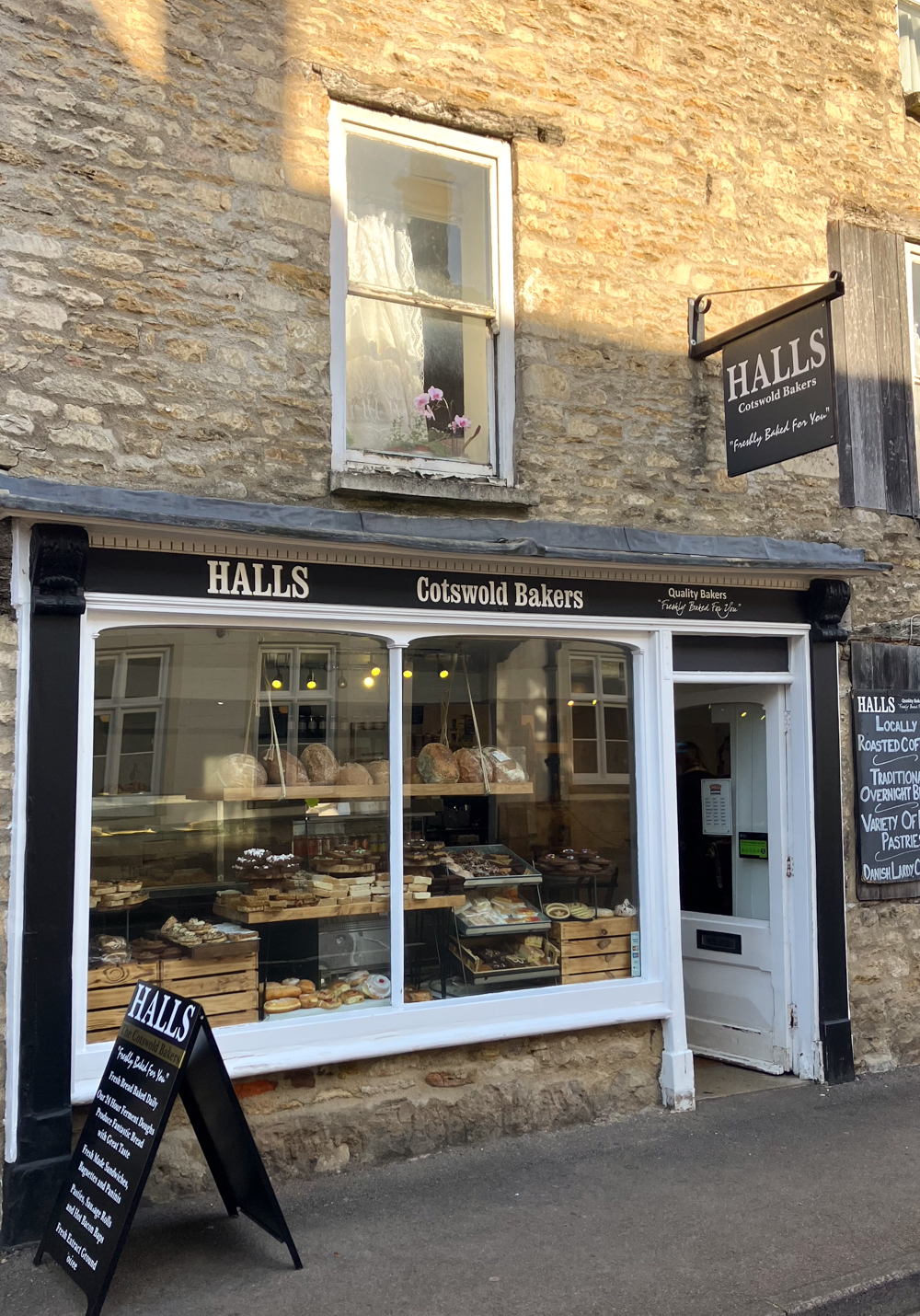
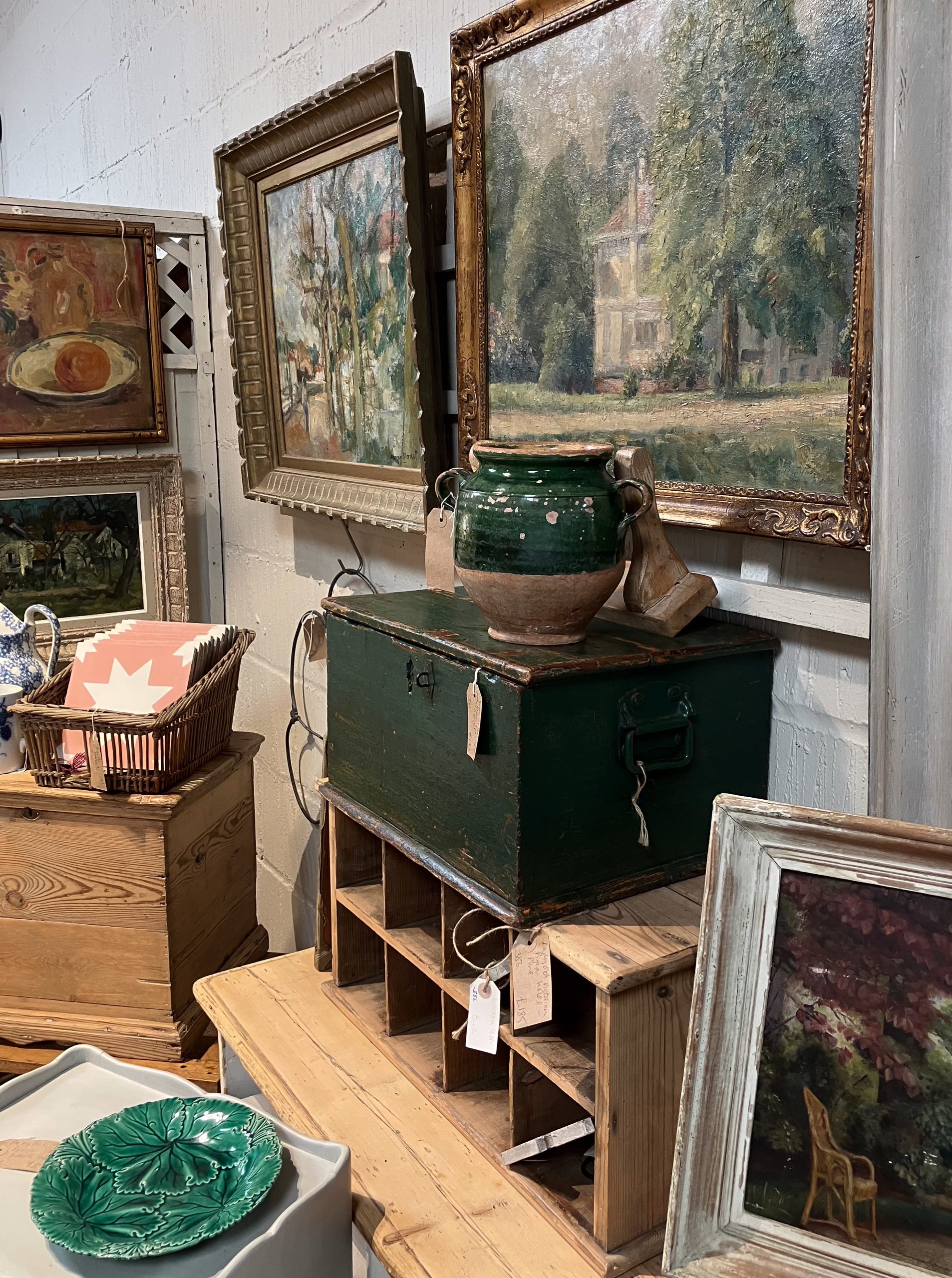
Tucked away in Gloucestershire, Tetbury is a charming market town with strong royal ties—home to King Charles III and Queen Camilla at nearby Highgrove. Beyond its regal connections, Tetbury is renowned for offering some of the finest shopping in the Cotswolds. While its antique shops attract collectors from far and wide, visitors will also find a delightful mix of independent boutiques, cafés, and artisan food and drink spots.
Places to visit nearby: Cirencester, Westonbirt Arboretum & Castle Combe
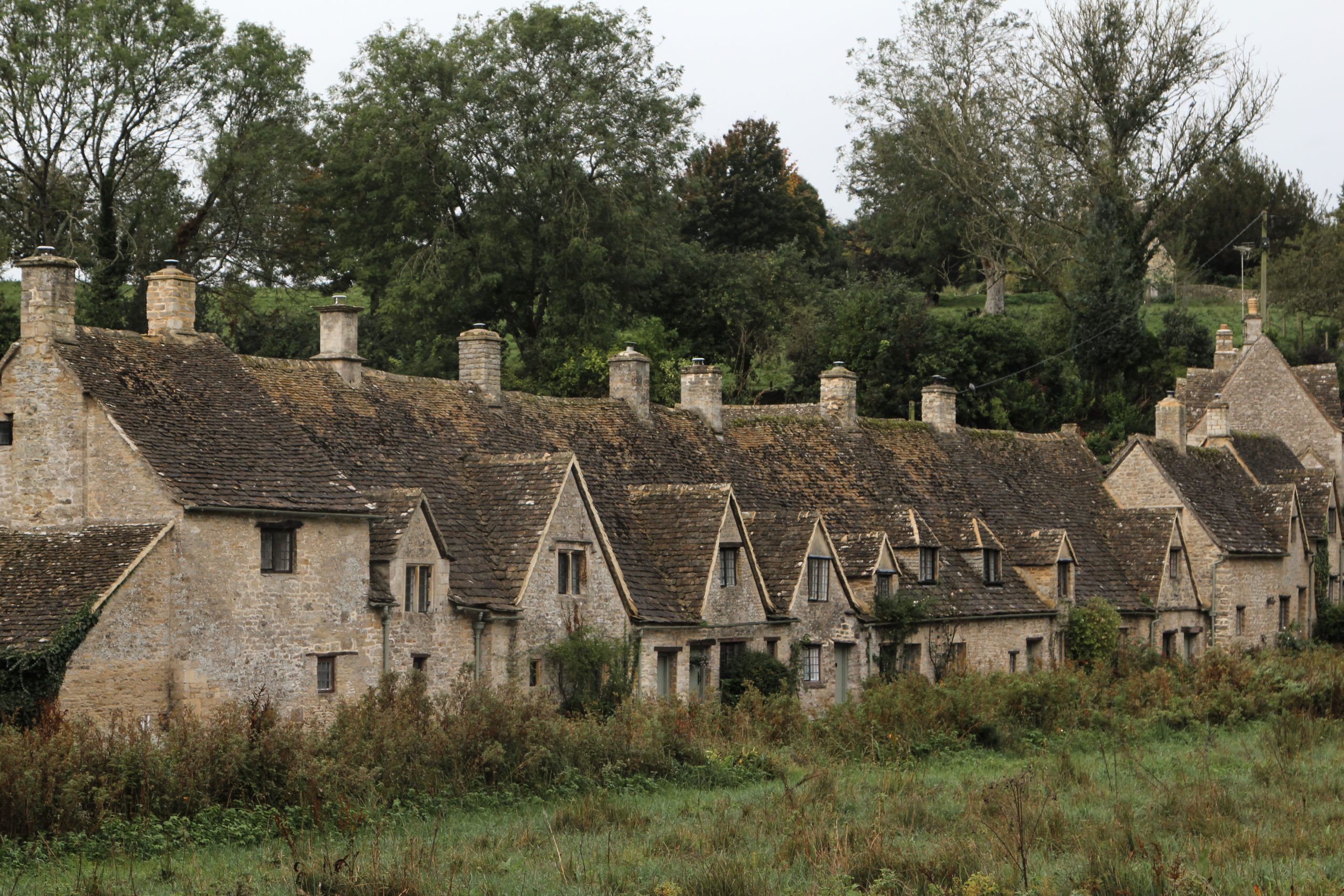
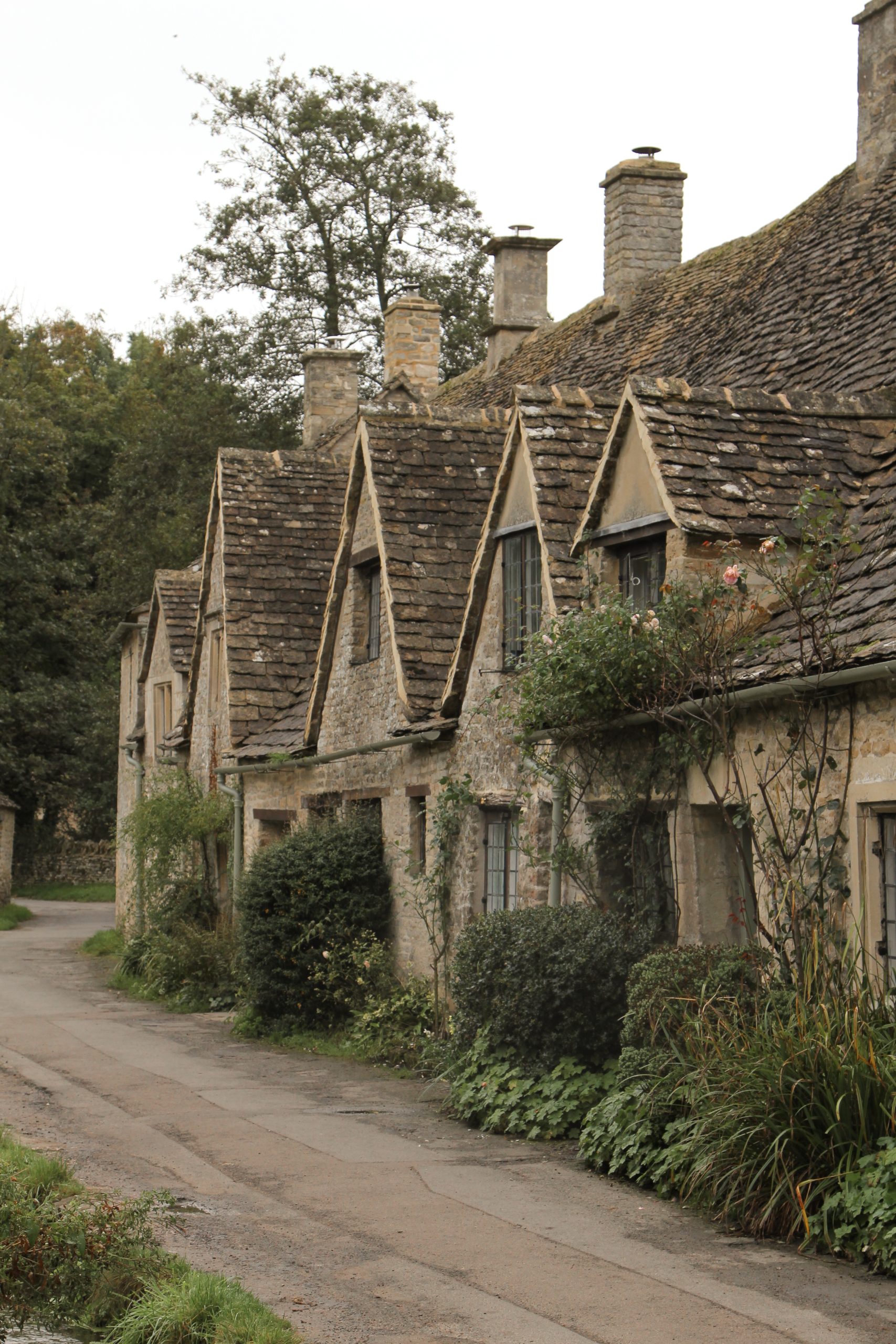
To the northeast lies Bibury, often described as one of the most beautiful villages in England. Famed for its picture-perfect Arlington Row, this idyllic village captures the essence of the Cotswolds with its historic stone cottages and tranquil river setting.
Places to visit nearby: Fairford, Eastleach, Southrop & Kelmscott Manor
Nearby, the historic town of Burford offers medieval architecture, a sloping high street, and a vibrant mix of antique shops, independent boutiques, and cosy pubs. Just outside the centre of the town, Burford Garden Company is well worth a visit for its range of plants, homewares, art, and locally sourced food in a wonderfully relaxed environment.
Places to visit nearby: Charlbury & Asthall Manor
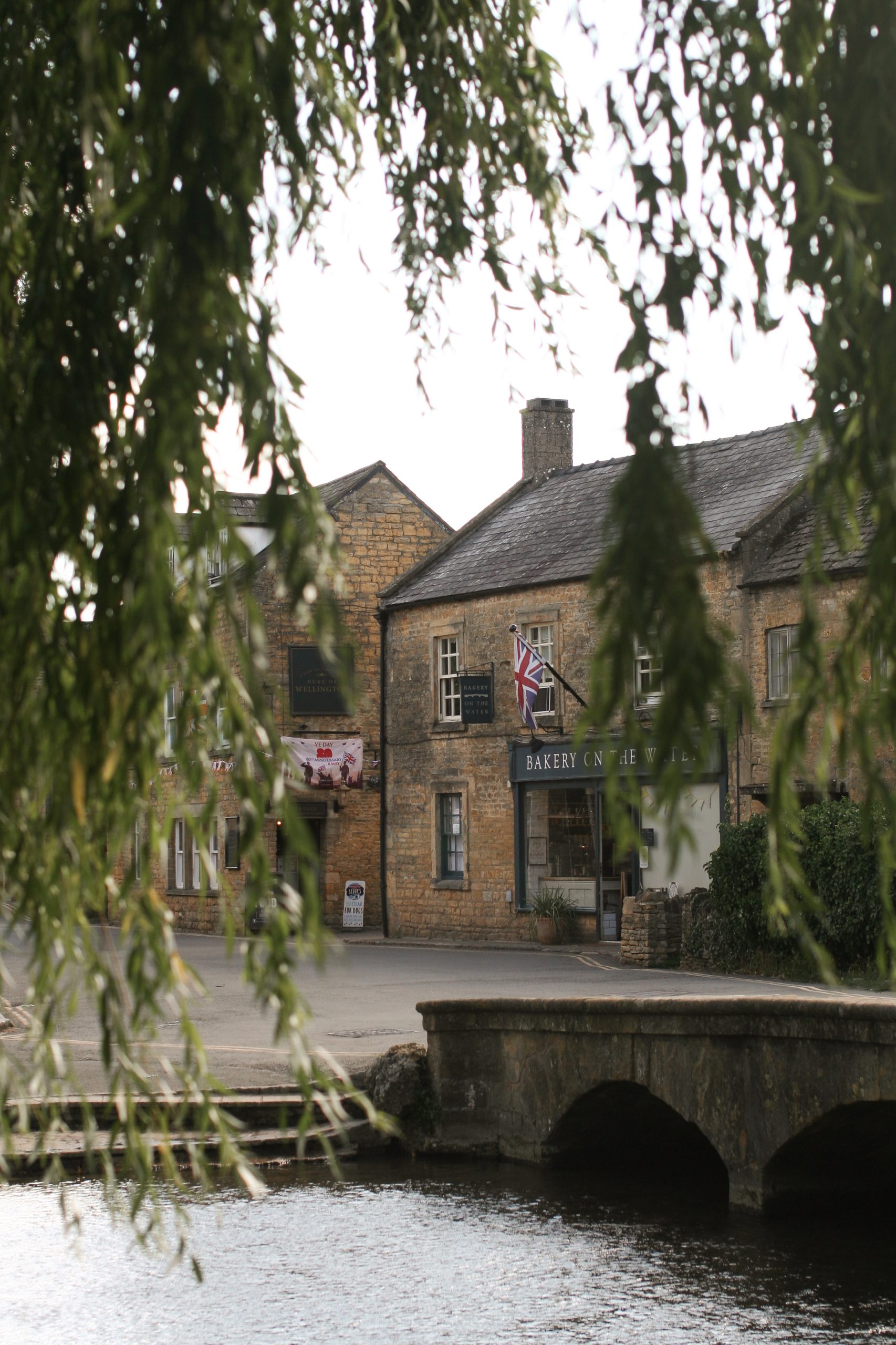
Another must-visit village is Bourton-on-the-Water, affectionately known as the Venice of the Cotswolds thanks to its graceful low bridges arching over the River Windrush. Explore the vintage car collection at the Cotswold Motoring Museum, or simply wander the riverbank, browsing quaint shops and enjoying traditional tea rooms.
Places to visit nearby: Lower Slaughter & Kingham
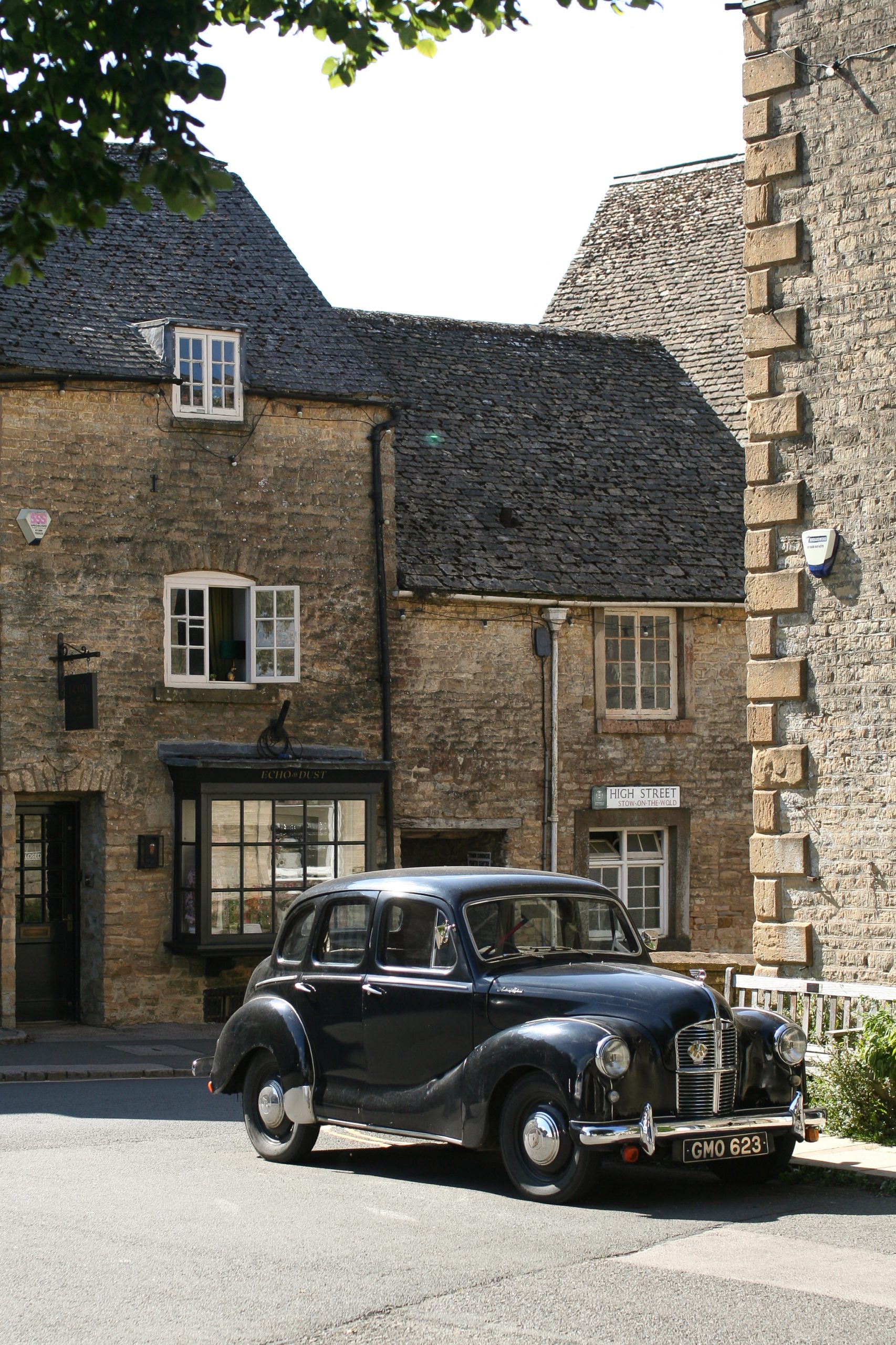
To the north, Stow-on-the-Woldcaptures the region’s timeless appeal with its honey-hued buildings, narrow medieval lanes, and a charming market square surrounded by antique shops and cafés.
Just a few miles northeast of Stow lies Moreton-in-Marsh, a lively market town which has a direct rail link from London. Its broad high street is lined with historic inns, independent shops, and cafés, while the weekly Tuesday market, one of the largest in the region, adds to its bustling charm.
Places to visit nearby: Broadway & Chipping Campden
The Cotswolds are also celebrated for delicious food and drink, with lively farmers’ markets and farm shops offering fresh, seasonal produce. Across the region, traditional English pubs and historic inns offer hearty meals alongside locally brewed ales, while acclaimed restaurants serve refined dishes that highlight the very best of Cotswolds ingredients.
You can also discover a wide range of accommodation options in the Cotswolds to suit every taste and budget. From elegant luxury hotels and boutique inns, to charming bed-and-breakfasts and countryside cottages, The Cotswolds ensures a welcoming and comfortable stay for every traveller.
Burford, Oxfordshire
Burford, Oxfordshire
Barnsley, Gloucestershire
Living in the South Cotswolds, the natural beauty and rich history come together to inspire all that we do. Whether you are seeking a peaceful getaway, a cultural adventure, or simply a chance to relax and enjoy the countryside, the Cotswolds has much to offer. We hope this guide may inspire you to visit and discover this beautiful corner of our world.
For more Cotswolds inspiration, visit our gallery on Pinterest
Share this entry:
Travel Inspiration
Stepping away from our everyday lives to travel and experience new places and spaces is not only good for the soul, but offers fresh insights and inspiration for our interiors. Home is a rich tapestry with fragments of life that are pieced together through the objects that fill it, each bound up with memories and stories behind their discovery.
No matter where our journeying takes us, there are myriad ways to weave reminisces of travel into our homes and carve out unique spaces and personal style. Ideas gathered from landscapes, architecture, museums or found objects can all inform our interiors and capture the essence of travel experiences. Inspiration need not result in grand transformations, the addition of simple ideas can enrich our homes and remind us of past adventures.
The joy of new places is the sensory experiences they bestow – new languages, sights, climate, flavours and scents. Having aspects of the experience and memory reflected in our interior, can make us smile and transport us back. Inspiration can come from anywhere – explore, hunt, gather, and take photos to capture details which can be incorporated into your home and life.
There are many beautiful countries and cultures across the world to visit and explore, although inevitably compromised by constraints of time and money. Where travel isn’t possible, inspiration for your home can also be gleaned through other sources such as film and television, books and nature. Collect ideas and pieces that move you and speak of your story and memories, whether from across the globe, or your local environment, to help create personal and unique home spaces.
Share this entry:
Stories of Place – Ile de Ré
Stories of Place is an ongoing journal series exploring the places that shape the way we think about home. Whether close to home or further afield, each story reflects on the landscapes, buildings and quiet details that continue to inspire the homes we create.
Ile de Ré is a small, enchanting island on France’s West coast, known for its authentically French, relaxed Mediterranean feel. Just twenty miles long and three miles wide, the island is a haven of tranquillity with a sunny microclimate, stunning coastline, vineyards, and a remarkable diversity of flora and fauna. Close to La Rochella airport, or less than three hours from Paris by train, Ile de Ré is easily accessible. The impressive bridge which links the island to the mainland, is the only entry point, other than by boat. If travelling by car, the island is approximately eight hours drive from the port of Calais.
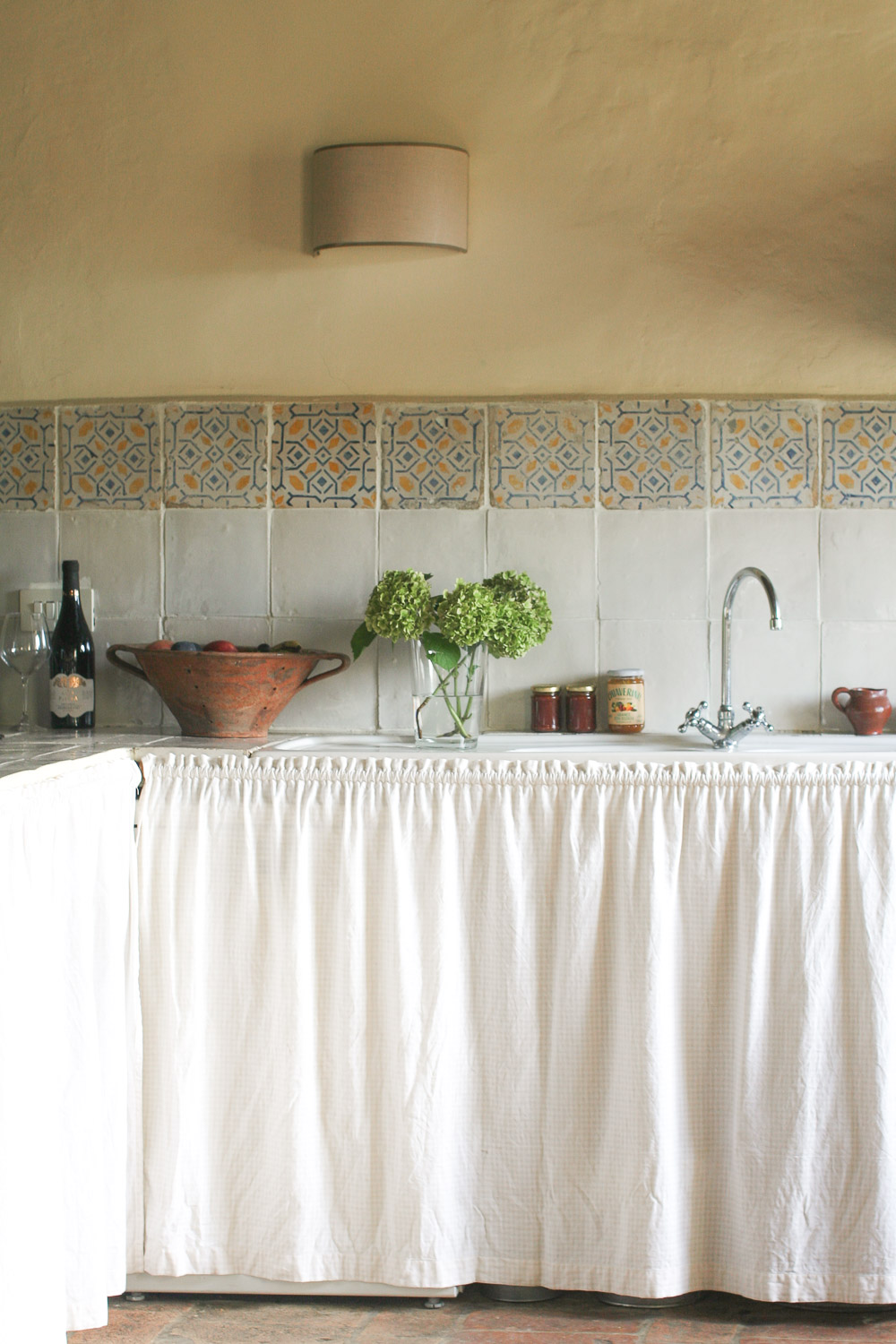
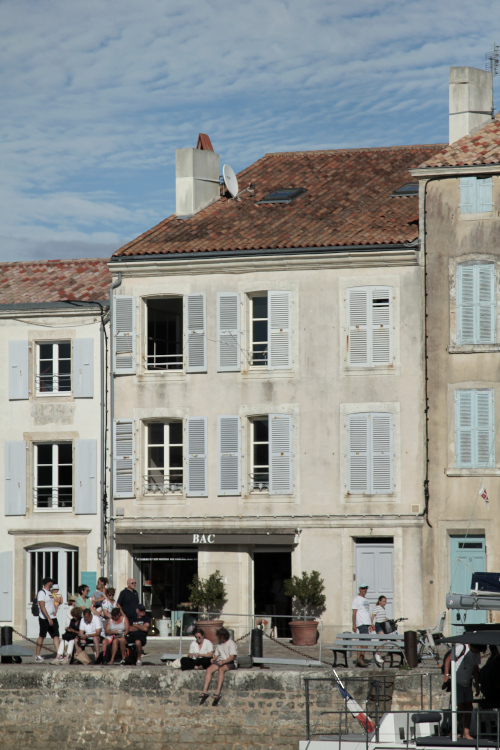
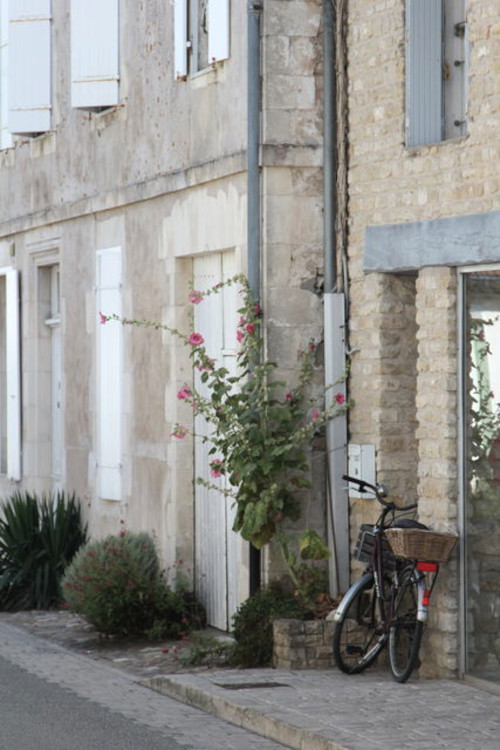
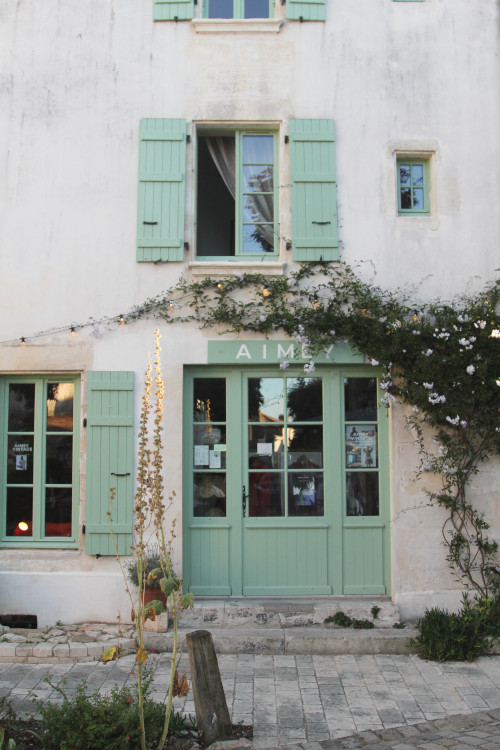
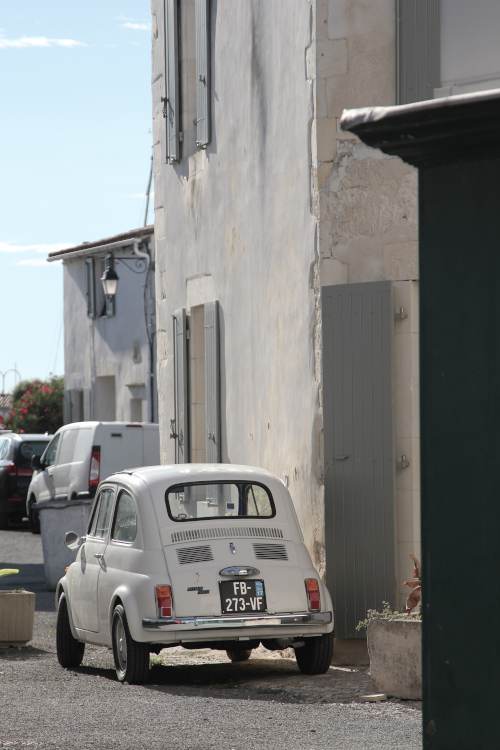
The beautiful harbour towns and villages, which make up the island are lined with whitewashed buildings with terracotta tiles, painted shutters and secret walled gardens. There is a distinct colour scheme that reflects the simple way of life and natural coastline. Ile de Ré is the epitome of understated French chic, with an elegant nonchalance and low-key sophistication. The authentic and simple charm is carefully cultivated by local councils who impose restrictive rules to preserve and protect this unique island.
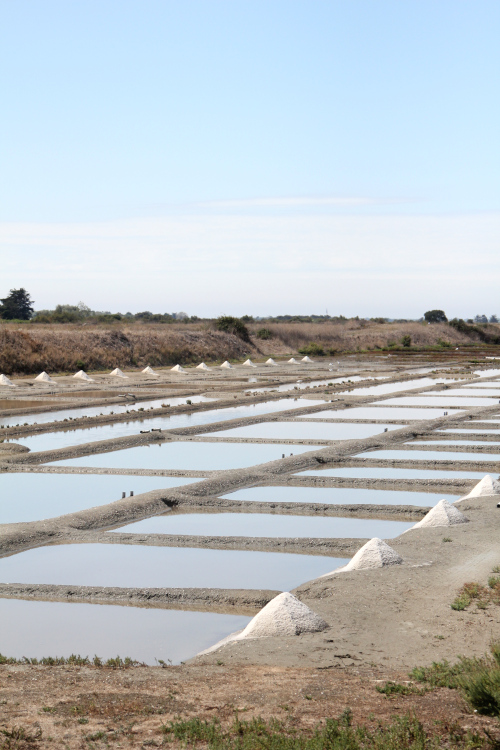
The salt marshes of Ile de Ré are one of its trademarks and are mainly to be found in its northern part. The marshes are home to a variety of plant life and are a source of nourishment for the birds that visit year-round. As you move around the island, somewhere between the sea, land and the sky, you can observe the traditional salt-making practices and appreciate the peaceful ambience it imbues.
D I S C O V E R
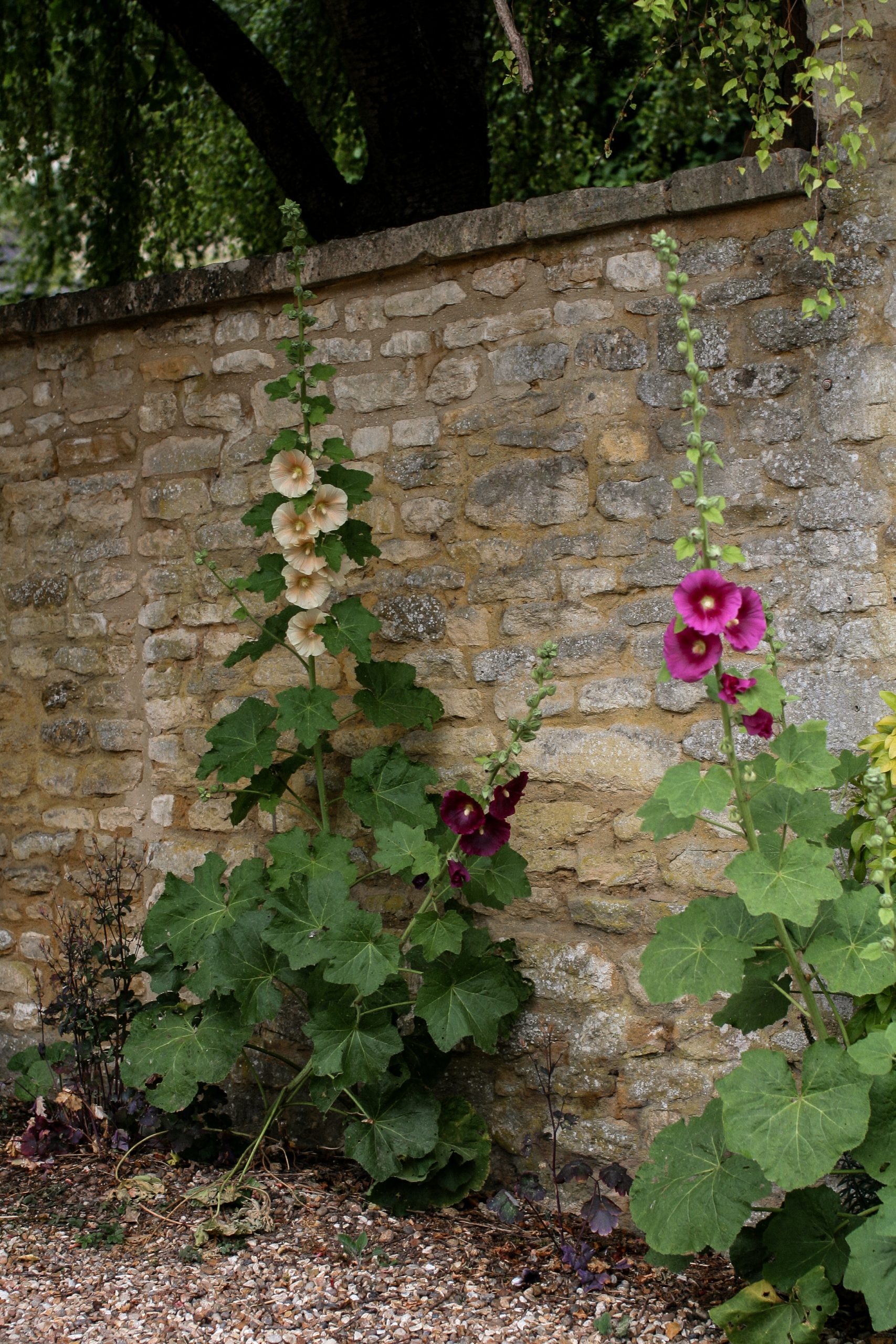
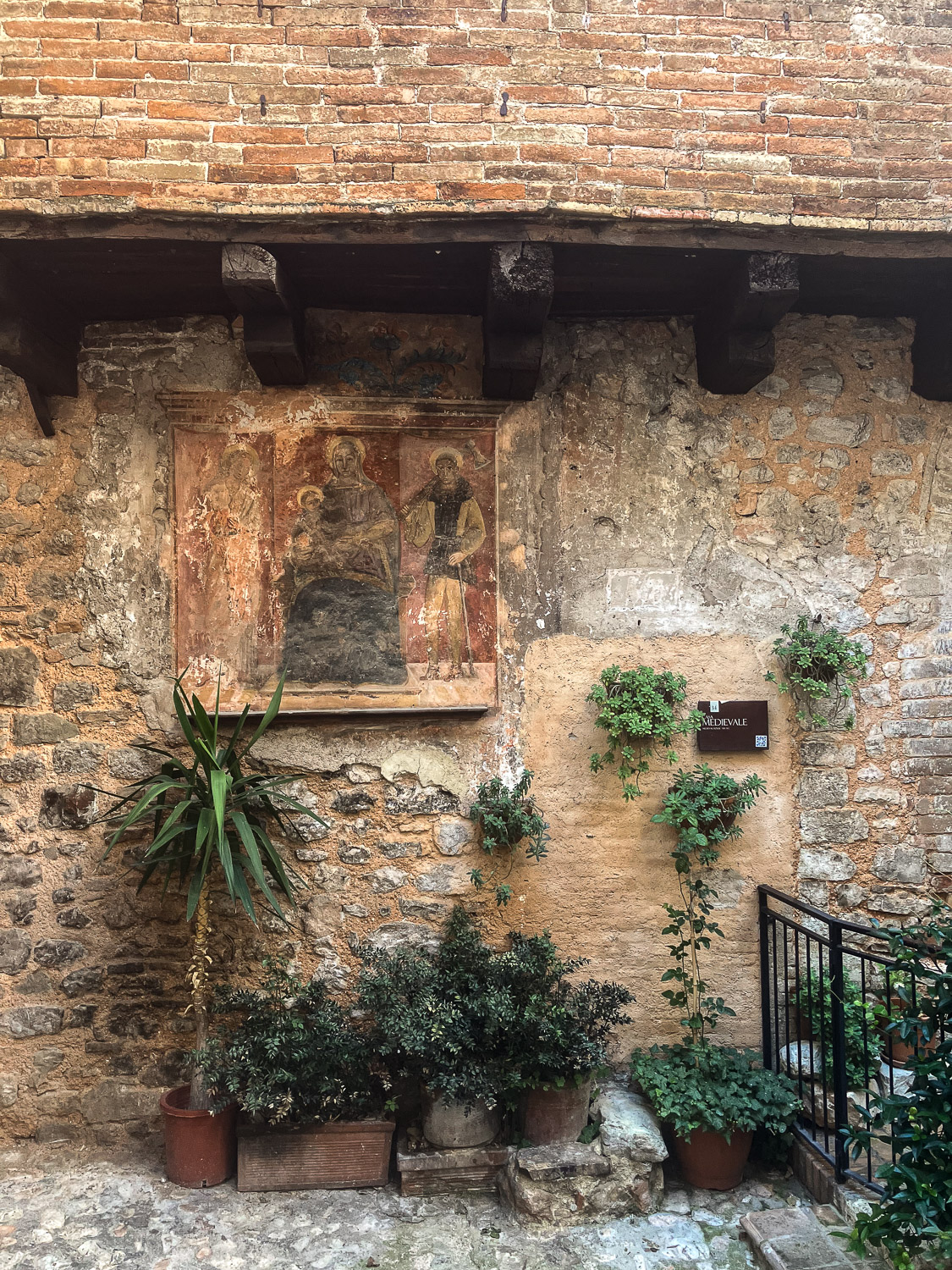
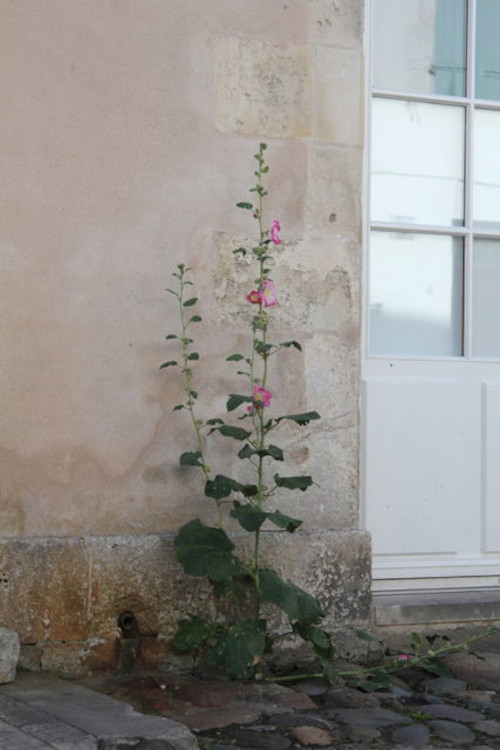
Despite its size, Ile de Ré is rooted in history, art and culture and has much to discover. Wandering the narrow, cobbled streets of the ten villages, scattered with hollyhocks, provides a unique feast of historical monuments, artisan boutiques, colourful markets and excellent restaurants. The island also has beautiful sandy beaches to explore and a variety of nautical activities are on offer to suit all tastes and abilities.
With an extensive network of cycle trails criss-crossing the island through fields and vineyards, woodland and salt marshes, cycling is undoubtedly the best way to get around the island and reconnect with nature. Bicycle shops are in most towns and can be rented for reasonable prices. There are dedicated cycle lanes alongside roads and specific routes to follow. Cycle at your own pace through open fields and leafy squares and enjoy a simpler way of life. You can hug the rugged coastline and admire the beaches or explore the salt marshes and oyster bays which can only be accessed by bike.
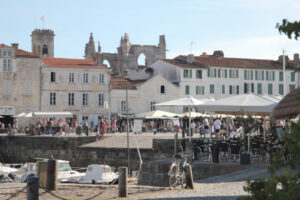
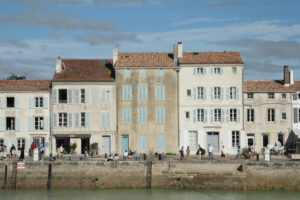
On the northern coast, lies the historic capital St-Martin-de-Ré, a World Heritage site with a quaint fishing port situated within fortressed walls, set around a gorgeous waterfront. Home to some of the best restaurants, bistros, bars, and ice cream, it is popular in the summer months but not to be missed. Climb the bell tower of the church for a panoramic view of the terracotta-roofed houses and watch the world go by or visit the donkeys grazing in striped shorts, a local tradition.
St-Martin-de-Ré
The nearby sailing resort of Ars-en-Ré offers a direct view of the Atlantic Ocean and has the largest harbour on the island. A unique landmark for sailors navigating at sea, the black and white steeple of the church built in the 15th century stands out from the horizon. Ars-en-Ré offers some unique shops such as Cote Jardin, an emporium of beautiful antiques and second-hand pieces for home and garden.
At Ile de Ré’s westernmost tip, the Phare des Baleines lighthouse, one of the highest in France which culminates at fifty-seven meters high, has been safely guiding ships around the island edge since it was built in 1854. Wind your way up hundreds of spiral steps and be rewarded with breath taking views that stretch back to mainland France and follow with a visit to the museum or picnic on the beach.
S T A Y
There is a range of accommodation available on the island to suit all budgets, from hotels and Air BnB properties, to family friendly campsites and cabins. Just a short cycle to a secluded beach, La Tour de Prisesis ideally located in La Couarde, at the centre of the island providing easy access to everything on offer. This four-star campsite set in a preserved area has good amenities including pool, shop and washing facilities and also offers bicycle hire. Similarly, Huttopia offers camping accommodation amidst forests, vineyards and the ocean. Choose from tents, chalets or wood trailers at two different sites across the island.
For those wanting a more relaxing experience, hotels such as Le Senchel in Ars-en-Ré or Hotel de Toiras in the main town of St-Martin-de-Ré offer more luxurious accommodation. Wherever you are lucky enough to stay on the island, Ile de Ré is quietly rooted in nature and affords opportunities to explore whilst embracing a simpler way of life.
We use cookies to optimise our website and our service.
Functional
Always active
The technical storage or access is strictly necessary for the legitimate purpose of enabling the use of a specific service explicitly requested by the subscriber or user, or for the sole purpose of carrying out the transmission of a communication over an electronic communications network.
Preferences
The technical storage or access is necessary for the legitimate purpose of storing preferences that are not requested by the subscriber or user.
Statistics
The technical storage or access that is used exclusively for statistical purposes.The technical storage or access that is used exclusively for anonymous statistical purposes. Without a subpoena, voluntary compliance on the part of your Internet Service Provider, or additional records from a third party, information stored or retrieved for this purpose alone cannot usually be used to identify you.
Marketing
The technical storage or access is required to create user profiles to send advertising, or to track the user on a website or across several websites for similar marketing purposes.