

A Slow Approach to Decorating
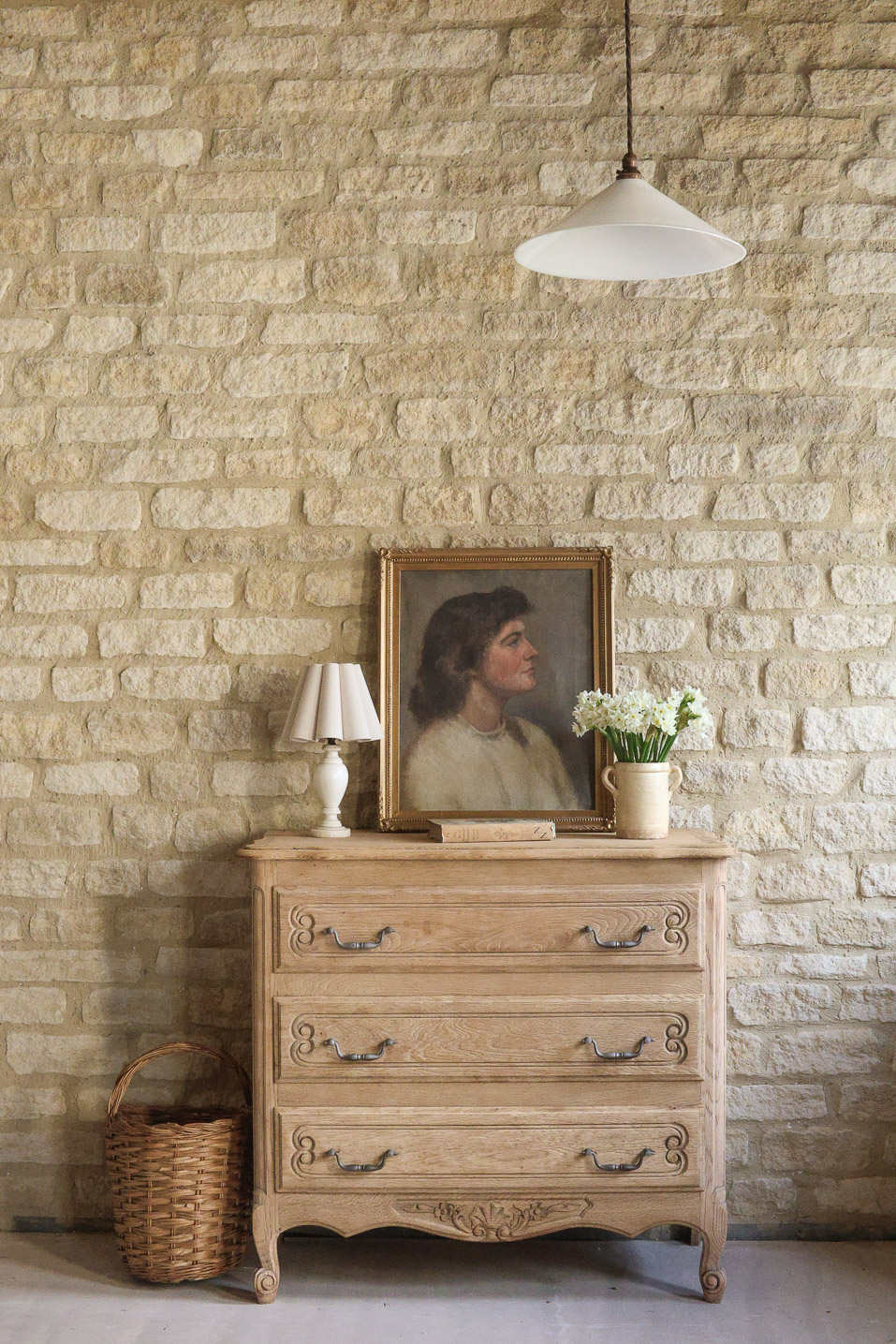
Slow decorating is an approach of taking time to let a home evolve gradually and thoughtfully, in accordance with needs, values and personal style. It is about creating a home that feels authentic and enduring. When we allow ourselves the time to decorate and layer our homes slowly and mindfully, and consider what we truly need, we can create spaces that reflect us and the life we want to unfold within them.
Principles of slow decorating:
(1.) Invest time
Take time to consider how you use your home, as well as how you want it to look and feel. Plan and gather inspiration intentionally to help hone your personal style and vision before rushing in. Having clarity, helps to increase your focus and simplifies decision making. You can then iterate and refine your spaces slowly over time as your home and life evolve. Accept that the essence of ‘slow’ means homes are never quite finished, and eliminate pressure to rush the process. Valuable things take time to unfold and if you allow your home to emerge slowly, you are more likely to end up with spaces that have greater resonance and longevity.
(2.) Repurpose & reuse
Find ways to use what you already have, taking time to repurpose things or move them around to refresh your home and create different arrangements and layouts. Slow decorating encourages incorporating antiques and buying used but quality items. These pieces add warmth and character and help to create spaces that instantly feel unique, lived in and comfortable. There is something special about creating a home with vintage and antique pieces, each object has a past, and by choosing it you can weave it into your own story.
(3.) Prioritise quality over quantity
Purchase items for your home with care and intention, opting for things that are considered, well made and beautiful, rather than being driven by trends. Purchasing mindfully and adopting the ethos of buying less but better, reduces rash decisions and purchasing mistakes. As a result, this is more cost efficient over time and treads more softly on the earth. Don’t feel the need to fill every room, sometimes the space you leave is just as important as the things you put in .
(4.) Cultivate patience
Be willing to have patience and wait for key pieces that resonate and are right for your home. When you take time to source, you can build an environment that feels cohesive and purposeful, that truly reflects you. Be prepared to look everywhere from online marketplaces to flea markets and antique shops and remember that small details make a real difference. The best interiors are those that gently gain their layers and continue to evolve naturally and slowly.
(5.) Create emotional connections
Take time to collect meaningful and personal objects such as travel mementos, art or family heirlooms which resonate, reflect your values and foster an authentic connection to your home. By weaving these items thoughtfully into your spaces, you are not just decorating, but crafting a home that holds emotional value and tells your unique story.
(6.) Make space for change
A home is not static. It needs to be flexible in how it is used, able to accommodate the changing needs, activities and stages of our lives. Rather than being designed around a fixed idea of how a home should look or be used, it can make space for life to happen, giving us room to live and breathe, move things around, gather people, work and rest. Spaces can take on different purposes over time, and objects can find new places and uses as life evolves.
The most meaningful homes never feel entirely finished. They remain open to change, growth and new experiences. A home is alive with the people who inhabit it, and its story continues to unfold through the everyday moments that take place within it.
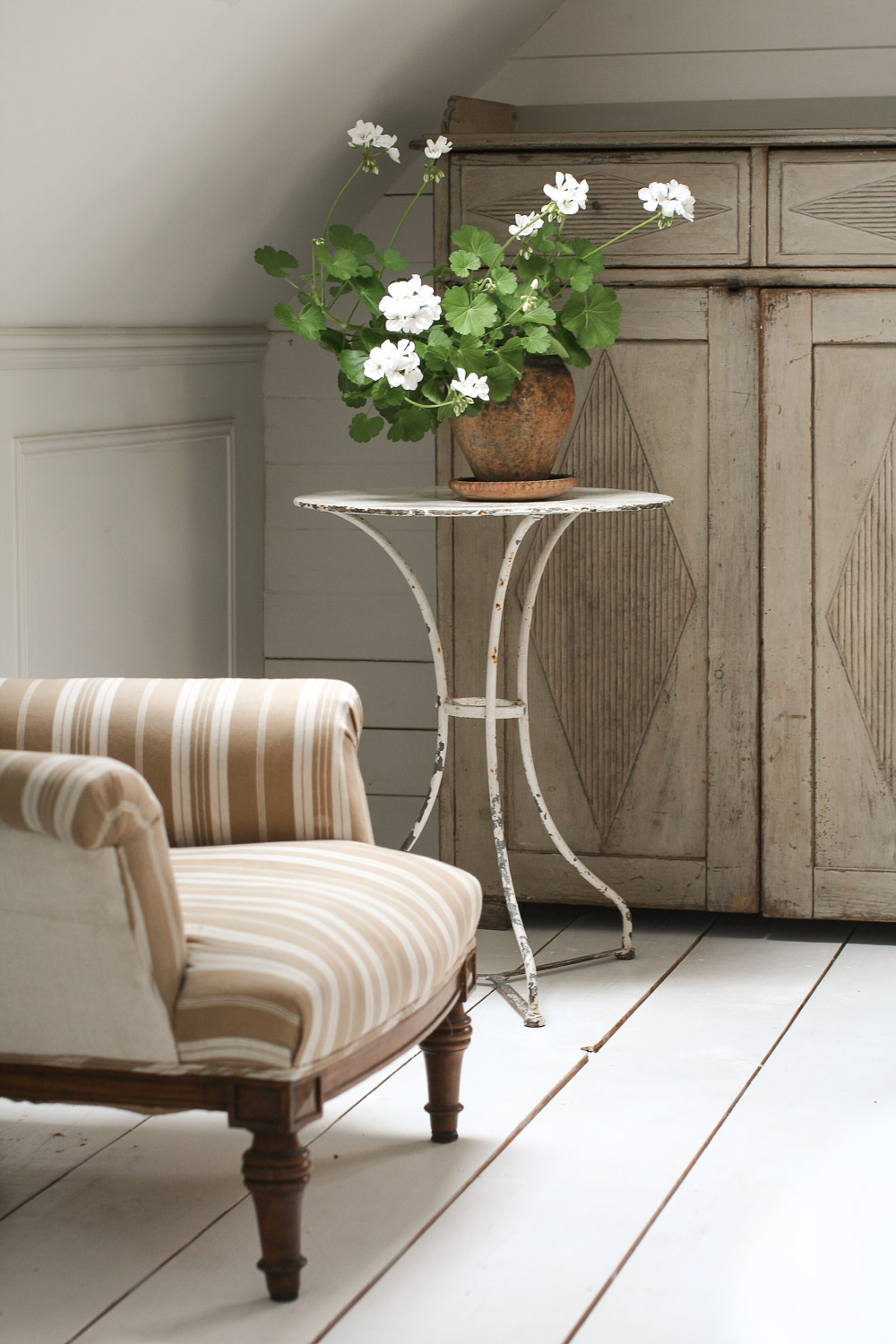


Slow decorating is ultimately about giving a home the time and space to become your own. It is about making thoughtful choices, living with what you have, allowing things to evolve and resisting pressure to have everything figured out at once. The result is not a home that is perfectly finished, but one that feels considered, personal and lived in. A home that reflects the people within it and has room for the life that happens there.
Like a garden, a home is never truly finished. It grows and changes with us, gathering memories, meaning and stories along the way.
The feature below from the April 2025 issue of Homes & Antiques magazine includes our thoughts about slow decorating.

