

The Practice of Making A Home
Beginning with Home –
The Practice of Making a Home is an ongoing journal series exploring how to create a thoughtful and enduring home. Through a collection of seasonal chapters, I share reflections from our own home as it evolves, exploring the choices, values and quiet observations that influence the way we live. These chapters are an invitation to think more deeply about home, and the belief that the most meaningful homes are created slowly, with simplicity, character and care.
For as long as I can remember, I have been drawn to old houses. Not because they were grand, but because of how they felt. Time had softened their edges. Their walls held stories, and their rooms seemed to have grown gently around the many lives lived within them. They felt comforting, inviting and settled.
We bought a small eighteenth-century farm labourer’s cottage, surrounded by open countryside on the edge of the Cotswolds. It wasn’t the picture-perfect cottage people often imagine. It was tired and neglected, damp and cold, with no central heating, dry rot and buttresses supporting the walls.
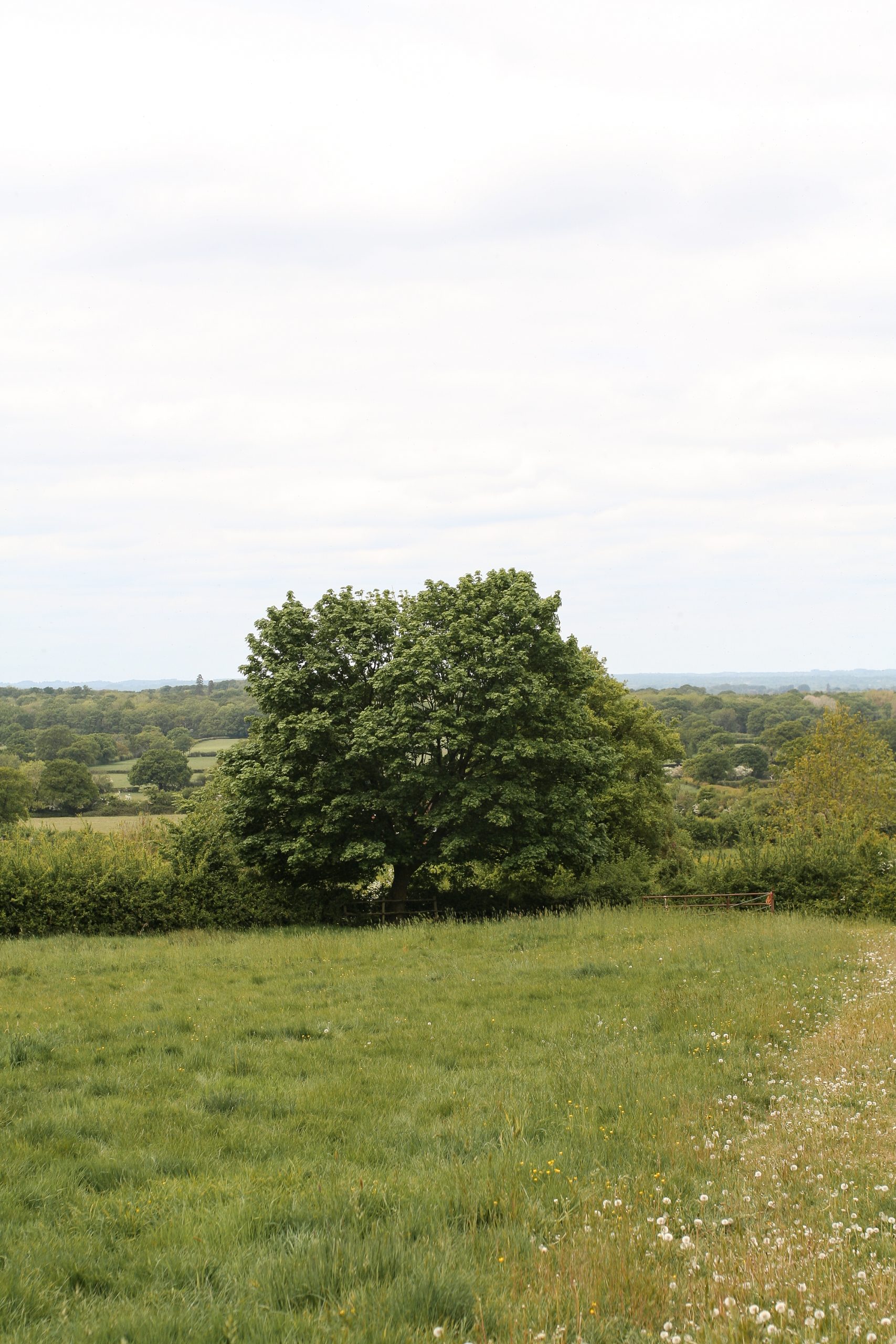
Yet the place itself felt right. Not because of the cottage, but because of everything around it. The fields stretching beyond the garden. The presence of the changing seasons. The quiet and the possibility of creating the kind of life we hoped our children would grow up in.
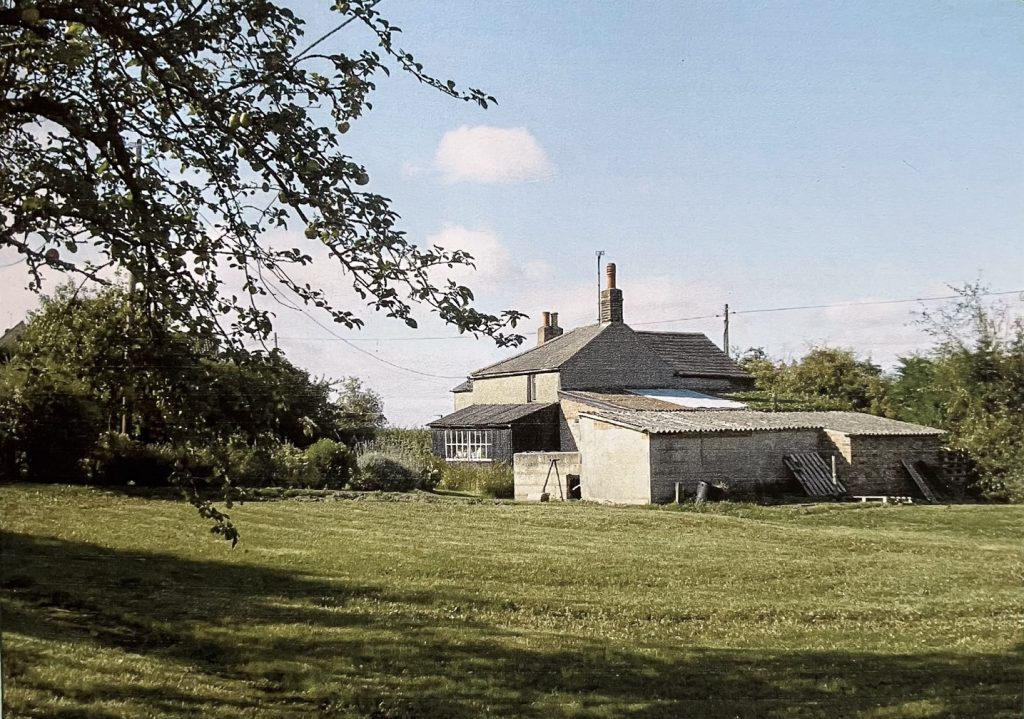
An old photograph from the sales particulars
Living here taught me something that has quietly shaped the way I think about home ever since. I still love old houses, and I know I always will. But I came to realise that the age of a house matters less than the way it feels and the life it makes possible.
The most beautiful homes are those that support and reflect the people who live within them. They bring us closer to nature, to one another, and to the quiet rhythms of everyday life. That belief guided our decision to remain here and slowly build a new home within the garden.
For someone who has always loved old houses, that decision felt unexpected. But building new never meant letting go of everything I admired about old homes. If anything, it made me pay even closer attention to them.
Our hope has been to create something that would function like a new house, while carrying the feeling of an old one. Not by recreating the past, but by considering the qualities that make older homes feel so settled and enduring; natural materials, simplicity, imperfection, character, warmth and a sense that a home has evolved over time.
Our home is rooted in its landscape; one that sits quietly within its surroundings, built with care, restraint and a respect for natural materials. A home that, over time, might earn its own sense of history.
Years have passed and progress has been slow, not only because we continue to do much of the work ourselves, but because the process has continually reminded us that the best decisions are rarely the quickest ones. We have learned to wait for reclaimed pieces, to live with unanswered questions, and to trust that character is something gathered gradually rather than achieved all at once.
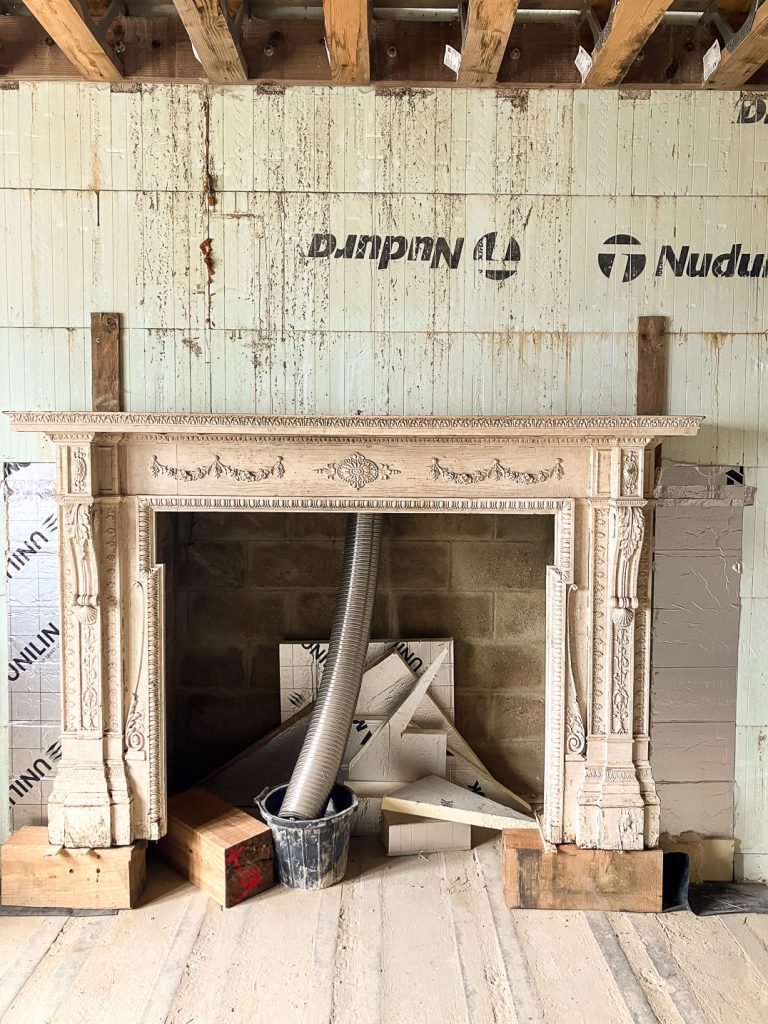
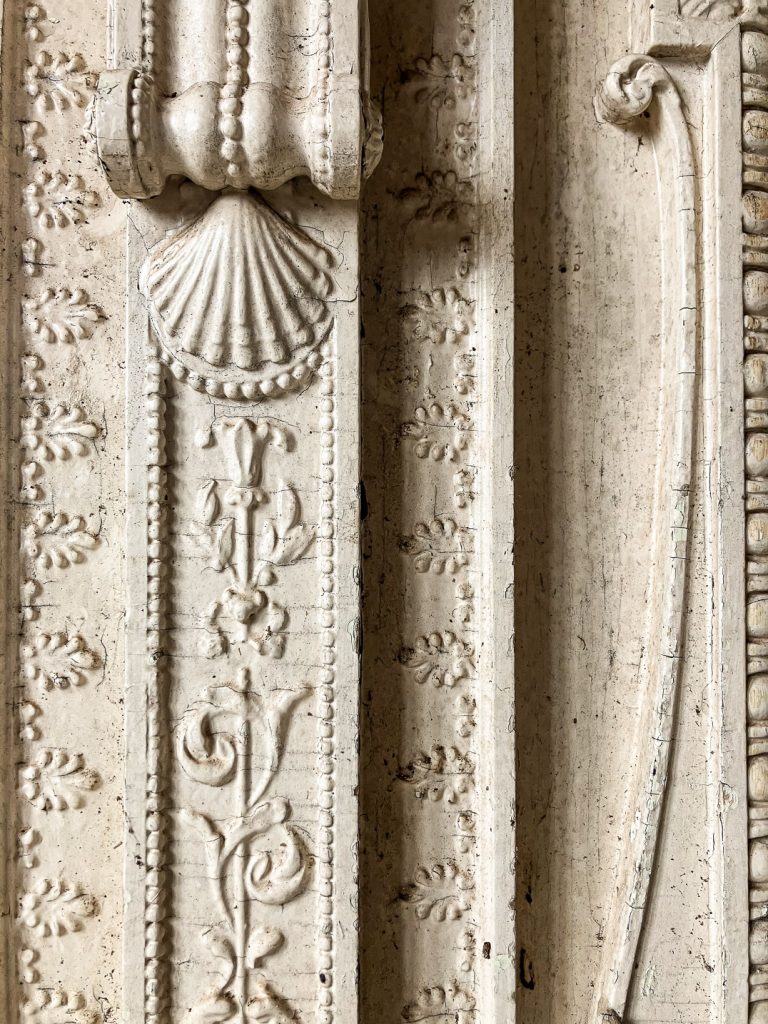
Our home is still unfinished, and I hope, in many ways, it always will be. Like a garden, it will continue to change with the seasons and with the lives lived within it. I no longer think of home as something to complete, but as something to shape, slowly over time. Perhaps that is the real practice of making a home.
It is also the thinking behind the Will & Bea Studio. I believe a home should begin with the people who live there, how they live, what they value and what they want their home to make possible. Through home consultations and considered sourcing, I help others think through their own spaces, making changes gradually and with intention rather than starting with a finished idea of how a home should look.